
By Dr. Sarah Archino, Furman University
Each year Furman University, located in South Carolina, offers a three-week May term, where students are encouraged to take experiential courses that build on their academic interests and take them in new directions. Inspired by programs bringing medical students into museums, undergraduate students have been coming to New York to focus on the skills of observation and communication since 2017.
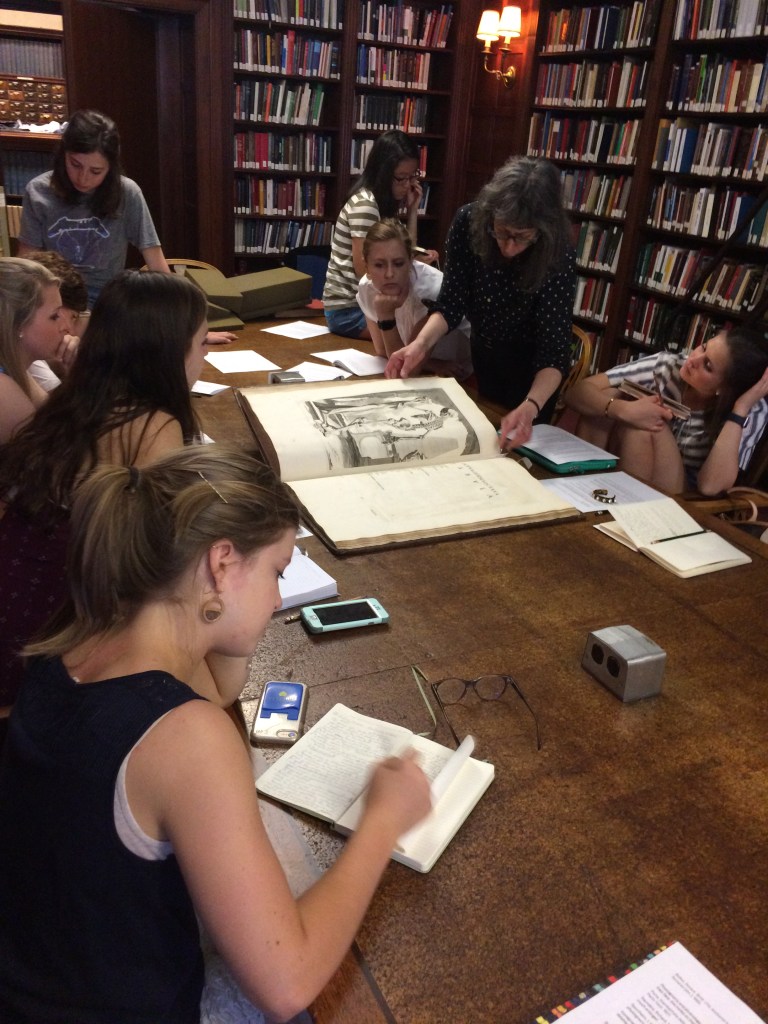
Many of the students are on track for medical careers. This course, “The Art and Science of Observation,” is designed to use art as a “rehearsal space” for interpreting complex, sometimes contradictory visual information; by talking through the processes of looking, students can become better aware of their biases, the ways they reach conclusions, and learn to be more comfortable with differences of opinion.

One of the challenges is helping students understand the constructed nature of images, especially when they seem “realistic” or “factual.” Our visits with Arlene Shaner in the Library of the New York Academy of Medicine have been instrumental in breaking down the pretense of objectivity, even in medical and scientific illustration.
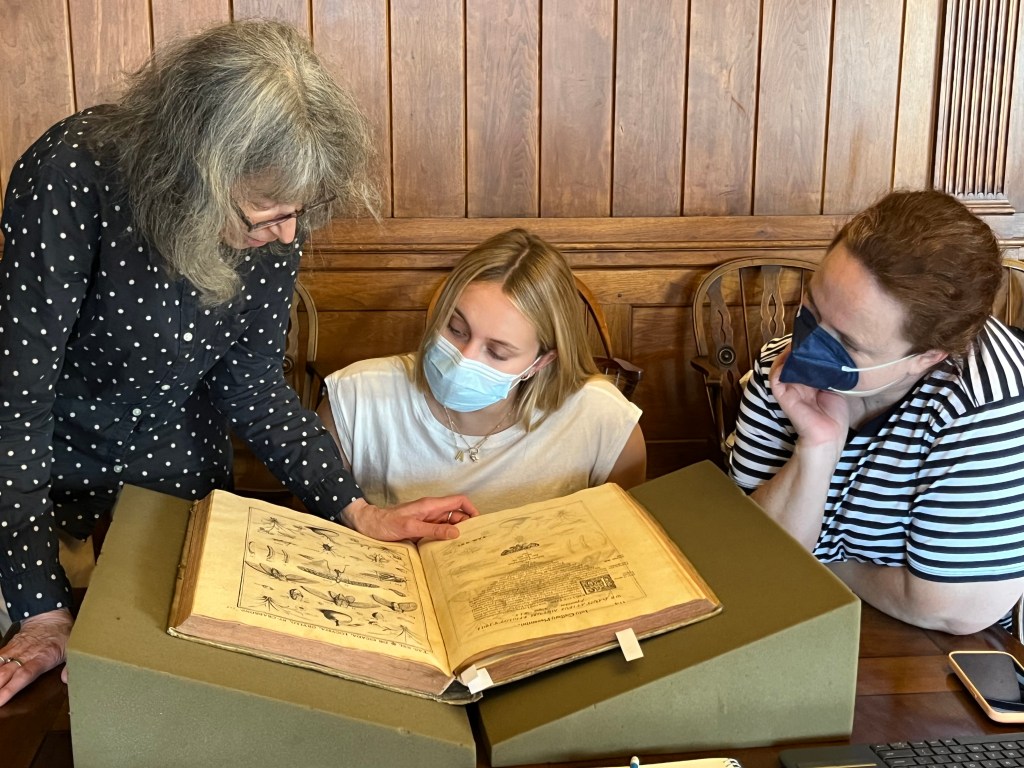
Our program is fortunate enough to visit the library three times during the May course. During the first two meetings, students trace a history of illustrated medical and scientific texts, learning under Arlene’s guidance about how print technology, art, circulation, and scientific understanding have unfolded over the centuries. Moving from Vesalius to 20th-century popular media, our students understand from first-hand experience how information has been created, copied, and circulated, especially in a pre-digital world.

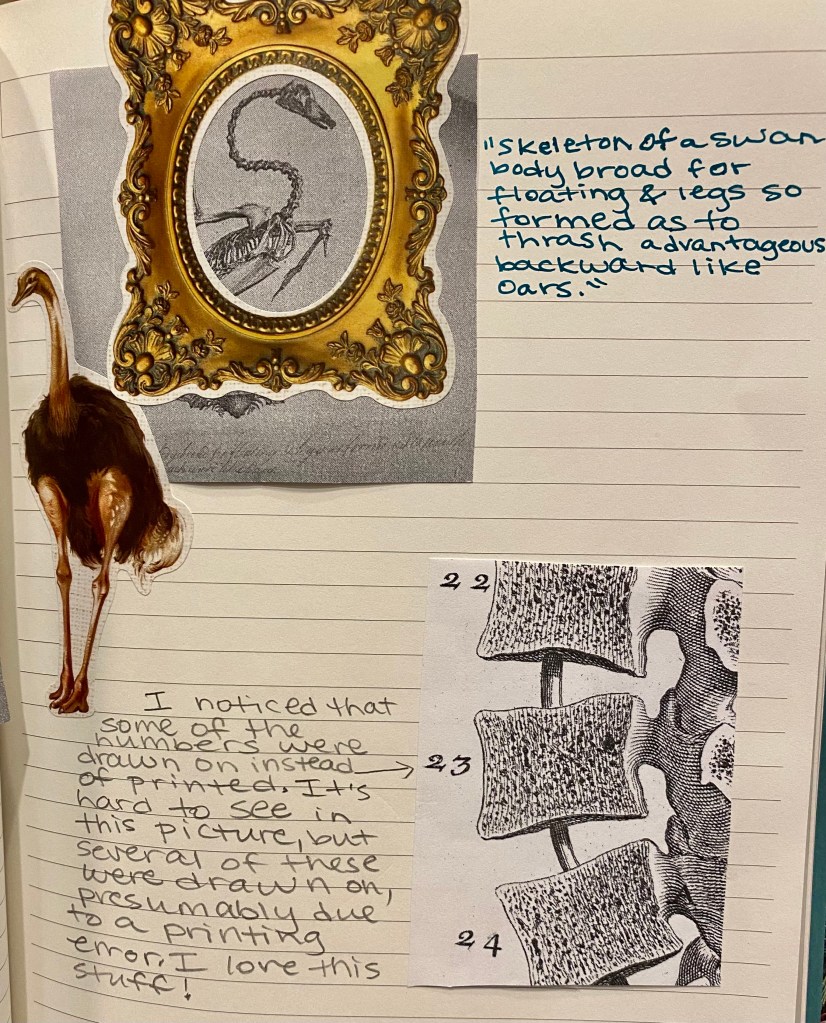
At our third meeting, students enjoy being able to work directly with books from the collection. They choose a text and then select an image – or a small set of images – to analyze. The students deconstruct the image to consider its materiality, audience, and integration with text. This helps construct a better understanding of how one book can signify a larger system of learning and intellectual history.

A few examples of student work reveal how they interpret this assignment – from those who transform their notes into a visual scrapbook (material which then found its way into a senior’s ceramics project), to analyses that consider the text’s original function and audience – be it a neurological surgeon of the 16th century or a family doctor on the 19th-century American frontier.
Our visits to the library are always a highlight of our time in New York, in no small part thanks to the wealth of resources, the accessibility of this collection, and the enthusiastic guidance and insight of Arlene Shaner. We look forward to working together in the future!

Spratt’s Obstetric Tables, with its many lift the flap images, published in 1850.
If you are interested in bringing your own class for research within our collection, please reach out to library@nyam.org.
 Books, Health and History
Early medical books serve as invaluable artifacts, offering a glimpse into the genesis of medical knowledge and practice. From the mystical remedies of ancient civilizations to the rational observations of early medical scholars, these texts provide insight into the evolution of healing traditions. As Galen, the renowned physician of antiquity, aptly stated, “The art is long, life is short, opportunity fleeting, experiment treacherous, judgment difficult.” This timeless wisdom encapsulates the enduring quest for understanding and innovation that characterizes the study of early medical literature.
What an inspiring initiative by Furman University! The experiential May term course, “The Art and Science of Observation,” beautifully combines academic rigor with real-world application, providing undergraduate students with invaluable skills for their future careers, particularly in medicine. It’s heartening to see institutions like Furman embracing innovative approaches to education that foster critical thinking and interdisciplinary learning.
Furthermore, kudos to Arlene Shaner and the New York Academy of Medicine for their invaluable contributions to the program. Their expertise and guidance in navigating the rich history of illustrated medical and scientific texts provide students with a deeper understanding of how knowledge has been constructed and disseminated over the centuries. The dedication and enthusiasm demonstrated by Shaner and the accessibility of the library’s resources undoubtedly enhance the learning experience for these students. It’s partnerships like these that truly enrich the educational journey and pave the way for future collaborations.and also , the act of Furman University is also appreciable