Color Our Collections 2024


by Anthony Murisco, Public Engagement Librarian

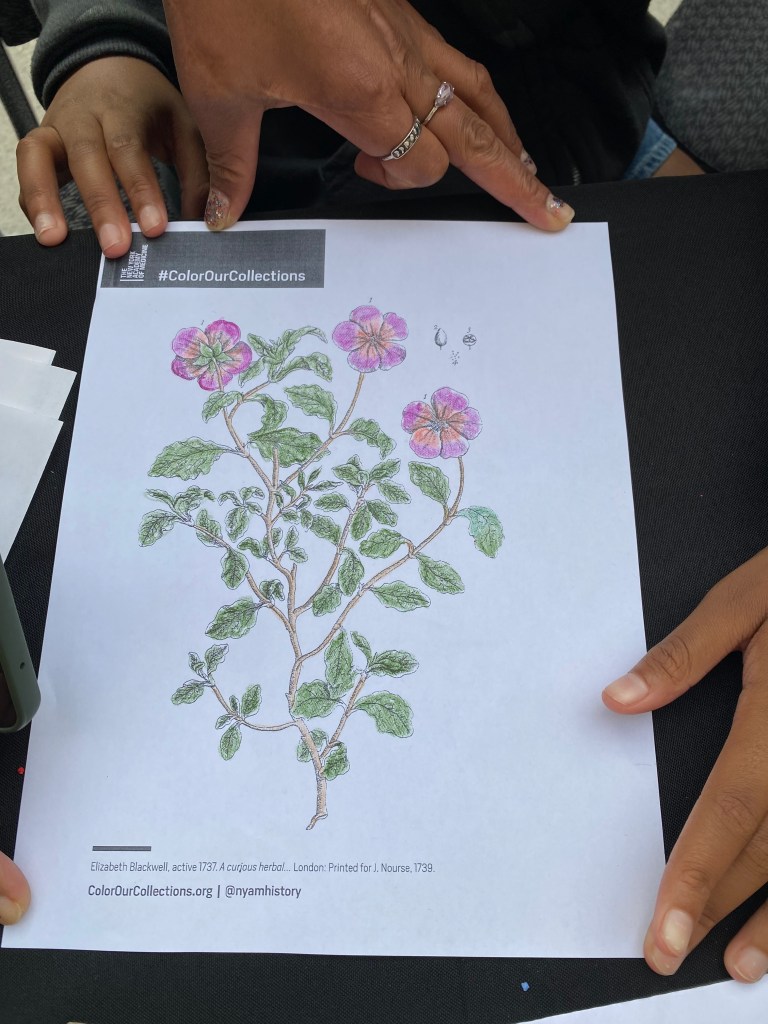
On Monday, February 5th, we kicked off the eighth annual “Color Our Collections!” This initiative asks libraries, museums, and other cultural institutions to submit coloring books based on their collections. These coloring books don’t just live on our site for that one week; you can access them whenever you want! Over the years we have collected over 800 free coloring books for everyone to enjoy.

Maybe you need an excuse to color? Well, besides just being a fun activity, coloring has been shown to provide other benefits. Research has shown that it makes your brain feel a sense of relaxation. You don’t have to be an artist to break out crayons or colored pencils. The “low stakes” nature of the activity lets you enjoy it more. There may also be the subconscious thought of nostalgia lingering as you color; this used to be something you enjoyed! These factors combine to provide therapeutic effects to coloring (though it is important to keep in mind “therapeutic” is not the same as actual therapy!).

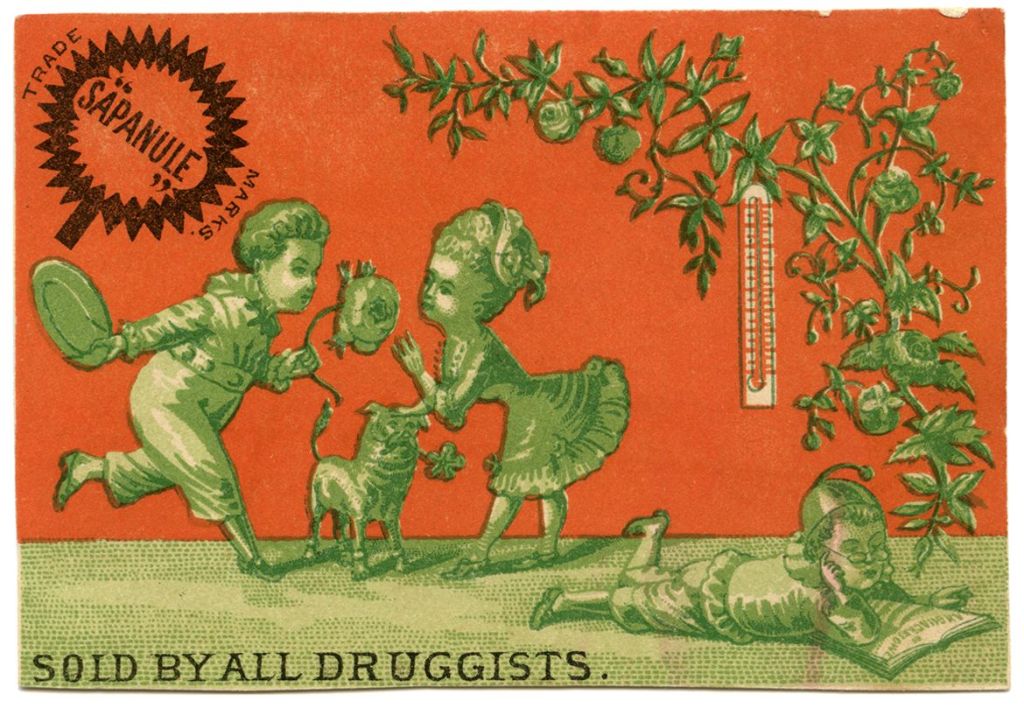
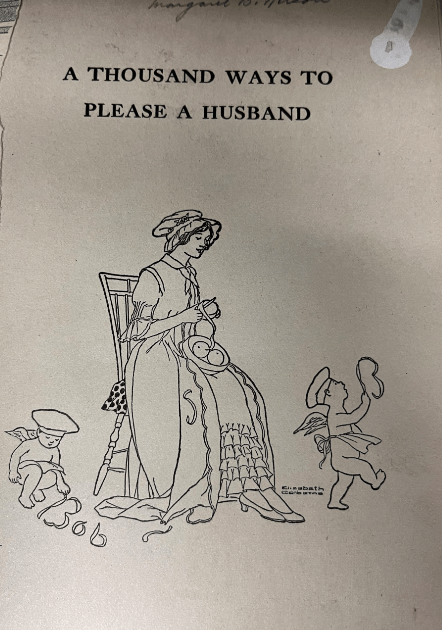
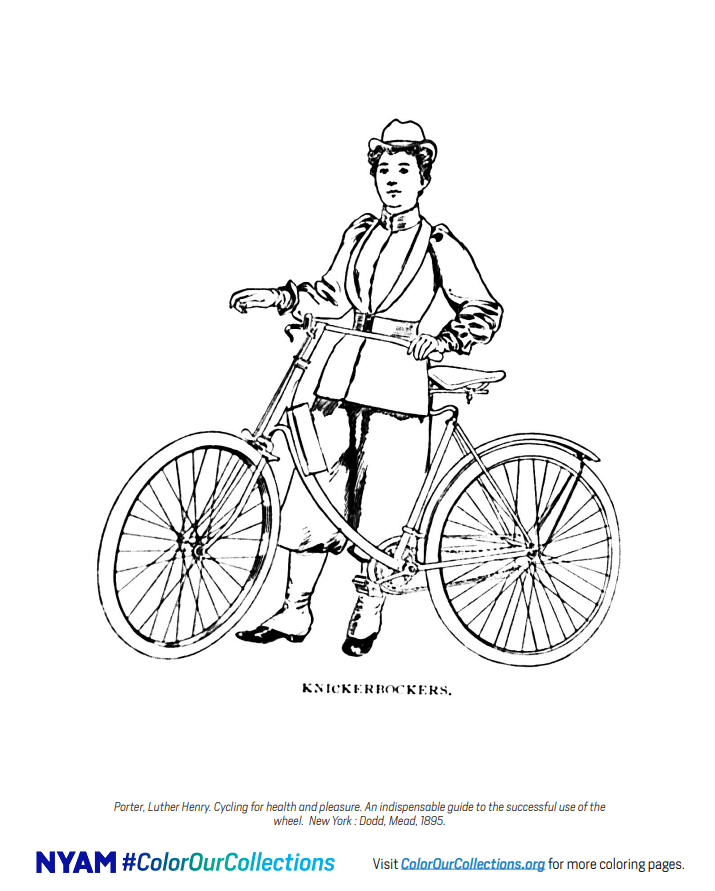
For the NYAM coloring book this year, we chose images of what it was like to be healthy in the 19th and 20th centuries. “Living Well in the 19th and 20th Century” shows activities meant to relax and help people taking care of one another, a woman ready for a bike ride, and acquaintances stopping to shoot the breeze on the grass. These are just some routes that you may take when practicing your own wellness routines.

You can use the hashtag #ColorOurCollections to show off your own work and see what others are doing.

A huge thank-you to our colleagues worldwide who have contributed coloring books to the collection. We couldn’t do it without you!

References:
Ali, Shainna. “Are Adult Coloring Books Actually Helpful?” Psychology Today, 27 Mar. 2018, http://www.psychologytoday.com/us/blog/modern-mentality/201803/are-adult-coloring-books-actually-helpful, accessed February 5th, 2024.

“3 Reasons Adult Coloring Can Actually Relax Your Brain.” Cleveland Clinic healthessentials, 26 May 2020, http://health.clevelandclinic.org/3-reasons-adult-coloring-can-actually-relax-brain, accessed February 5th, 2024.

Holiday Sweets with Pet Milk 

By Anthony Murisco, Public Engagement Librarian 
 
Despite the name, Pet Milk isn’t for your furry friends! Formerly the Helvetia Milk Condensing Company, the company broke ground in Highland, Illinois in 1885. For years, they would be the standard for canned and condensed milk. If their own words are to be believed, they may have even given whole milk a run for their money.  

Pet Milk’s messaging made them seem like the All-American brand of milk. They were there when future President Teddy Roosevelt fought alongside other soldiers in the Spanish-American War. The canned beverage was available for our troops overseas during both great wars. What was more American than providing nourishment and daily vitamins for these heroes? When they returned, seeing the brand name in their cupboard or on the store shelves could trigger strength and loyalty. Milk was the drink of choice with the average American’s dinner. It’s no wonder that the brand had garnered such popularity! 

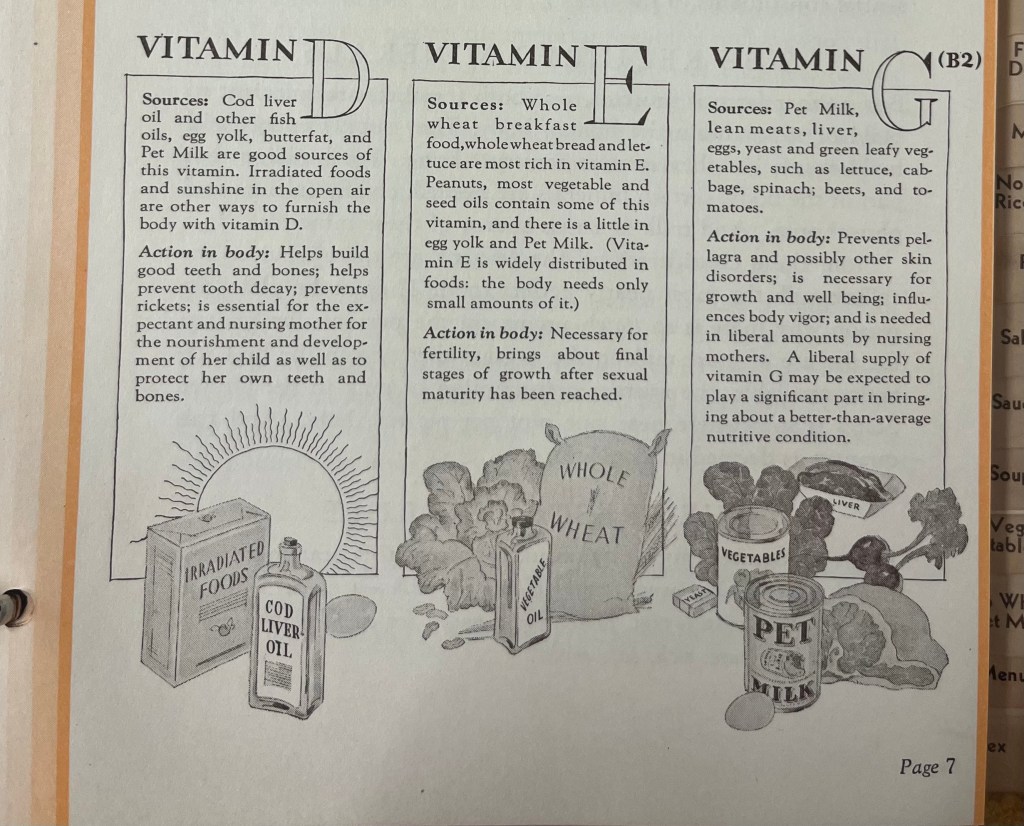
The 1932 Pet Cookbook comes after two huge American events; the end of World War I and the Great Depression. In their introduction, Pet Milk boasts of “a valuable new quality,” the addition of vitamin D. An essential vitamin, it prevents rickets in children. Despite this priceless addition, the company reminds readers—in big font—that; “the cost of Pet Milk has not been increased because of the extra sunshine vitamin D it now contains.” As Americans struggle amidst an economic downfall, the values of an American company remain true to their customers.  

The cookbook is a masterpiece of marketing and nutrition. Each recipe inside specifically calls for Pet Milk. This was done not only because they put out the recipe book, they assure you, but because their product is unlike other kinds of milk, including “ordinary whole” milk. With milk being “one of the most important of all our items of food,” or even “the most nearly perfect food,” you want to be sure you are choosing the right kind! The vitamins contained in a serving of Pet Milk span the alphabet. This isn’t the case with any other milk, they claimed. The company speaks of the importance of “irradiated” milk: using ultra-violet rays to provide an extra dose of Vitamin D.  

The company claims that typical whole cow’s milk could vary in taste, while Pet Milk’s provides uniform taste. For that reason, they believe it should be the standard to use in recipes. Don’t believe their words? Pet Milk boasts of the “melt-in-your-mouth texture” that stems from making candy with their product and tells you why. The photomicrograph on the left shows fewer numbers and larger crystals when making candy with regular milk. The image on the right shows what happens when you make candy with Pet Milk. Smaller crystals, and more of them, results in an eruption of flavor for your taste buds. The company was so confident in their science that it appeared almost verbatim two years later in a holiday- themed recipe book.  

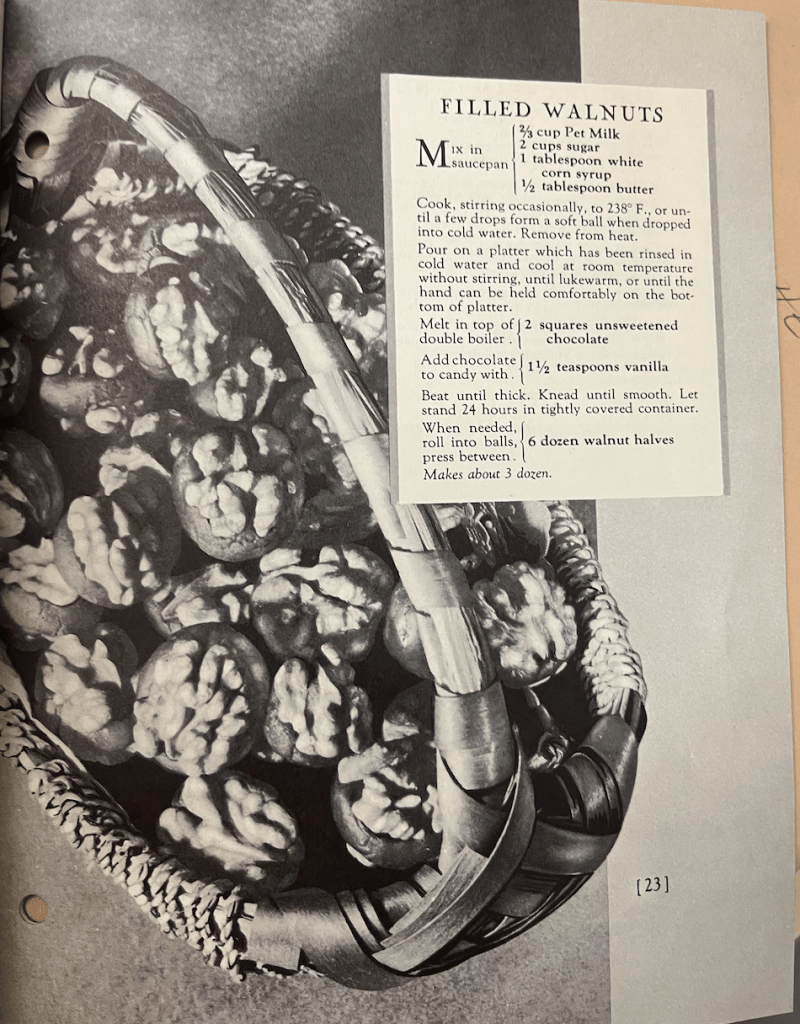
Candies may be one of the most “desirable” gifts for your “holiday entertaining.” It’s not just for the younger ones! “Sweet-toothed” adults also appreciate getting treats during the holiday season. Brand loyalty is important here, Pet says. Your family will taste the difference when you make your holiday sweets with Pet Milk. And of course, you’re providing them with all the added nutrients you’ve come to expect!  

Any of these recipes featured can be replicated today. Pet Milk may not have the panache it once had but it is still available. Other brands of condensed milk can also be substituted. We cannot confirm or deny whether the lack of “flavor crystals” will impact the taste. You might want to make a couple batches just in case….  

If you can somehow manage to save some of these delicious candies for gifting, you’ll want to dress them up a bit. Pet Milk provides some suggestions for how you’ll want to give these out. Head over to your local “ten-cent store” for various containers to put them in. You can get creative here. For an added look, “flowers” made of cellophane-wrapped candies can be draped on top.  

From all of us at the New York Academy of Medicine Library, we wish you a happy and healthy holiday season. Seasons’ eatings!  

References:  
“Our History,” PET Milk, https://www.petmilk.com/history, accessed December 15, 2023. 

Pet Milk Company. Candies. St. Louis, Mo.: Pet Milk Co., 1934. 
 
Pet Milk Company. The Pet cookbook: 700 cost-saving recipes for better food / tested and approved by Good Housekeeping Institute. St. Louis, Mo.: Pet Milk Co., 1932.  

The Healing Power of Art and Community: Viewing the AIDS Quilt at 36 

By Paul Theerman, Director 

The first panel of the AIDS quilt was put together in 1987—this year the Quilt is 36 years old! 

Image courtesy of National AIDS Memorial.

The AIDS Quilt was the brainchild of gay activist Cleve Jones. A protégé of Harvey Milk, the San Francisco city supervisor murdered in 1978, Jones honored Milk’s life and service with candlelight marches through the city. For the 1985 march he saw the ravages that AIDS was making in the gay community and asked that marchers write the names of friends lost to AIDS on posters. Placed on a wall, the posters resembled a quilt; by 1987 the names had been captured in fabric, a traditional way of memorializing people and events. The NAMES Project AIDS Memorial Quilt was born.  

Cleve Jones, activist and founder of the quilt, in front of a panel. Image taken from Wikipedia.

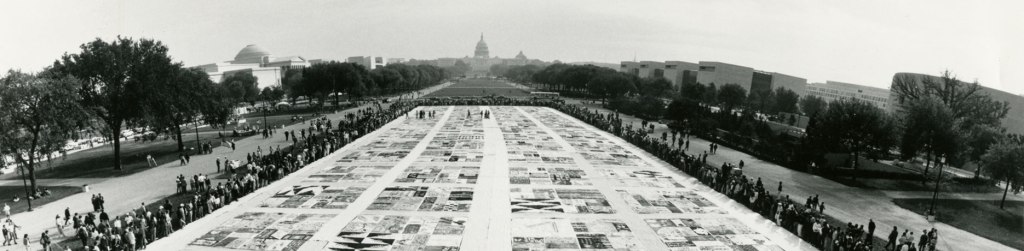
The quilt was first displayed on the National Mall in Washington, DC, on October 11, 1987, and contained 1,920 names—a dramatic demonstration of the terrible effects of the disease, only a few years after it came to public notice. At the quilt’s October 1996 display, it covered the entire Mall and was the last time that the whole quilt could be displayed at once. In the years since the quilt began, it has been exhibited throughout the world, often in connection with World AIDS Day on December 1. Today the quilt contains almost 50,000 panels, representing 110,000 individuals. The National AIDS Memorial in San Francisco is responsible for the quilt, mounts special efforts to address the presence of HIV/AIDS in the Black and Native American communities, and shares the quilt online

An image of the quilt being displayed in Washington, DC around 1987. Image taken from National AIDS Memorial. 
Advertising the digitization of the quilt from National Aids Memorial, as per their website.

This year, the New York Academy of Medicine is proud to host a portion of the AIDS quilt for World AIDS Day on December 1. We’ll reveal the quilt at our Celebration of the Library on November 29 and exhibit it in the Academy Building throughout December. We hope you can join us to view this sober but also hopeful reminder of how disease devastates communities, and how communities respond, through art, with remembrance and resilience. 

A panel from the AIDS quilt at the National Building Museum used as part of Wikimedia Commons.

_______ 

References  

“The History of the Quilt,” The National AIDS Memorial, https://www.aidsmemorial.org/quilt-history,  accessed November 20, 2023. 

The Art of Anatomy with the Art Students League

By Arlene Shaner, Historical Collections Librarian

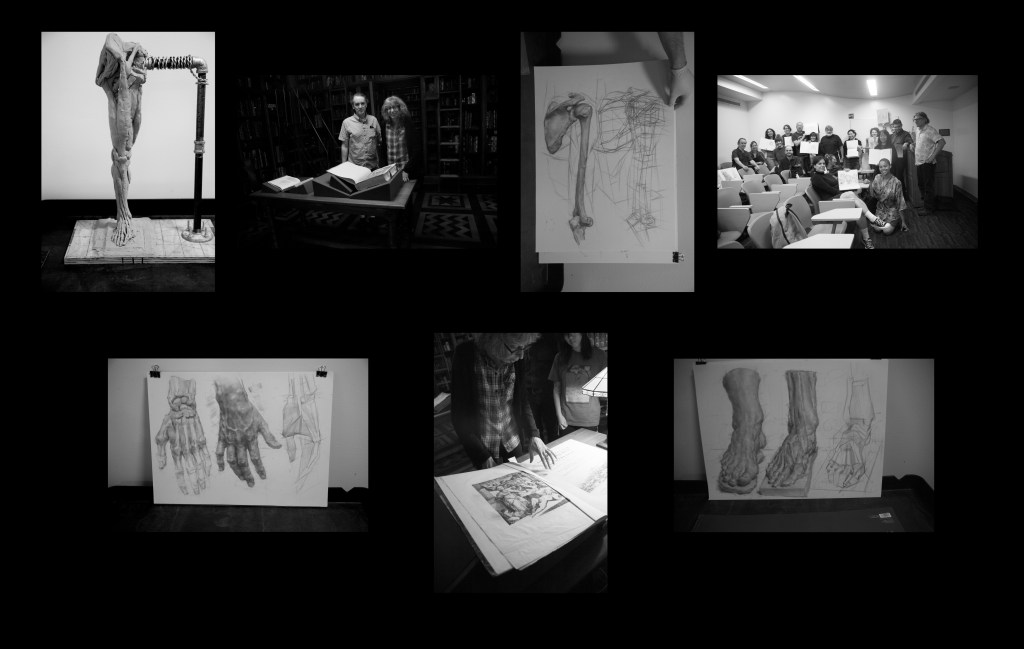
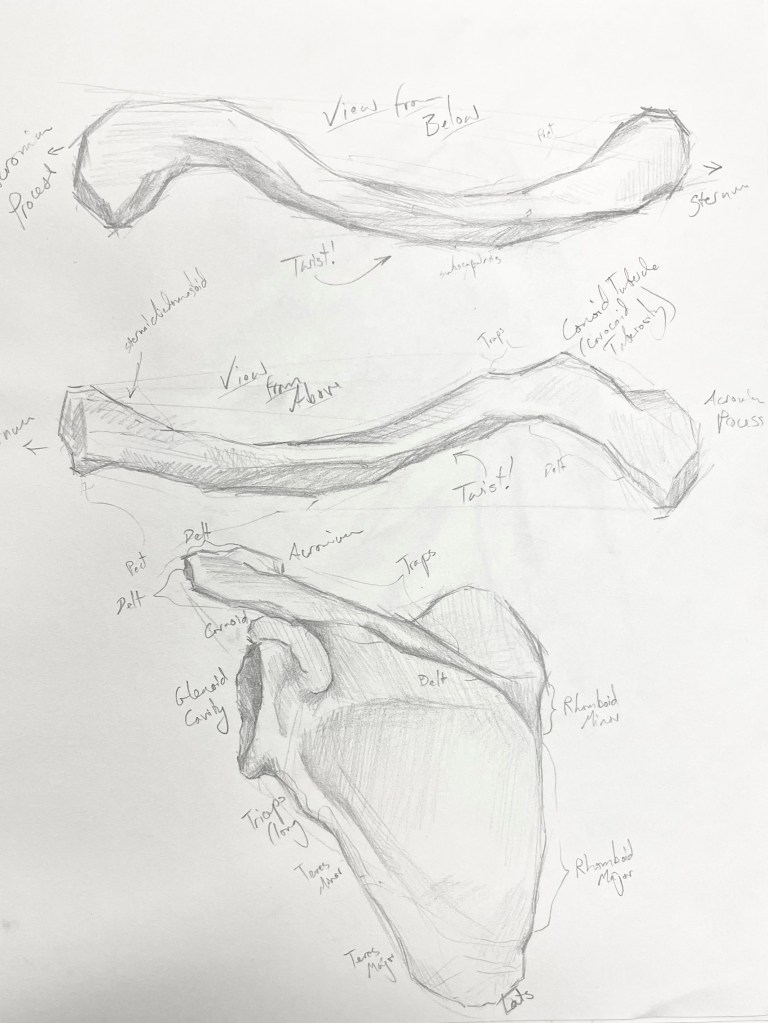
In July 2023, artist and teacher Dan Thompson brought a group of students to the Library’s Drs. Barry and Bobbi Coller Rare Book Reading Room. The students were here in New York for a week-long workshop organized by the Art Students League, “Musculoskeletal Gross Anatomy for the Figurative Artist.” We looked at anatomical atlases dating from the early 16th through the mid-20th centuries. Viewing items from our collection—like the first two images here—and engaging with the students made up the first day of the workshop. The balance took place in the Weill Cornell Medicine anatomy lab, where students worked directly with cadavers.

From Nouveau recueil d’ostéologie et de myologie…, 1779, by Jacques Gamelin

As the course description explains, “This course presents the study of anatomy as a convergence between anatomical and structural drawing. Motivated students of representational art will have unparalleled opportunities for developing detailed anatomical knowledge through their work in Cornell College of Medicine’s anatomy lab, where they will explore the complexities of the body through the study of prosections and cadavers. Prosections are specially prepared human anatomical specimens, wrapped in a damp preservative, as well as plastinated specimens, which allow for the study of deeper and more isolated anatomical structure. Through laboratory drawing, participating students will become more familiar with the manner of interlocking deeper forms—forms which are not typically clear on anatomical models (due to the haphazard ways that art school skeletons are wired together). Ultimately, students will work towards achieving greater anatomical clarity and validity in their drawing studies, which will be applied to creating higher quality figurative work in the visual arts, from a finer appreciation of human construction.”

From Anatomie du gladiateur combattant…, 1812, Jean-Galbert Salvage

Dan teaches at the New York Academy of Art and I have hosted Dan’s New York Academy of Art students here for several years; I first hosted his workshop for the Art Students League in the summer of 2022. This year Dan invited me to visit Weill Cornell’s anatomy lab with the workshop class so that I could gain a deeper understanding of how he teaches with human specimens and watch students make their own drawings and sculptures from cadavers, prosections, and plastinated specimens. Being in the anatomy lab was, for me, a transformative experience, as I had never had the opportunity to see actual cadavers and specimens and think about their relationship to images from historical texts that I share with classes when they visit. 

Workshop participant Karina Fuhrman shared images from the visit to the rare book room. The drawings were done by Dan Thompson and the sculpture was done by Karina during her time in the dissection lab.

After the class had ended, I asked if the students would be willing to send their work to me so that we could share it with a broader audience. Many sent images, and it is a privilege to be able to show some of those here.

Artist: Alan Lee
Artist: Anna Charuvastra
Artist: Chalice Mitchell
Artist: Eva Avenue
Artist: Jae Park
Artist: Kristin duCharme
Artist: Renee Wang

Classes from many local institutions regularly visit the rare book room to engage with materials from our collections. Dr. Evelyn Rynkiewicz, who teaches at FIT, has brought her class “Disease Ecology in a Changing World” more than once. After their 2022 visit, she wrote a blog post about the experience, which you can find here.   
 
If you are interested in bringing your class to the New York Academy of Medicine Library, please reach out to ashaner@nyam.org.

A Summer Script for Relaxation

by Anthony Murisco, Public Engagement Librarian

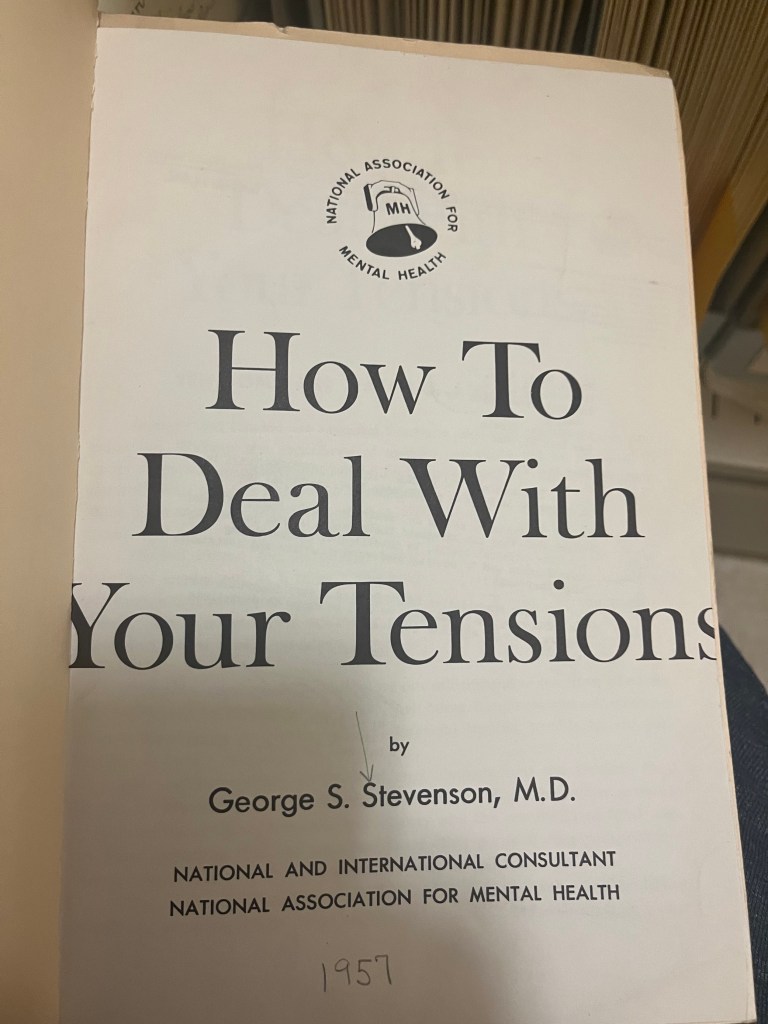
Relaxation is just what the doctor ordered! Specifically, Dr. George S. Stevenson of the National and International Association for Mental Health. In his book, How to Deal with Your Tensions (1957), he says that “anxiety and tension” are essential parts of being alive. If we did not experience these feelings, we wouldn’t be equipped to manage the high or low-intensity situations we experience day to day.  It is indeed an anxious time. We face threats such as climate change and the spread of misinformation. Writing in 1957, Dr. Stevenson spoke of real high tensions his society faced, “While it is true that we live today under pressure of intense competition, economic uncertainty, and the possibility of war…” Stevenson continued, “our ancestors faced other perils of equal magnitude.” It is important to realize each generation has its own struggles. 

The title page of How To Deal With Your Tensions by George S. Stevenson, MD. It carries the seal of approval from the National Association for Mental Health. The emblem for that is a large bell with MH inscribed on it.

Dr. Stevenson produced eleven tenets for dealing with our feelings. These range from “Talk It Out” to “Shun the ‘Superman’ Urge’ to “Give the Other Fellow A Break.” We know these ideas but hearing them prescribed feels different.

One of Stevenson's tips. This says "7. Shun the "Superman" Urge" and features a balding man with glasses and a pipe wearing a costume similar to Superman. His hands are at his sides in classic Superman fashion.

The two that we want to focus on are #2, “Escape for a While,” and #11, “Schedule Your Recreation.” His ideas of escape are not necessarily jetting off to an island vacation! You can find escape by “[losing] yourself in a movie or a book or a game.” Even a “brief trip or change of scene” can make you feel relaxed. Public parks are beautiful places to go for a stroll. 

Scheduling recreation is sometimes hard—especially for an adult. When  we are younger, we get scheduled vacation. The summer is ours! As adults, we have more responsibilities. As Dr. Stevenson mentioned, we don’t have to schedule a week-long trip! We can buy tickets in advance to the latest blockbuster or art-house film. We can schedule an hour or two before bed to transport ourselves with the help of a book. 

Another of Stevenson's steps is "11. Schedule your recreation." This image features a woman making a ship in a bottle. She stands next to an array of tools while she places a tiny tool into the bottle. It looks as though she has almost finished the project.

This summer we asked, “How are you recharging?” We want to hear what recreation and relaxation you have been taking part in. Dr. Stevenson has spoken of the benefits but so have others. 

In 1924, Joseph Ralph, a psychologist and psychoanalyst, declared that he had found the fountain of youth. It was not in some unobtainable secret cave, and he was not going to keep it to himself. The secret to still being young was electronic relaxation, a method of inducing tension.

The title page of "The Man Who Stopped Growing Old." This features a portrait of the subject, Jason Ralph. It identifies him as well as his profession of psychologist and psycho-analyst.

Ralph declared that the secret to eternal youth lived in the cell’s protoplasm. Through wear and tear, the protoplasm becomes weak, causing us to age. The agent responsible was not our physicality but instead our mental conflicts. Our intense emotional reactions cause the protoplasm inside the cells to harden. If hardened, they can no longer provide us with the energy we need. He deduced that this is why we acted “older.”  By creating tension, Ralph believed the protoplasm was being stretched and worked out like a muscle.

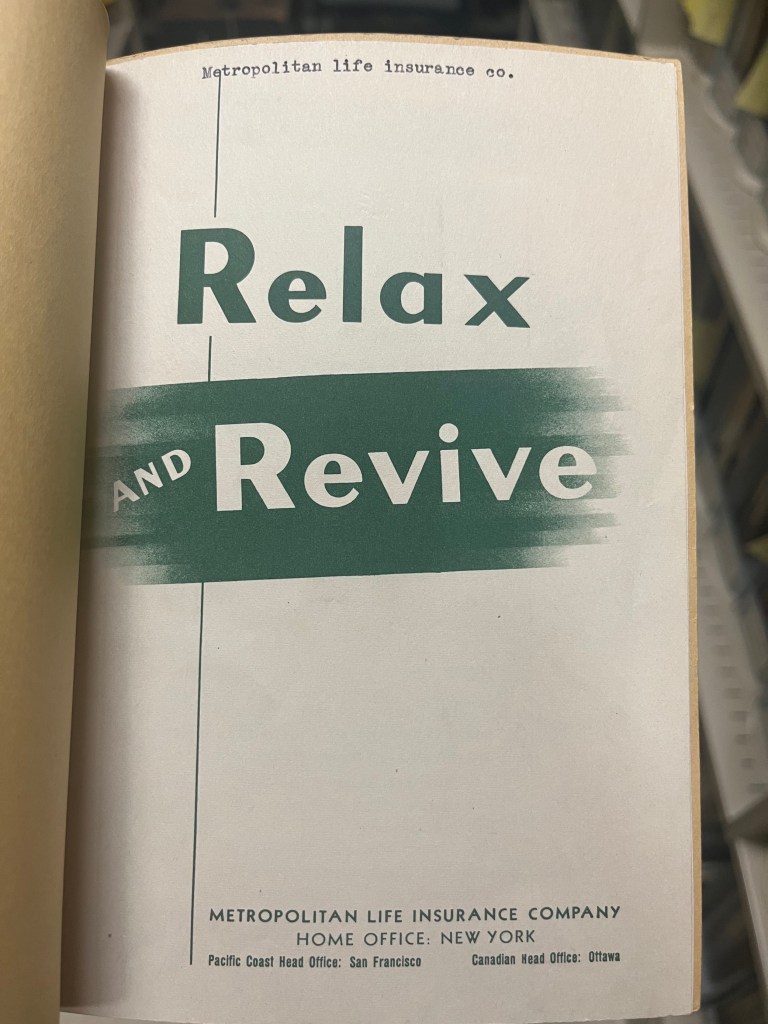
Even your insurance company wants you to relax! Metropolitan Life Insurance gave advice in their pamphlet “Relax and Revive.” In comparing the body to the mechanical machines, we use daily, they remind us that “extra care avoids shutdowns.”

The title page for Relax and Revive by Met Life. The font is turquoise.

Whether we get a day, a whole weekend, or the entirety of a season, it’s important to carve out time for yourself. As Met Life put it, “How you use your precious hours of leisure is of the greatest importance in keeping yourself fit, and in fighting the good fight on the home front.” To take care of what you need to take care of, you have to start with yourself.

Like Dr. Stevenson, the insurance company wanted you to figure out what works best for you. Besides the typical ways we think of recreation, the pamphlet stated that perhaps just sitting there is what works for you! “Maybe idleness is your recreation. That’s all right too.”

An image of a man showing the fish that he and his son caught to his neighbor. The two adult men are separated by a fence. The boy has climbed the fence to proudly speak with his dad.

While we all may have ideas of what recreation is, it looks different for all. We wanted to share how people have been relaxing so far this summer. We’ve gotten pictures, postcards, and stories from fellow NYAM staff, friends, family, and patrons. We thank everyone for their responses so far.

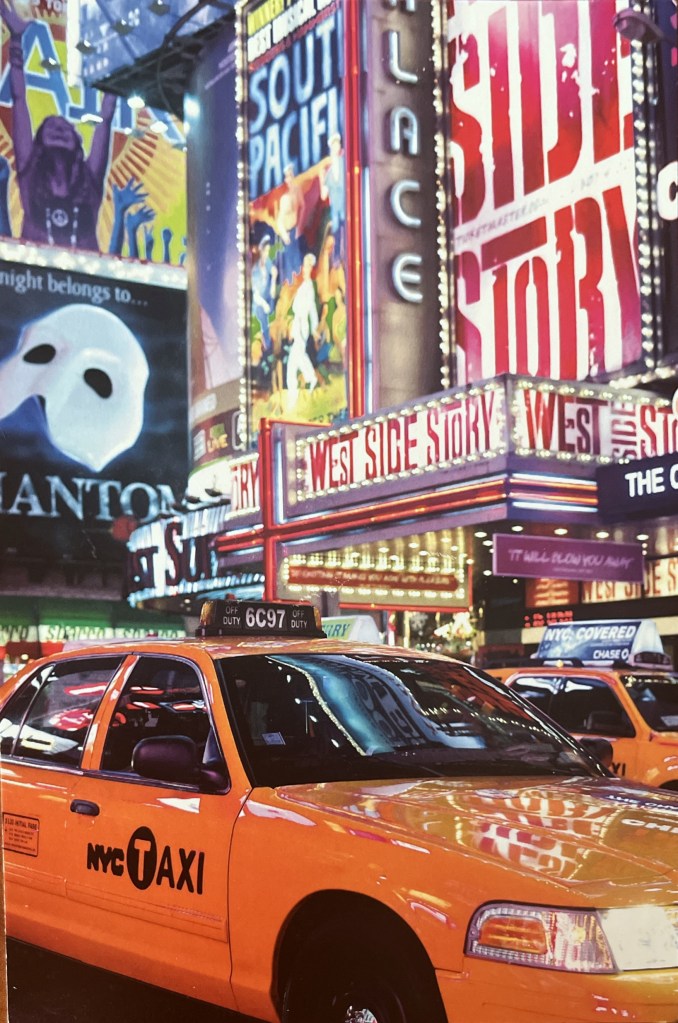
The staff here at NYAM filled out beautiful New York City—centric postcards. They relayed their goals for the summer, which included personal goals (vacations, exercise, spending time with family and pets, and of course, recovery), as well work goals (planning notable events, organizing office space, and remembering to respond to emails on time).

A colorful illustrated postcard of times square. The iconic yellow taxi rides through the street. Marquees for Broadway productions illuminate the sky. They are Phantom of the Opera, West Side Story, Hair, and South Pacific.

We even got a response from a friend of a famous 100-foot-tall ape…

A response that reads "This summer I am climbing the Empire State Building with a giant gorilla."

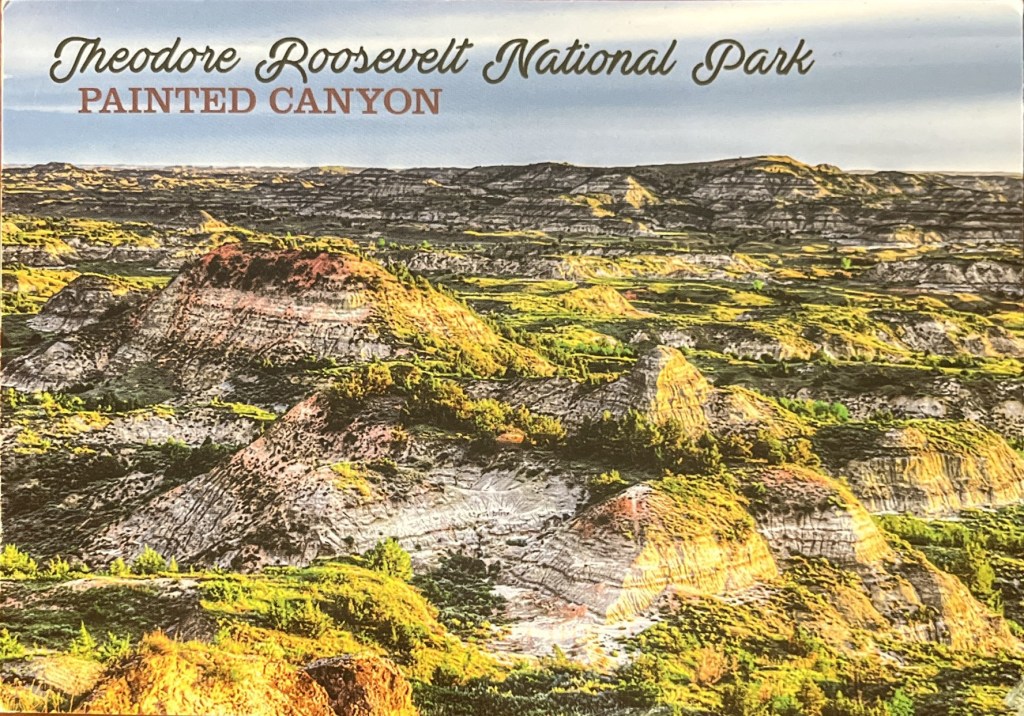
Parks are always fun to visit during the summer. This one comes from Theodore Roosevelt National Park in North Dakota, one of 63 with that distinction.

A scan of a postcard from Theodore Roosevelt National Park. This shows the Painted Canyon. The canyon appears very yellow.

Indiana seems like a popular destination this summer. Three of our postcards come from different parks there.

Rachel visited Wolf Park and talked about the different wildlife she saw there, including foxes, turtles, and of course, wolves! She mentioned how the park gave her tips on how to help the wildlife there and in the larger environment.

A scan of a postcard from wolf Park. Three wolves are howling to the left. There is another wolf who is howling to the right,.

Megan went on a trip to Turkey Run State Park in Indiana where she went on a hike for her recent birthday. She loved being in nature with her sister and best friends.

A scan of a postcard from Turkey Run State Park. It shows a walking bridge surrounded by green trees.

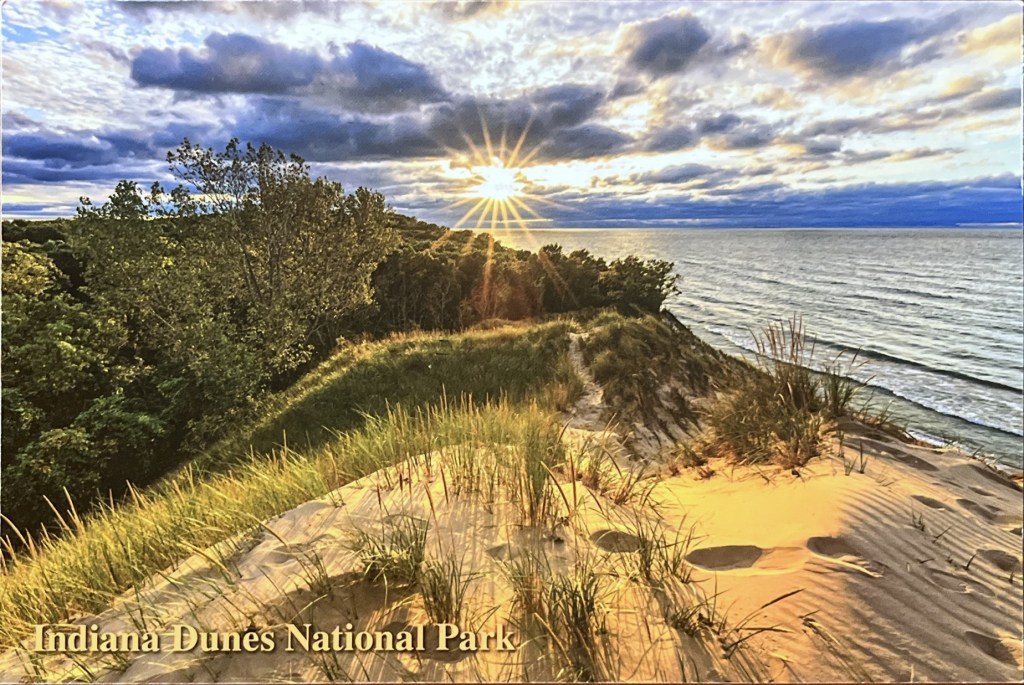
Our Historical Collections Librarian sent a postcard from a road trip she took. One of her stops brought her to the Indiana Dunes National Park. There she got to walk along the Lake Michigan Shoreline!

A scan of a postcard from Indiana Dunes National Park. It is the shoreline of Lake Michigan. The sun is setting right in the middle.

One of our patrons, Dr. Sharon Packer, sent us these photos from Bearsville, New York. The pictures remind us of the beauty and therapeutic power of relaxing in our natural environment. For those in a big city, it’s nice to get away for a bit. We are lucky to live only a train ride away from such different scenery. There also looks to be delicious home cooking! Both making and eating are perfect relaxation practices.

A photo with a blooming pink flower in frame. Behind it is a small, shy brown dog looking at the camera.
A delicious looking quiche that is set in front of a red barn. The quiche has cut scallions on top.

We don’t want to scare you; the summer is not over yet! With that, we are still collecting postcards and pictures.

Postcards/letters can be sent to:
Attn – NYAM Library
The New York Academy of Medicine
1216 Fifth Avenue
New York, NY 10029

Or you can always e-mail us at: librarysocial@nyam.org.

We look forward to hearing from you! And more importantly, we hope you are having a relaxing summer.

A large pink flower is in focus.

References:
Harris, Antron. The Man Who Stopped Growing Old : Joseph Ralph, Psychologist and Psycho-analyst, Discoverer of the Electronic Relaxation Method of Mental and Physical Rejuvenation. B.F. Tibby, 1924.
Metropolitan Life Insurance Company. Relax and Revive. Metropolitan Life Insurance Company, 1920?.

Stevenson, George S. How to Deal with Your Tensions. National Association for Mental Health, c1957.

Hello, Summer!

By Anthony Murisco, Public Engagement Librarian

As we pass the longest day of the year, we arrive at summer!  

We began our celebration of the summer with the annual Museum Mile Festival on Tuesday, June 13th. Each year, all the cultural institutions along 5th Avenue get together to highlight what we have to offer. Think of it as a block party for museums! The stretch starts around 85th Street with The Met and ends at 110th with The Africa Center.  
 
This year the Museum Mile Festival celebrated its 45th anniversary. It also happened to be the 100th birthday of our neighboring institution, The Museum of the City of New York! From where we were set up, we could hear the titular song from the new musical “New York, New York” in observance. 

NYAM’s table was set up outside 103rd Street right across from Central Park. Our set-up highlighted the treasures from our collection with replicas of assorted pamphlets. This included a photo-op with our new skeletal employee. There were plenty of crayons on hand for visitors to engage in sheets from our Color Our Collections coloring books. Sidewalk chalk was on offer to decorate the closed city streets.  

The NYAM Team enjoyed talking with the passers-by. These encounters gave us ideas on how best to invite the community through our doors to engage with our organization. A reminder that throughout the year on the first Monday of every month at 12 pm (holidays excepted), we offer tours of our library highlighting a portion of the collection. While we understand it may not be possible for some to attend, we continue to look for other ways to highlight our rich holdings.  

For some, the Museum Mile Festival is their unofficial kick-off to summer. Others wait for the official start on the day of the summer equinox. Students may celebrate on the last day of classes when their summer vacation starts. 

While not all of us get that traditional summer vacation, the season brings to mind the need for some real relaxation. Whether it be lying by the beach, going for a run in the park, or seeing your favorite baseball team play, we each have our own ideas of what it means to take it easy. It could be a tropical vacation that’s been on your calendar for months, or a day trip you take with friends out East to a winery. One doesn’t have to spend time lamenting a lost youth!  

Some like to relax by swimming. We’ve previously investigated tips and tricks to make your swimming more artful or, the proper scientific form. Others visit different places. Our blog has also shared what happens when the God of love needs some rest and relaxation. It goes to show that if they need it, we do too. 

Here at NYAM, we want to hear how you are spending this leisure time. Send us a postcard detailing what you’ve been up to in your downtime or  some photos or videos (no faces please!) at librarysocial@nyam.org or the New York Academy of Medicine, 1216 Fifth Avenue, New York, NY 10029 (Attn: Library). We’re excited to see what you are up to!  

Throughout the summer we hope to share with you what others have been doing. We need to recharge once in a while. Your relaxation tips might inspire others! You never know what may lie in your own backyard.  

(Enjoyed the colorful, illustrated images? They come from our William H. Helfand Collection of Pharmaceutical Trade Cards collection which is available to view online!)

May 2023 NYAM Library Wrap-Up

By Anthony Murisco, Public Engagement Librarian

May brought us flowers and a lot to celebrate on social media!

Throughout the month of May we observed Mental Health Awareness Month. This included sharing information and graphics from the National Alliance on Mental Illness. On May 11, we observed National Children’s Mental Health Awareness Day. Kids often imitate adult behavior. Passing down healthy habits, including ones related to mental health, is imperative!

A colorful illustration of a group of kids. They are in front of a door. One boy is tying roller skates. A blonde haired girl is running to another boy who is riding a fake horse with a cowboy hat.

The popularity of Star Wars continues to this day. Just after the movie’s premiere in the late 1970’s, President Carter and the National Immunization Program asked the film’s two droids, R2-D2 and C-3PO, to star in a campaign promoting immunization. A television commercial and a poster were made for this, with the latter in our collection.

The Star Wars droids are asking parents of Earth to immunize their children in this printed PSA.

School nurses are some of the first healthcare workers that children meet. On May 10th we celebrated them. National School Nurses Day invites us to thank these caregivers. This photograph from Health Work in the Schools by Ernest Bryant Hoag and Lewis M. Terman shows a school nurse in action.

A black and white image. Caption reads "School nurse recording pulse and temperature in an open-air class."

Who better than to help us celebrate Mother’s Day and Women’s Health Week than the Roman goddess of women’s health, Juno. She made her appearance in 1950 at the Cleveland Health Museum, helping to explain how the female body worked.

A photograph of the transparent Juno statue from the side. Juno is a life-size woman.

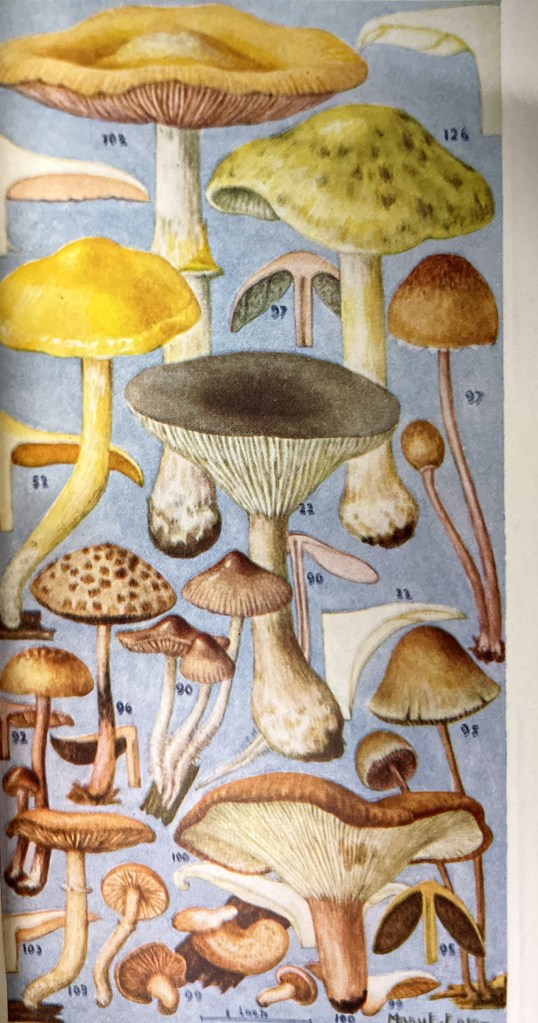
Do you like foraging for your food? Then you probably celebrated National Mushroom Hunting Day on May 17th. The Field Book of Common Gilled Mushrooms by William S. Thomas helps you identify which you can eat and which you cannot!

A colorful illustration of various mushrooms.

World Goth Day happened on May 22nd. The macabre is at the forefront of this often-misunderstood subculture. We showed off some of the many skeletons in our collection, including this from The Last Will and Testament of Basil Valentine by Basil Valentine.

A skeleton stands on a platform.

One of New York City’s prominent bridges, The Brooklyn Bridge, celebrated its 140th birthday on May 24th. It appears on a card from our William H. Helfand Pharmaceutical Trade Card collection promoting Lydia E. Pinkham’s Vegetable Compound.

The front side of the trading card. A drawing of the "East River Bridge" is front and center with ships sailing around it. Lydia E. Pinkham's Vegetable compound is a featured banner in the middle of the bridge.

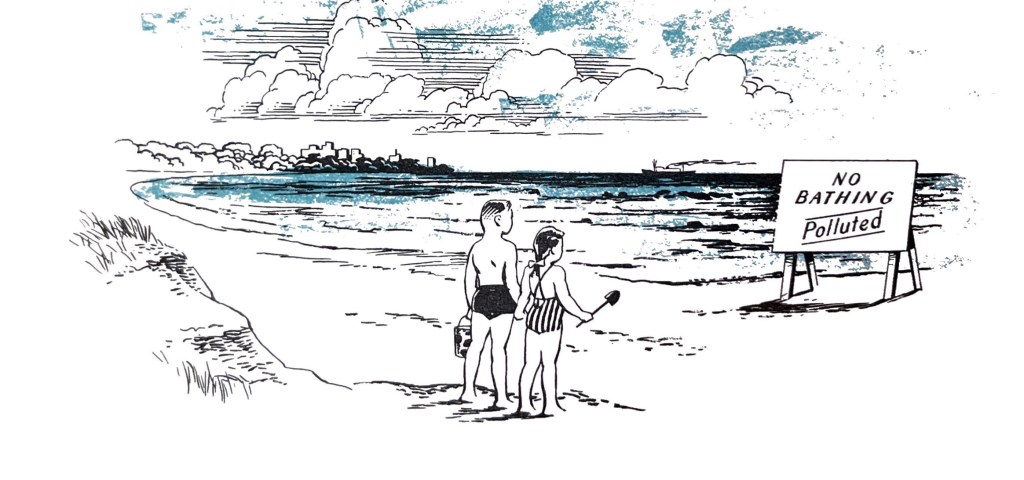
International Plastic Free Day on May 25th seeks to have at least one day without single-use plastics. The day usually falls around Memorial Day, a long weekend often spent enjoying picnics, the beach, or hiking, all occasions tempting us to be wasteful. To keep on enjoying, we need to squash the usage of these products.

An illustration of two beach-goers unable to go to the beach. A sign reads "No Bathing. Polluted."

Throughout the month, artists used the hashtag and prompt #MerMay as a creative inspiration signaling mermaids and mermen. Towards the end of the month, we shared another image from the Helfand Trade Card collection, this one featuring the aquatic folk using Ayer’s Hair Vigor to attract sailors.

Four mermaids are applying hair tonic. In the background a fifth mermaid is approaching a ship.

Finally, we are counting down the days until Museum Mile Festival 2023! On Tuesday, June 13th, cultural institutions along Museum Mile on 5th Avenue will be celebrating with extended hours, giveaways, and a look inside the collections. The NYAM Library will be set up at 103rd and 5th—come visit us!

The New York Academy of Medicine Library posts updates like this throughout the week. We can be found online over at Facebook, Instagram, and Twitter. Check back here or on our social media for more chances for a look inside our collection!

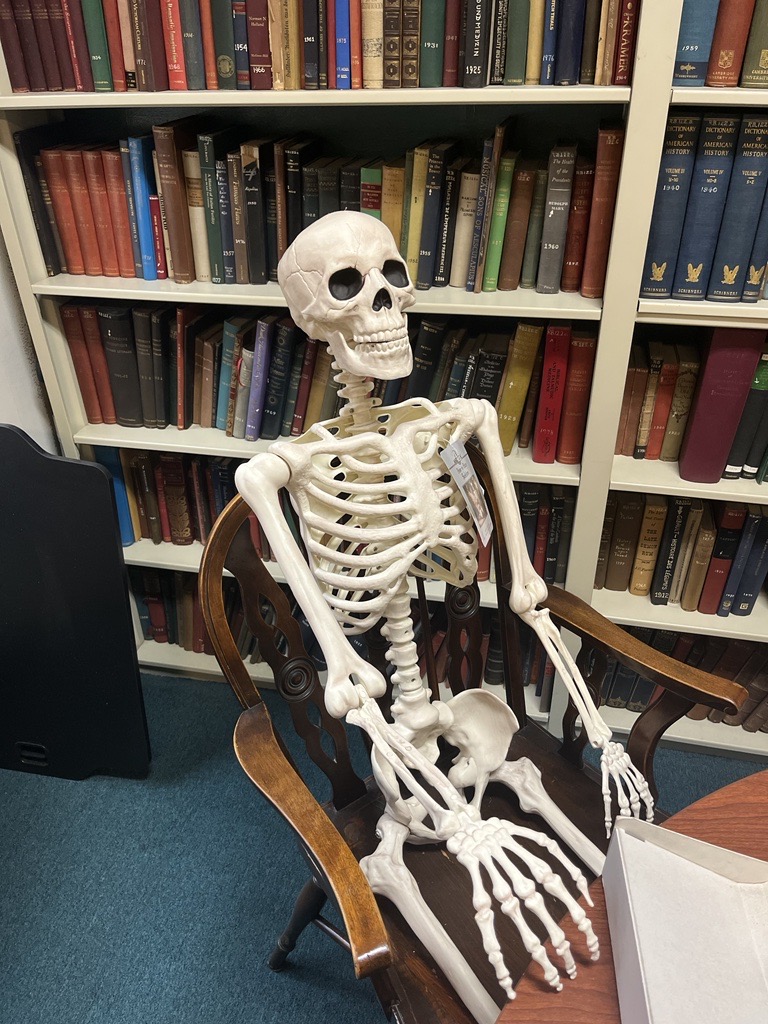
A skeleton sits in a chair. They are surrounded by old books.

Speaking For Themselves: Mental Health Memoirs

By Anthony Murisco, Public Engagement Librarian 

Since 1949, May has been recognized in the United States as Mental Health Awareness Month. The National Association for Mental Health, now Mental Health America, set up the month of educational events to clear up misconceptions about mental health and provide resources to those who need them.  

The knowledge of public health is always changing. What may have been taken as fact years ago is not necessarily the truth now. This is true for understanding mental health, or formerly, mental hygiene.  


From November 8th to 15th in 1912, the National Committee for Mental Hygiene and the Committee on Mental Hygiene of the New York State Charities Aid Association hosted a conference at the College of the City of New York. These two organizations brought together some of the leading minds on the subject. This was a relatively new idea. Modern understanding of psychiatry had begun less than a hundred years earlier.  

The goal of this conference was what the public could do regarding their own mental health. They came up with six tenets. 

While worded harshly in today’s terms, these suggestions try to offer a compassionate understanding of mental illness. The fourth, “Speak and think of insanity as a disease and not as a crime,” stands out as something we continue to struggle with today.  
 

One of the forefathers of the mental health awareness movement would not be considered a traditional mental health expert. Clifford Whittingham Beers was born in 1896. Mental illness ran in his family. He himself served several stints in mental institutions. Upon the cruel treatment inflicted upon him at these hospitals, he went on to write a memoir on the subject. In A Mind That Found Itself, he writes of the degradation that he and his fellow patients were subject to. This memoir was key to providing a voice for those who were afraid to speak of their own illness. In 1909 Beers founded the organization now called Mental Health America.  
 

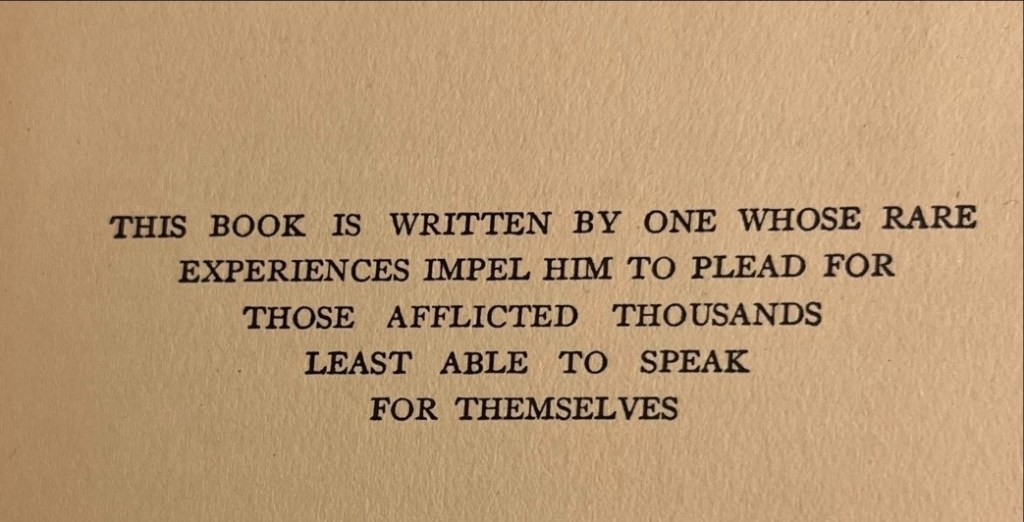
From the first edition of A Mind That Found Itself.

Since the publication of Beers’ book, several writers have explored their own experience. These mental health memoirs offer both guidance and companionship to those who also suffer. They provide maps for those who care about those who may be suffering and allows a peek inside minds that many cannot comprehend.  

Some of these authors bring humor to their reflections.  Two funny people wrote about their own struggles. Kevin Breel is a Canadian comedian. He also suffers from depression. His memoir, Boy Meets Depression, allows readers into the mind of someone who experienced the mental illness early on in life. Sara Benincasa is known for being a comical blogger. Her own memoir Agorafabulous! reveals her fight with depression as well as agoraphobia, the fear of leaving one’s house.  

Graphic memoirs allow us to see with the author’s vision. In dealing with mental health, we get to experience dark visions or the physical manifestation of anguish.  


The Hospital Suite by John Porcellino starts off with a hospitalization. After his illness, Porcellino’s health didn’t get better. His brief stint had taken a toll on his mental health. He writes about the experience of his recovery from an obsessive-compulsive episode. Porcellino is candid about his struggles and his fears of his bouts recurring. 


Ellen Forney was diagnosed with bipolar disorder before her thirteenth birthday. Afraid of stunting her creativity, she seeks treatment that will help her fulfill her potential. She begins to look at other artists who have suffered from mental illness. Finding all minds are different, she wonders what’s going to be best for her. Forney takes us on her personal highs and lows in Marbles. 


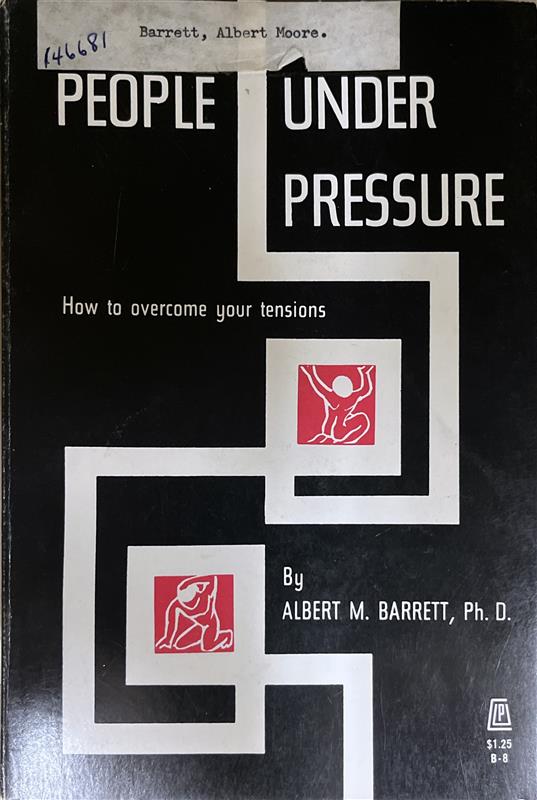
Towards the end of his work on the epidemic of mental fatigue and pressure, People Under Pressure, Albert M. Barrett, MD, offered a sympathetic take on mental health challenges. For fifteen years prior to his 1960 publication, he worked alongside counselors and therapists. Barrett urges us to consider a different point of view. He writes, “For no man is an island, and the relief we provide other human beings will reflect itself in our own peace of mind.” Compassion is vital towards greater public health. 
 
 
References: 

Barrett, Albert M. People under Pressure. College and University Press, 1960.  

Benincasa, Sara. Agorafabulous!: Dispatches from My Bedroom. William Morrow Paperbacks, 2013.  

Breel, Kevin. Boy Meets Depression: Or Life Sucks and Then You Die Live. Harmony Books, 2015.  

Clifford, Beers W. A Mind That Found Itself; an Autobiography. Longmans, Green, and Co., 1908.  

Forney, Ellen. Marbles: Mania, Depression, Michelangelo, & Me: A Graphic Memoir. Gotham Books, 2012.  

National Committee for Mental Hygiene, and State Charities Aid Association (N.Y.). Committee on Mental Hygiene. Proceedings of the Mental Hygiene Conference and Exhibit at the College of the City of New York…. Committee on Mental Hygiene of the State Charities Aid Association, 1912.  

Porcellino, John. The Hospital Suite. Drawn & Quarterly, 2014.