16th Century Anatomy and Pornography? De dissectione partium corporis humani libri tres, Charles Estienne, 1545; Guest Post by Morbid Anatomy

Estienne5caraglio


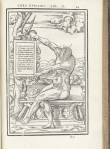
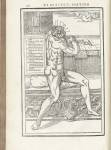
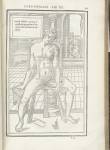
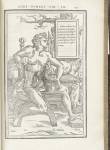
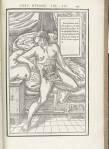
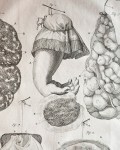
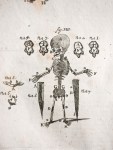
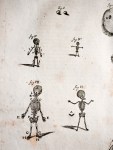
The first image above and those in the gallery below are illustrations from De dissectione partium corporis humani libri tres [Three Books on the Dissection of the Parts of the Human Body], published by Charles Estienne in Paris in 1545. Although this book came out 2 years after Andreas Vesalius’ landmark Fabrica, Charles Estienne’s Dissection was actually completed in 1539, so it is considered a work of pre-Vesalian anatomy.

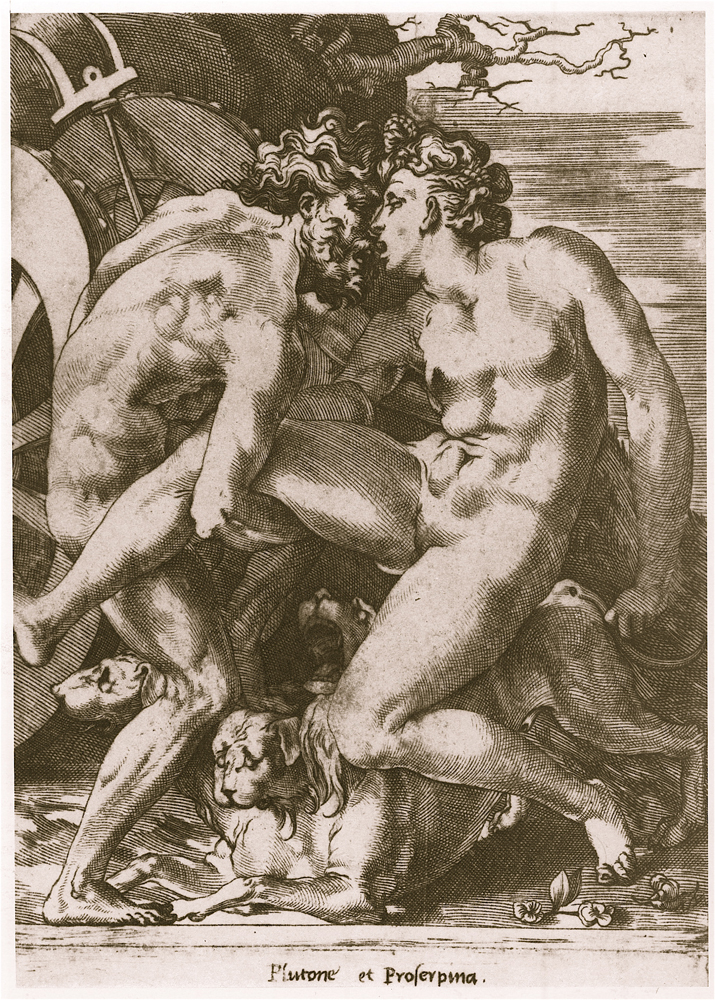
Not only are these illustrations delightfully surreal, they also have a very surprising back story, creating an unlikely link between pornography and anatomy! This is revealed in the similarity of pose between the first image, a woodcut from Estienne’s work, and the second, a slightly earlier erotic engraving.

As explained on the Christie’s auction site:

The anatomical woodcuts in De Dissectione have attracted much critical attention due to their wide variation in imagistic quality, the oddly disturbing postures of the figures in Books 2 and 3, the obvious insertion in many blocks (again, in Books 2 and 3) of separately cut pieces for the dissected portions of the anatomy, and the uncertainty surrounding the sources of the images. The presence of inserts in main blocks would suggest that these blocks were originally intended for another purpose, and in fact a link has been established between the gynecological figures in Book 3, with their frankly erotic poses, and the series of prints entitled Gli amori degli dei [The Loves of the Gods], engraved by Gian Giacomo Caraglio after drawings by Perino del Vaga and Rosso Fiorentino.

A possible explanation of this interesting connection between pornography and anatomy is that the engraver of the female nude woodcuts did not have access to a model, and for the sake of expediency copied the general outlines of the female nudes from “The Loves of the Gods,” eliminating the male figures from the erotic illustrations. Another wood engraver, perhaps [Etienne de la] Rivière, would then have prepared the anatomical insert blocks showing the internal organs.

Still another explanation might have been that in an era in which there was little graphic erotica available the author and the publishers deliberately exploited the erotic undercurrents of this anatomical work as a way of expanding the market beyond medical students. Perhaps because of the erotic undertones the book sold unusually well for a dissection manual and anatomical textbook, causing the publishers to issue an edition in French only one year later, in 1546.

All images except the second are from De dissectione partium corporis humani libri tres, using the National Library of Medicine’s fantastic online resource Historical Anatomies on the Web; you can see all the images from Estienne’s book by clicking here.

The second image is by Jacopo Caraglio (engraver), after Rosso Fiorentino (artist): “Pluto and Proserpina,” 1527, from the series, The Loves of the Gods. It was exhibited in “‘An Earthly Paradise’: The Art of Living at the French Renaissance Court,” at the Herbert F. Johnson Museum of Art, Cornell University, January 16 – April 18, 2010, and is found on the Cornell University website.

This post was written by Joanna Ebenstein of the Morbid Anatomy blog, library and event series; click here to find out more.

Identification Anthropométrique, Alphonse Bertillon, 1893; Guest Post by Morbid Anatomy

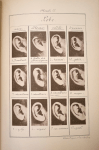
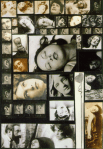
Title pageAnother fascinating book from the NYAM’s holdings is French criminologist and anthropologist Alphonse Bertillon’s Identification anthropométrique; instructions signalétiques of 1893. Alphonse Bertillon (1853–1914) invented a criminal identification system using photography and physical measurements which allowed police to document and convict repeat criminals. His system was called signaletics or bertillonage and involved recording certain traits, such as measurements of the head and body and the shape of the ear, and converting them into a unique formula. The formula was paired with a photo of the individual and filed. The system was successful and widely used, but errors were possible, since different officers might obtain different measurements and bodies can change, and eventually fingerprints became the preferred method of identification. Bertillon also introduced the systematic use of photography to document crime scenes. The reductionism of such medicalized views of the body went on to inspire the works of the surrealists, as seen in works such as Salvador Dali’s “The Phenomenon of Ecstasy” (see last image) of 1933.

This post was written by Joanna Ebenstein of the Morbid Anatomy blog, library and event series; click here to find out more.

“Artist of Death” Frederik Ruysch at NYAM: Guest Post by Morbid Anatomy’s Joanna Ebenstein

Ruysch1

1720 frontispiece to Opera Omnia, 1721.

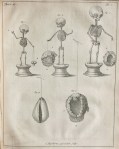
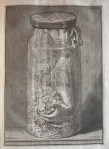
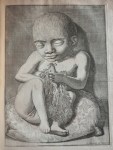
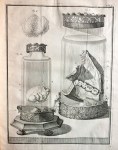
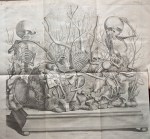
My very favorite figure operating at the intersections of art and medicine–and probably the most bizarre to the modern eye–is Dutch anatomist, artist, preparator, and early museologist Frederik Ruysch (1638-1731). A pioneer in the art of preserving the human body, he was famed for his uncannily life-like and imaginative human preparations (i.e. bits of bodies preserved for study) which he achieved through a combination of injections of colored wax and a secret alcohol-based preservation formula. He is best remembered today for his lavish memento mori-themed tableaux utilizing real human fetal skeletons and other bits of human remains (see images 15-18) which are beautifully explained by Steven Jay Gould in his book Finders, Keepers: Eight Collectors:

Ruysch made about a dozen tableaux, constructed of human fetal skeletons with backgrounds of other body parts, on allegorical themes of death and the transiency of life… Ruysch built the ‘geological’ landscapes of these tableaux from gallstones and kidneystones, and ‘botanical’ backgrounds from injected and hardened major veins and arteries for “trees,” and more ramified tissue of lungs and smaller vessels for ‘bushes’ and ‘grass.’

The fetal skeletons, several per tableau, were ornamented with symbols of death and short life–hands may hold mayflies (which live but a day in their adult state); skulls bemoan their fate by weeping into ‘handkerchiefs’ made of elegantly injected mesentery or brain meninges; ‘snakes’ and ‘worms,’ symbols of corruption made of intestine, wind around pelvis and rib cage.

Quotations and moral exhortations, emphasizing the brevity of life and the vanity of earthly riches, festooned the compositions. One fetal skeleton holding a string of pearls in its hand proclaims, ‘Why should I long for the things of this world?’ Another, playing a violin with a bow made of a dried artery, sings, ‘Ah fate, ah bitter fate.’

Rusych showcased his thousands of human preparations in his own cabinet of curiosities visited by medics and philosophers, as well as members of the aristocracy and royalty. Here, one could see not only his fantastic tableaux, but also his imaginative human specimens in glass jars, preserved organs, exotic birds, butterflies and plants. Ruysch published several lavishly illustrated guides to his cabinet; in image 1, above, you can see an allegorical view of his museum as depicted in a frontispiece to his Opera Omnia, 1721.

Very sadly, none of Ruysch’s astonishing tableaux are known to exist today, and are only known to us through book illustrations. One can get a sense of what the real thing probably looked like, however, in image 19, a contemporaneous 17th fetal skeleton tableau emblazoned with a memento-more-themed Virgil quote; this photo was featured in my recent exhibition The Secret Museum, on which you can find out more here. You can also still see visit many of Ruysch’s wet preparations in collections such as the St. Petersburg Kunstkammer (which has 916 of them), Museum Bleulandinum in Utrecht, and the Anatomisch Museum LUMC in Leiden.

All of these images, save the photo, are drawn from the exceptionally rich Ruysch holdings of the NYAM Historical collections. Hear more about Frederick Ruysch at the October 5th Festival of Medical History & the Arts, when Daniel Margoscy will speak on “The Anatomy of the Corpse: Ruysch, Descartes, and the Problem of Wax.”

This post was written by Joanna Ebenstein of the Morbid Anatomy blog, library and event series; click here to find out more.

“Most Wonderful and Glorious Collection of Anatomical Matter in the World:” Popular Anatomy at NYAM; Guest Post by Morbid Anatomy

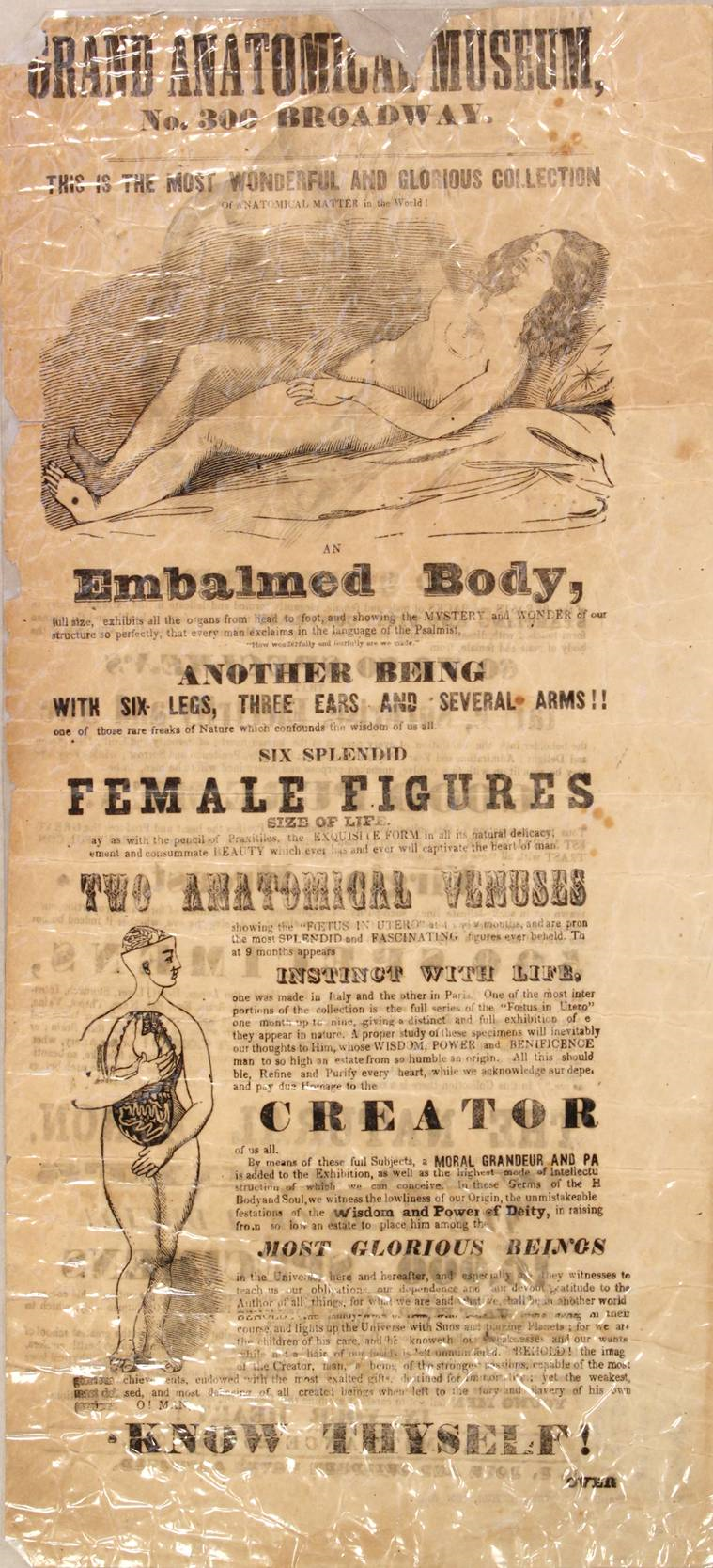
Grand Anatomical Museum

“Six splendid female figures, size of life… the EXQUISITE FORM in all its natural delicacy… and consummate BEAUTY which ever has and ever will captivate the heart of man.”

Above is a fantastic piece of ephemera housed in the NYAM Historical Collections which was recently brought to my attention by Arlene Shaner, Acting Curator of Rare Books & Manuscripts at NYAM.

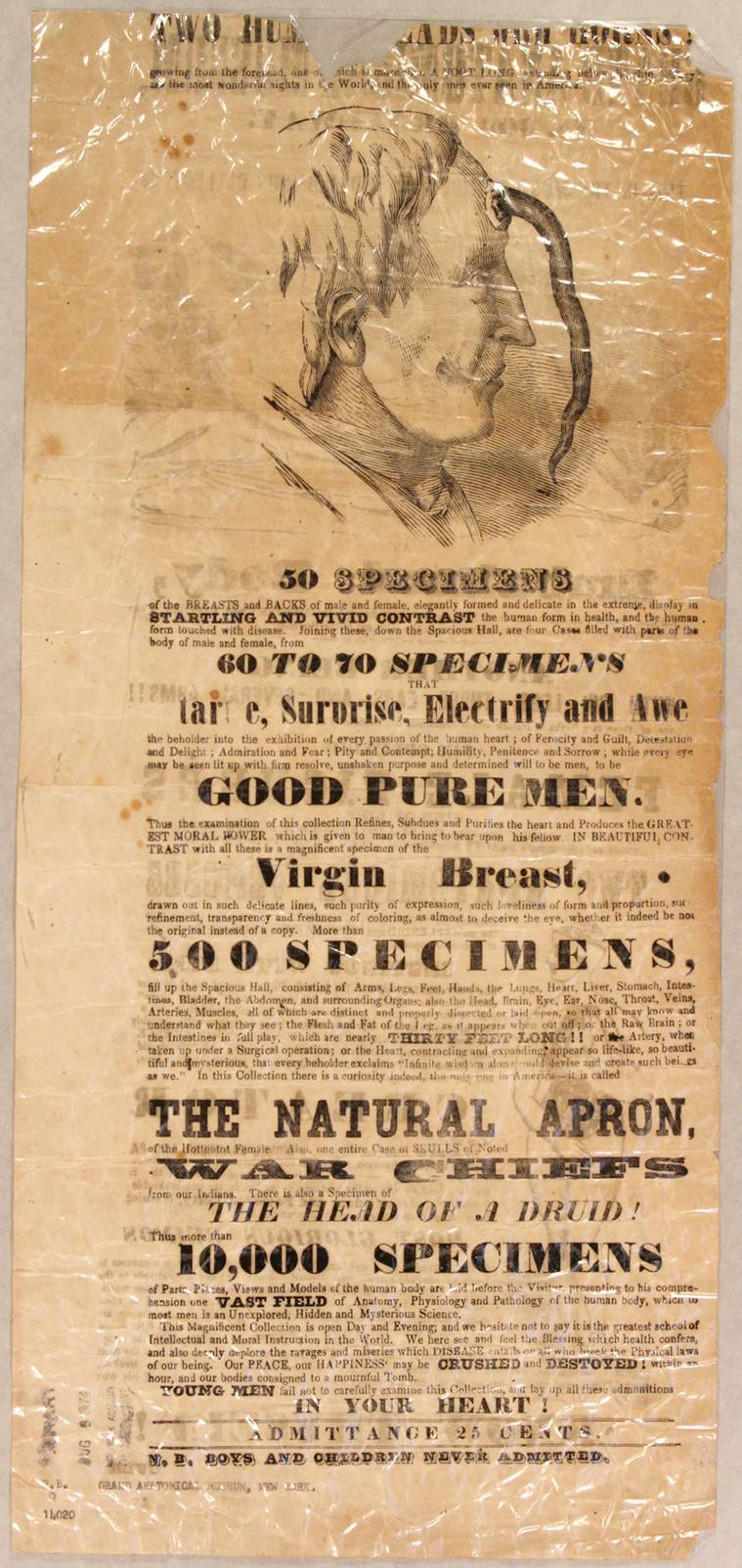
This is a handbill advertising New York City’s Grand Anatomical Museum, one of the many for-profit, open to the pubic anatomical museums which were operating in New York and other European and American cities in the 19th and early 20th centuries. These collections were popular with the general public; they were both educational and spectacular, and often showcased objects of a titillating bent such as beautiful, unclothed wax women with real hair and glass eyes called Florentine, Parisian or anatomical Venuses (more on these fabulous creatures here), human freaks and–at a time when syphilis was both widespread and incurable–lurid wax depictions of genitalia deformed by venereal disease. These last could be found, more often then not, in a special “gentleman’s only” chamber.

Such museums were initially lauded by the medical establishment as excellent for laymen and medics alike. However, by the late 19th century, they became increasing associated with “quack” medical practitioners, who would use them as an kind of advertisement for their often mercury-based cures for sexuality transmitted diseases. Eventually, most of these museums were closed down–or even destroyed–under anti-obscenity laws.

Grand Anatomical Museum 2

You can find out more about popular anatomical museums in this article and book by Michael Sappol, who will be participating in NYAM’s upcoming Festival of Medical History and Arts on October 5th.  They were also explored in The Wellcome Collection’s 2009 exhibition Exquisite Bodies (for which I acted as curatorial consultant), and Maritha Rene Burmeister’s wonderful dissertation on the topic.

This post was written by Joanna Ebenstein of the Morbid Anatomy blog, library and event series; click here to find out more.

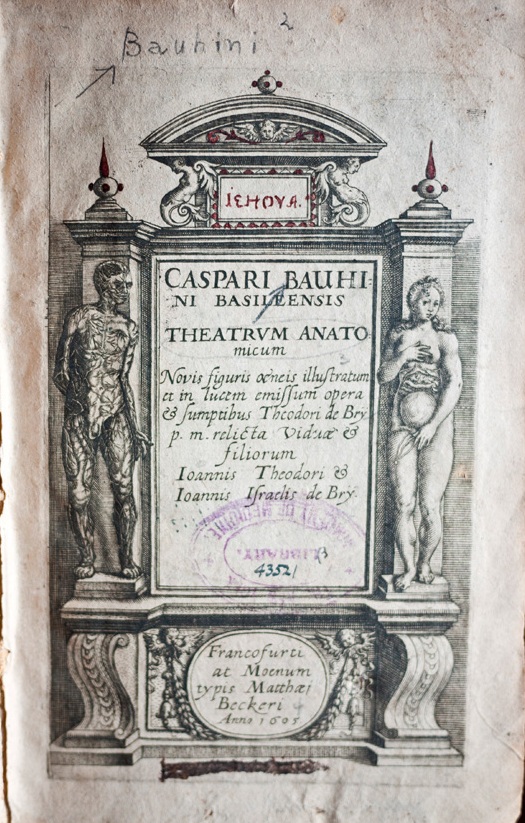
Theatrum Anatomicum, by Caspar Bauhin and Theodor de Bry, 1605 : Guest Post by Morbid Anatomy’s Joanna Ebenstein

Bauhin1Here are some wonderful images from another of my favorite books in the NYAM historical collections, Theatrum Anatomicum (1605), by Caspar Bauhin and Theodor de Bry. This edition also has some especially lovely image ghosting going on.

This post was written by Joanna Ebenstein of the Morbid Anatomy blog, library and event series; click here to find out more.

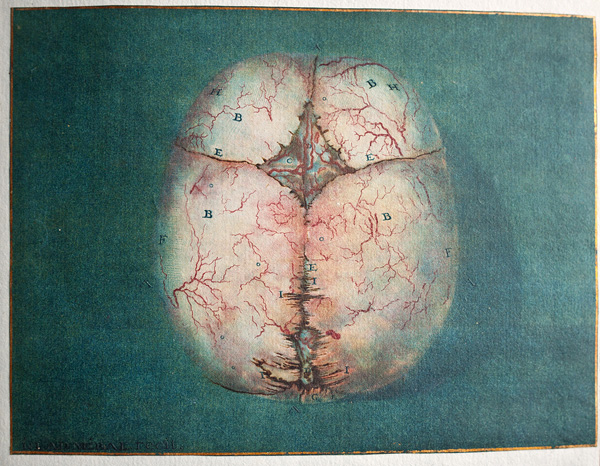
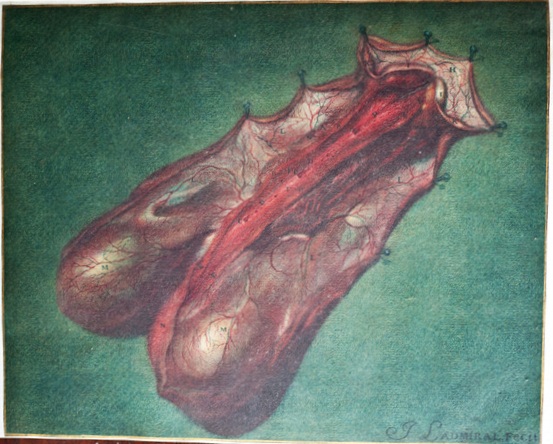
Icon durae matris in concavâ superficie visae…, Jan Ladmiral and Frederik Ruysch, 1738: Guest Post by Morbid Anatomy’s Joanna Ebenstein

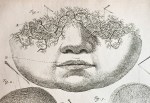
Here is a lovely small frontispiece etching and some lush and wonderful mezzotints by Jan Ladmiral, pioneer of early color printing, drawn from the NYAM copy of Icon durae matris in concavâ superficie visae, ex capite foetus humani octò circiter à conceptione mensium, desumtae; ad objectum artificiosissimè praeparatum à clarissimo viro Fred. Ruyschio by Jan Ladmiral and Frederik Ruysch from 1738.

Ladmiral1

Ladmiral3 Ladmiral2

Ladmiral4

This post was written by Joanna Ebenstein of the Morbid Anatomy blog, library and event series; click here to find out more.

Item of the Month: The Medical Museum, Mythology and Medicine

By Arlene Shaner, Acting Curator and Reference Librarian for Historical Collections

Medical Museum title page 1763

Recently, while looking for something in the rare periodicals collection at NYAM, I came across a charming allegorical frontispiece that appeared in the first volume of The Medical Museum, a short-lived journal that appeared in three volumes published in London 1763 and 1764.  The editors of the journal, who described themselves as “Gentlemen of the Faculty,” remain unknown.  The subtitle and the introduction make clear that they viewed themselves primarily as the collectors and disseminators of already published works from a variety of sources. 

Even 18th century people struggled to make sense of an overwhelming amount of information.  “Many physical people very justly complain of the great expense attending the purchase of medical treatises, especially foreign ones… the pains and time to select and examine the matters that may concern their profession, are with many too much to be dispensed with,” (ix) they noted, while explaining the task they had chosen for themselves, that of serving as the selectors of the most useful materials from disciplines ranging from anatomy, medicine, chemistry, botany and other assorted sciences.  Works from a remarkable range of publications appear in the Museum, many of them translated from their original languages into English to make them more accessible, as the compilers hoped their journal would find an audience among the public, not just among medical men.

Medical Museum frontispiece 1763

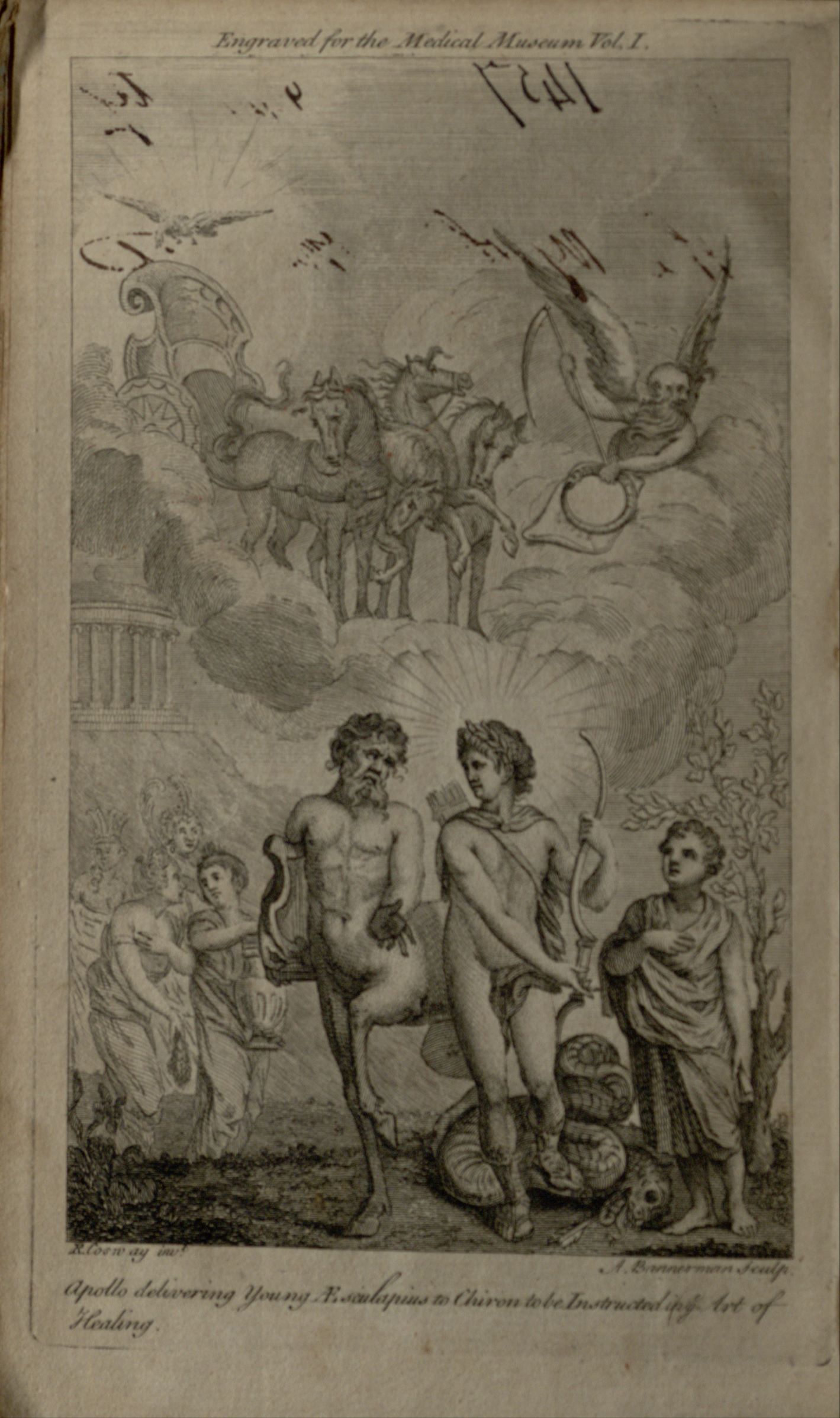
The first volume contains a specially engraved frontispiece that shows Apollo bringing his son Asclepius to the centaur Chiron to learn about the art of medicine.  Coronis, Asclepius’ mother, was either killed by Apollo for being unfaithful to him or died in childbirth, and Apollo rescued the unborn baby from her womb.  Needing someone to raise the boy, Apollo handed him over to Chiron, who taught him the healing arts.  Asclepius went on to father many daughters, some of whom are also remembered for their connections to medicine and health.  One of his daughters, Hygeia, is the goddess of health, while another, Panacea, is the goddess of universal remedies.

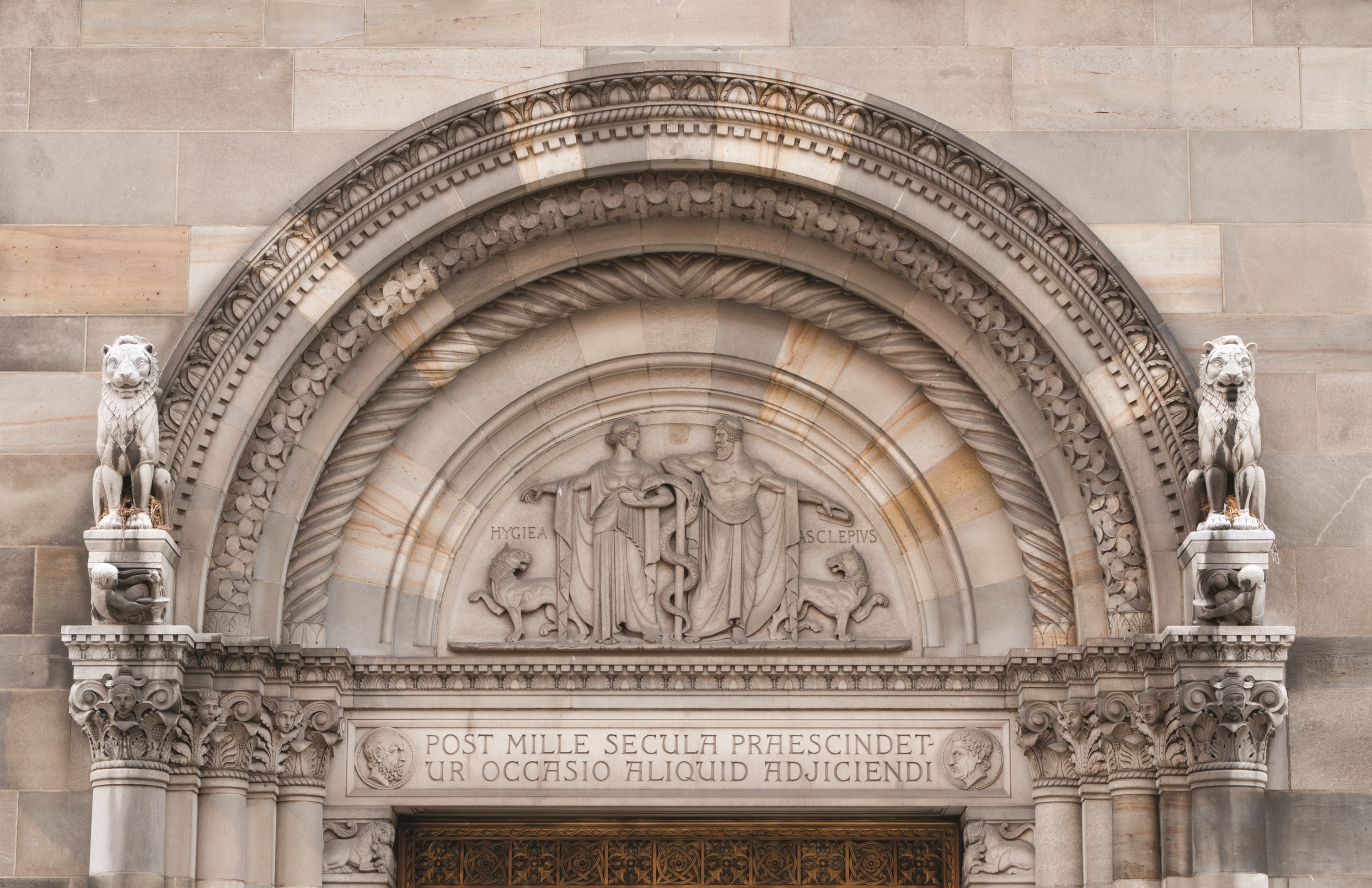
If you visit The New York Academy of Medicine’s building, you will see that Asclepius and Hygeia were important touchstones for NYAM and for the building’s designers as well.  An ornamental frieze above our front door depicts the two of them together, attended by their snakes and dogs, a visual reminder of the classical heritage of medicine.

A&H

Festival of Medical History & the Arts

We are excited to announce our first all-day extravaganza, co-curated by Lawrence Weschler, Morbid Anatomy, and the Center, and featuring esteemed speakers, artists workshops, behind-the-scenes tours, and more. Please check the Festival of Medical History & the Arts page and schedule for more information.

save the date Oct 5

Seeing With New Eyes: Rediscovering Medieval Manuscripts in a Digital Age

Today we have a guest post written by Monica Green, a longtime NYAM researcher.

Several times over the past 30 years, I’ve consulted a mid-13th-century manuscript in the New York Academy of Medicine’s holdings. This large, 94-leaf, handsomely bound volume was formative to my training as a historian of medieval medical history, having been the first “real” manuscript I examined when I was beginning my researches on the so-called Trotula texts in the early 1980s.
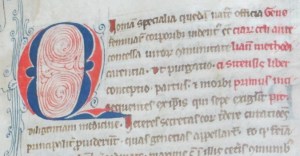
Opening of Caelius.

Opening of Caelius, f. 61ra

Like most scholars who study the history of intellectual traditions, my eyes were on my immediate object of study—in this case, a 12th-century compendium of texts on women’s medicine and cosmetics. My peripheral vision went no further than the other texts on women’s medicine that surrounded it in the manuscript. These were certainly enthralling: they included one of only two known copies of the Gynecology of the 4th-century writer, Caelius Aurelianus. But the other contents of the manuscript, let alone its structure as a whole, were all but invisible to me.

I did come back, many years later, with some questions about one of the surgical texts in the volume.  This was the visually stunning (and rightly famous) Surgery of the early 11th-century Cordoban physician, Abu al-Qasim Khalaf ibn ‘Abbas al-Zahrawi, whose work had been translated from Arabic into Latin in Toledo.  But the NYAM manuscript was not a unique copy (al-Zahrawi’s work exists in some 33 extant Latin manuscripts), and so—my questions quickly answered—I moved on again.

But my attention was brought back to the NYAM volume again last year, because of some questions being raised by a new project.  Two problems seemed to revolve around each other:  why was there a 50-year gap between when the Arabic-into-Latin translator Gerard of Cremona died in 1187 (he was the one who had translated al-Zahrawi) and when his texts first started to be regularly used and cited?  And, secondly, why did so many copies of these works, once they did appear, seem (a) to cluster around Paris and (b) show a level of magnificence in decoration that most medical texts had never previously enjoyed?

Suddenly, the NYAM manuscript took on new significance:  the illumination and decoration, which I had previously ignored, became newly important.  And so, too, did the “minor” texts, such as the Surgery of Horses, of which this is likewise an early copy.  This really was a most unusual manuscript, I realized. And the physical character of the book—its structure and decoration as well as its contents—were key to figuring it out.  So here I am this summer, back to consult it again.
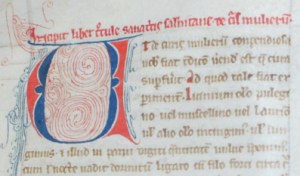
f. 77ra, opening of Trotula

f. 77ra, opening of Trotula

The gynecological unit, which I had worked with most extensively, was the most typical:  the Trotula text, for example, opens with a lovely “puzzle” initial ‘U’, but there is nothing here to distinguish the manuscript from many hundreds of others made in the same period.

Not so for the surgical section of the manuscript.  First was the cautery section:  most of what must have been about two dozen images had been cut away (yes, they had art thieves already in the Middle Ages!).  But the two images that remain show, in quite typical northern European style, images of a surgeon applying hot burning irons to the surface of the patient’s body in order to heal, respectively, sciatica and heart or stomach problems.
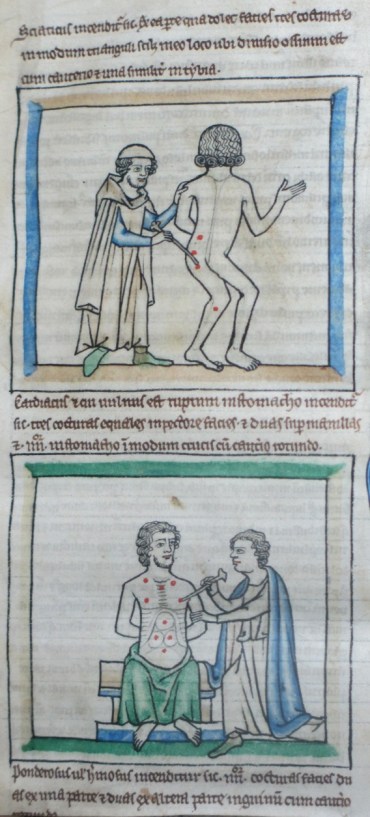
f. 3ra, cautery scenes

f. 3ra, cautery scenes

f. 45ra, opening of Roger, Chirurgia

f. 45ra, opening of Roger, Chirurgia

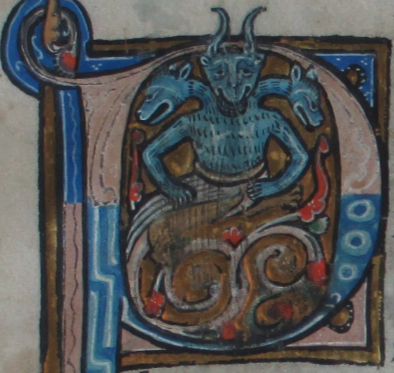
Immediately following was a sequence of other surgical texts.  Each one of them had a striking opening initial, framed in gold leaf with elegant foliated designs that are very similar to the output of an artist’s workshop in Paris associated with the name of the Johannes Grusch.  The three-headed devil that opens the Surgery of Roger Frugardi is especially memorable.
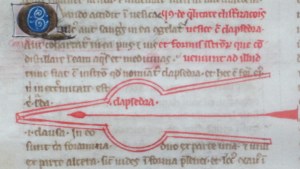


f. 23va:  sample champie initial and clapsedra

f. 23va: sample champie initial and clapsedra

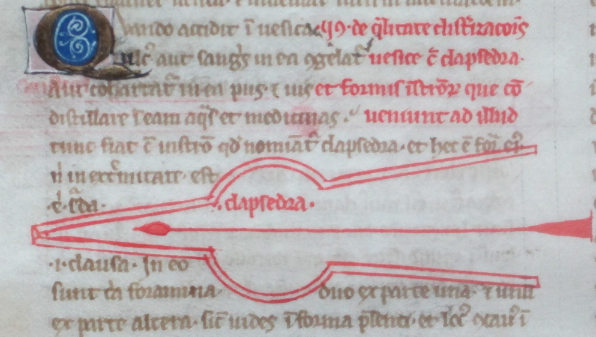
But in the middle of that sequence of smaller surgical texts (all of which probably came out of southern Italy) comes the al-Zahrawi text, with its own unique decoration scheme.  Here we find throughout the text elegant gold-leaf initials, drawn against alternating light blue or rose-colored backgrounds with white ink filigree.  (Art historians call this a “champie” decoration.)  And, of course, here we find the depictions of surgical tools that characterize all the copies of al-Zahrawi’s surgical text, whether Latin or Arabic. The different decoration schemes seemed to correspond to different places from where the commissioner of this book was getting his exemplars (the manuscripts from which this manuscript was copied).

So in what sense does being in a digital age give us “new eyes”?  I had the physical manuscript right in front of me:  800 years of history that I could touch with my hands.  Nothing “virtual” about this!  Ah, but the New York Academy of Medicine was not this book’s original home.  Because so many European libraries are now making their manuscripts available digitally online, it is possible to reconstruct virtually what medieval libraries looked like, to reassemble their components and reconstruct how they came into being.  Because I could learn more about other manuscripts produced at the same time, I was now beginning to understand how extraordinary this manuscript’s medieval home had been.

The NYAM manuscript was commissioned in the mid-13th century by Richard de Fournival, a surgeon and, eventually, the chancellor of the cathedral of Amiens.  (de Fournival had gotten special dispensation from the Pope to continue his surgical practice despite his being a cleric.  His father and nephew were physicians, too.)  The NYAM manuscript captures all the international networks that de Fournival belonged to:  English, Norman, French, and Italian.  Besides being a cleric and a surgeon (and a poet and musician), de Fournival was a librarian—not simply a collector but a curator of books.  The library he created of 162 volumes (comprising many 100s of different texts) literally changed the course of history in laying the foundation for a new, more sophisticated medical system in Europe that was as influential in establishing the social worlds of physicians and other medical practitioners as it was in defining their intellectual worlds.  It was de Fournival, I was realizing, that was instrumental in rediscovering Gerard of Cremona’s translations (including al-Zahrawi’s Surgery) and introducing them into the fertile context of the Parisian academic world.

In our day, Google and PubMed and any number of Internet resources make us lose sight of where knowledge comes from.  Everything seems freely available, whenever we want it.  But books were once extraordinarily precious.  Juxtaposing the digital with the real vellum and leather and wood and gold leaf of a medieval manuscript is an excellent reminder of the cultures of learning we still share across the centuries.

Monica H. Green is a specialist in medieval medical history and the global history of health.  She would like to thank Alison Stones for the impetus to bring “new eyes” to the NYAM manuscript, and Jocelyn Wogan-Browne for making this New York sojourn possible.  And, of course, the NYAM librarians for once again making the manuscript available for study.  Green will be spending the 2013-14 academic year at the Institute for Advanced Study in Princeton.  She can be reached at monica.green@asu.edu.

Good eyes are your protection

By Rebecca Pou, Project Archivist

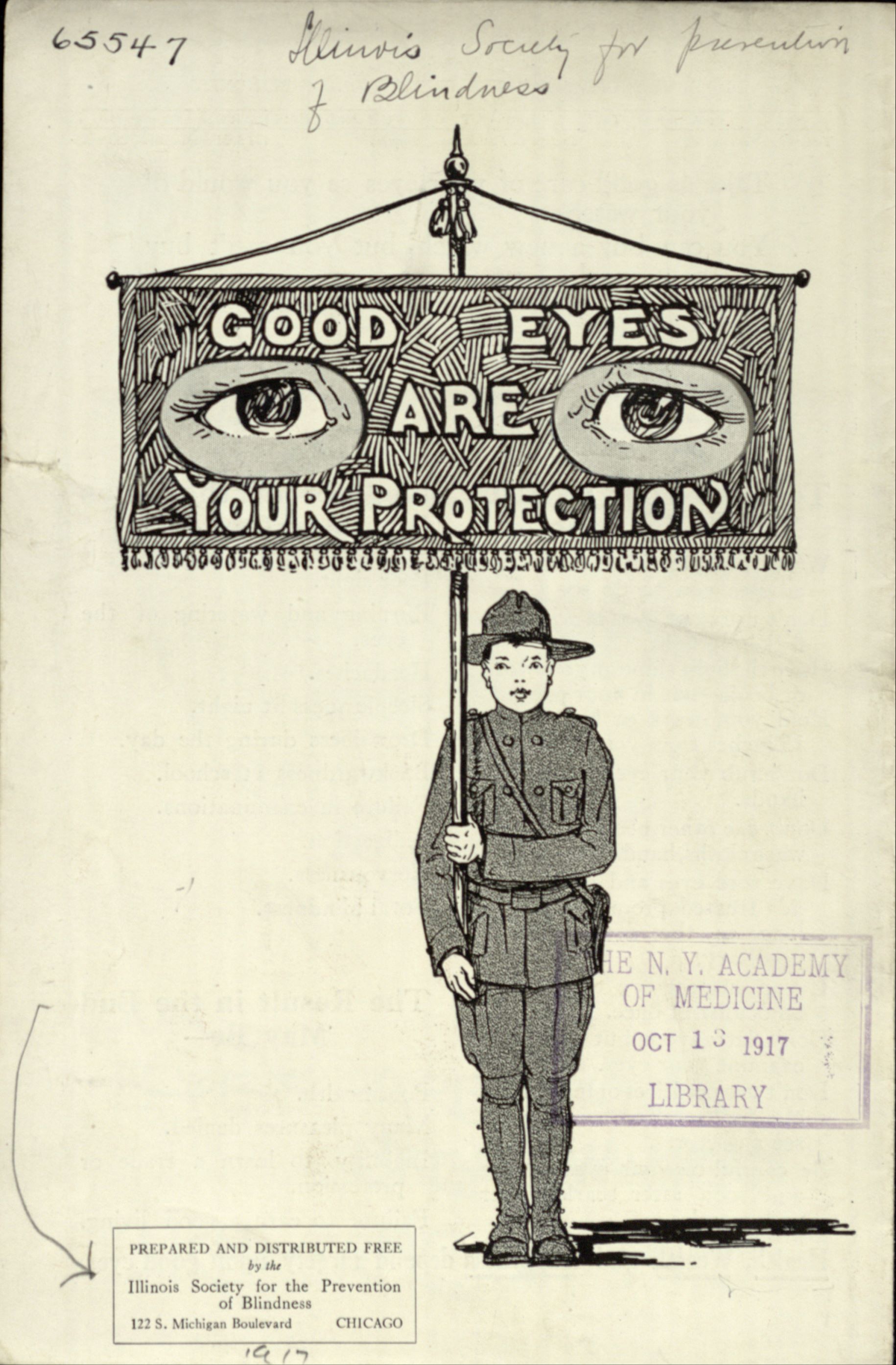
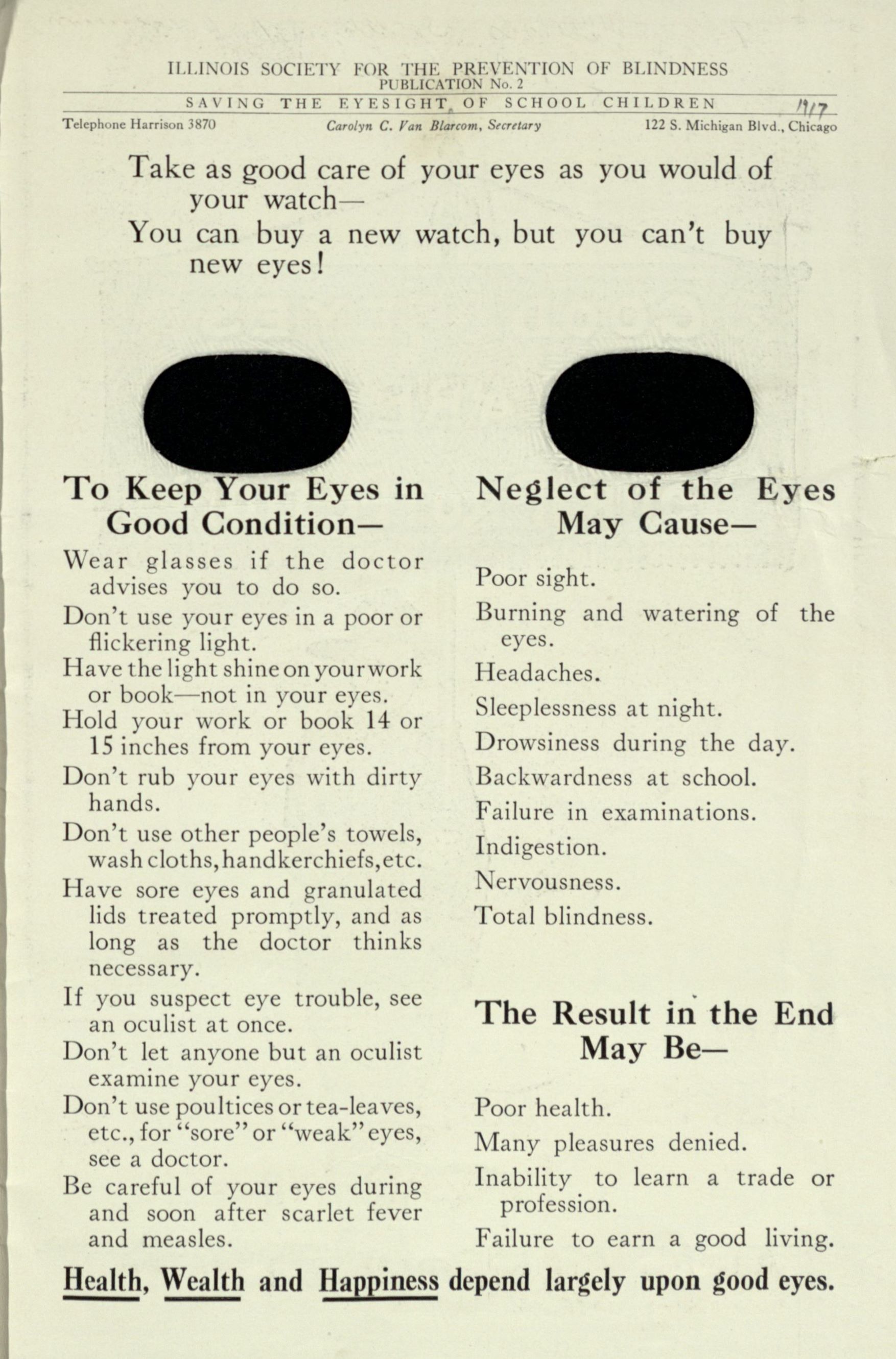
goodeyesareyourprotection“Wear glasses if the doctor advises you to do so.” “Don’t rub your eyes with dirty hands.” “If you suspect eye trouble, see an oculist at once.” This sound advice comes from a 1917 trifold leaflet aimed at school children and published by the Illinois Society for the Prevention of Blindness (ISPB), which was founded in 1916.
breadwinnersWhile the pamphlet contains helpful recommendations on eye health, the illustrations and design are particularly charming. Eyes peer out from the sign on the front cover, but we discover that those eyes belong to a boy in spectacles on the page beneath and the sign has cut outs. The eye holes must have been irresistible to children and are surrounded by guidelines for healthy eyes.

healthwealthhappiness

Click to enlarge.

The pamphlet stresses that proper eye care beginning in childhood confers life-long benefits, especially in a cartoon comparing two couples from an eye screening in childhood through old age. The pair that cares for their eyes flourishes in life, excelling in academics, extracurricular activities, and, in the case of the man, his profession. The other couple is plagued with nervousness and headaches, and both have trouble with work. While the pamphlet is aimed at children, the lesson is for parents as well. In her old age, the content woman is grateful to her mother for getting her the eye care she needed, while the unfortunate pair’s parents had dismissed the eye examiners’ recommendations.

goodcareorneglect

Click to enlarge.

And for anyone who might need further convincing, the Society contrasts good sight and bad sight in black and white.

goodsightpoorsight

In his landmark book, The Evolution and Significance of the Modern Public Health Campaign, published in 1923, C-E. A. Winslow asserts that education and changed behavior are central to modern public health efforts.  He says, “the fight must be won, not by the construction of public works, but by the conduct of the individual life.” In this pamphlet, the ISPB is clearly appealing to individuals, encouraging them to choose good care over neglect, preventing the difficulties in life caused by blindness and eye disease.

Almost a century after the publication of “Good eyes are your protection,” the ISPB still exists and maintains a website. While their efforts seem more expansive, consisting of education, research and programs, the organization remains “dedicated to the care, protection, and preservation of sight.”