At the Crossroads of Art and Medicine

By Anne Garner, Curator, Center for the History of Medicine and Public Health

Our collections have always reflected the strong relationship between medicine and visual culture. Accordingly, since its creation in 2012 our blog has frequently taken up the intersection between medicine and art as subject. Below, we link below to a few posts that explore these crucial connections.

Most recently, Caitlin Dover featured The New York Academy of Medicine’s collections of illustrated medical books on the Guggenheim’s blog in “Doctors Without Borders: Exploring Connections Between Art and Medicine.” Her findings are in part the fruit of a visit with the Academy’s Historical Collections Librarian Arlene Shaner, who showed her a selection of books and ephemera from our Drs. Barry and Bobbi Coller Rare Book Reading Room, showcasing the connection between physicians and artwork.

Robert Latou Dickinson sketch of the Rare Book Room on its opening in 1933, from the Academy's Annual Report, 1933

Robert Latou Dickinson sketch of the Rare Book Room on its opening in 1933, from the Academy’s Annual Report, 1933.

Our extensive collection of anatomical atlases demonstrates the close relationships of physicians and artists, who frequently collaborated to create works both for students of medicine and of art. These atlases show both the successes and failures of collaborations between anatomists and artists who worked together to communicate new medical knowledge. For Vesalius, the collaboration was a great success. In a guest post from 2015, our 2014–2015 Helfand Research Fellow Laura Robson discusses the way Andreas Vesalius’ great milestone work of 1543, De Humani Corporis Fabrica, relies on the synergy between plates and text, and how a later work that uses the Vesalian plates suffers when the anatomist’s text is eliminated. Another guest post by New York physician Jeffrey Levine explores the visual imagery of Vesalius’ famous frontispiece of this same work. Other writers use illustration to signal authority and knowledge. A 2015 post on Walther Ryff explores the ways that Ryff’s use of the counterfeit style in his illustrations implied eye-witness discovery.
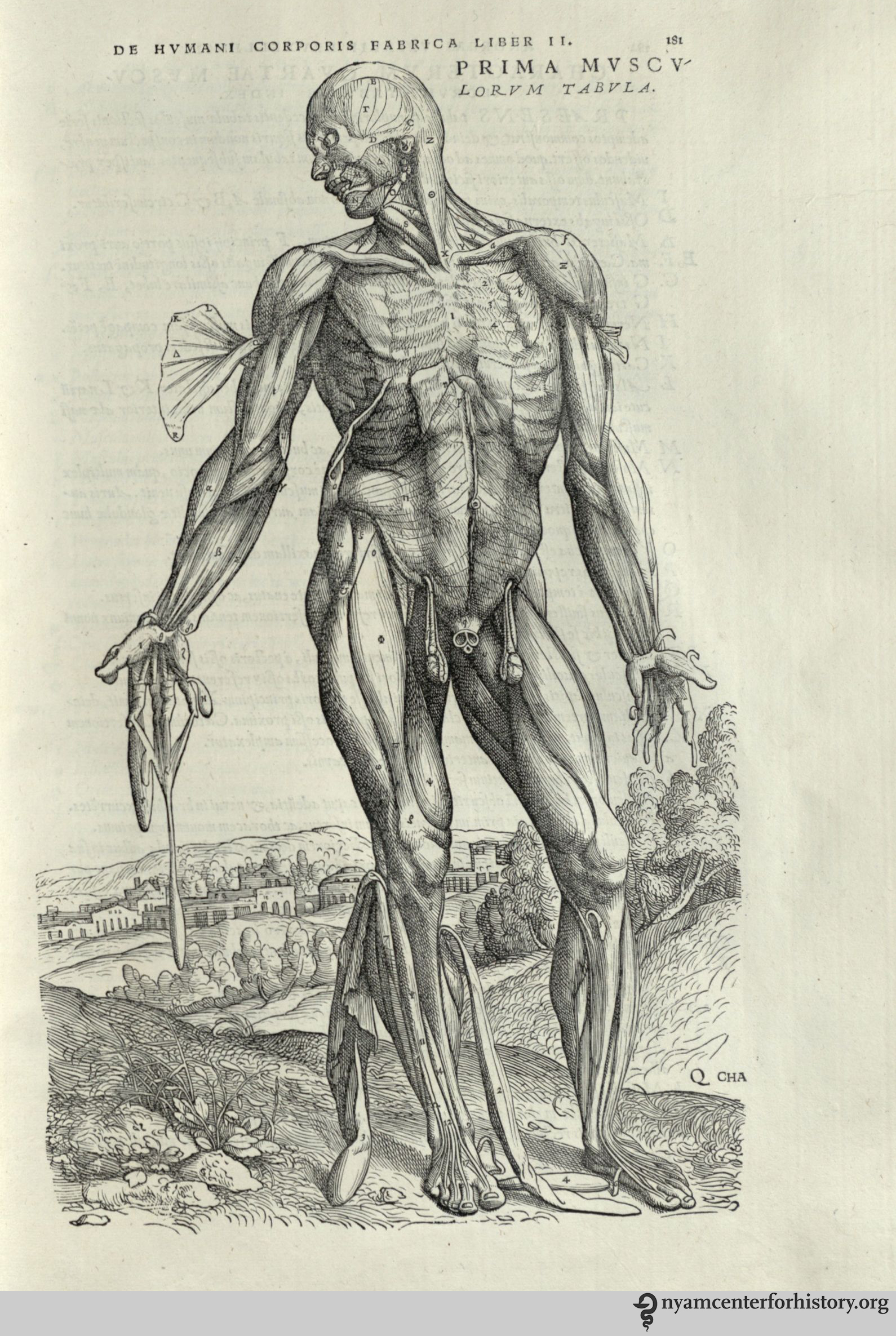
Andreas Vesalius (1514-1564). De humani corporis fabrica libri septum. Basel: Johannes Oporinus, 1543. The most famous illustrations are the series of fourteen muscle men, progressively dissected. Some figures, such as this one, are flayed. Hanging the muscles and tendons from the body afforded greater detail, not only showing the parts, but how they fit together.

Andreas Vesalius (1514-1564). De humani corporis fabrica libri septum. Basel: Johannes Oporinus, 1543.

Our 2014 festival Art, Anatomy and the Body: Vesalius at 500 offered ample opportunity for critical thinking about the relationship between art and the body. Guest curator and visual artist Riva Lehrer describes her personal experience of the ways the body informs identity, and how that has shaped her own work as an artist in a 2014 post. A selection of images from several of our early anatomical atlases are featured in “Brains, Brawn and Beauty,” an exhibit that accompanied the festival, and are discussed here.

Finally, two posts on skeleton imagery highlight the tradition of danse macabre imagery in anatomical illustrations. Brandy Shillace’s guest post, “Naissance Macabre: Birth, Death, and Female Anatomy” examines depictions of the female body over time. For a look at the evolution of anatomical imagery with special attention to the tradition of portraying the human skeleton in vivo, visit our blog here. You’ll find a slide show hosted by Flavorwire featuring spectacular anatomical images from our collections.

Surgite mortui, et venite ad judicium (Arise, ye dead, and come to the judgment). Table 6. Click to enlarge.

Surgite mortui, et venite ad judicium (Arise, ye dead, and come to the judgment). Table 6. Click to enlarge.

Next month, the New York Academy of Medicine library will be undertaking an artistic project of our own. Capitalizing on the current coloring craze, we are starting a week-long special collections coloring celebration on social media, using the hashtag #ColorOurCollections. We’ll share images from our collections, as will friends at other institutions. We encourage you to color them, and share your colored copies on social media. Read more about how you or your institution can participate.

CamelColored

Coloring a camel from Conrad Gesner’s Historia Animalium, Liber I, 1551.

Reasons to Ride Like Lady Mary

By Anne Garner, Curator, Center for the History of Medicine and Public Health

In the first episode of the final season of Downton Abbey, Lady Mary Crawley tells her father that riding astride a horse is safer than riding side-saddle. Safer, natch. Could it also be healthier?

Lady Mary Crawley riding astride.

Lady Mary Crawley riding astride.

An article in a 1911 issue of The Journal of Scientific Training suggests it just might be. In “Riding, Cross-Seat and Side-Seat Compared,” B. Stedman says that riding astride requires significantly greater muscular engagement than riding side-saddle.1 The 19th-century New York physician Ghislani Durant suggests that this greater muscular engagement has a number of positive health outcomes.

Cover detail of Durant's Horse Back Riding from a Medical Point of View, 1878.

Cover detail of Durant’s Horse Back Riding from a Medical Point of View, 1878.

In his book, Horse Back Riding from a Medical Point of View, Durant writes that chief among the benefits of riding is its capacity to strengthen muscles. By bringing the greatest number of muscles into use, riding also improves and facilitates blood circulation.2 Another American source, Dr. Pancoast’s Ladies’ New Medical Guide, concurs. The guide links the increased muscle use of “sanitary and recreative riding” to strength and more efficient circulation.3

The cover of Pancoast's The Ladies' New Medical Guide, 1890.

The cover of Pancoast’s The Ladies’ New Medical Guide, 1890.

Whether sidesaddle or astride, Durant believed that the overall benefits of horseback riding were numerous.

Durant writes that practice of riding aids digestion and “makes the bits go down”:

Each shock from the horse shakes them and makes them to roll as it were upon each other, and causes the changes in the relations of the convolutions of the intestines. These shocks and knocks and rubbings act as a mechanical excitant upon the muscular fibre…there results from it a more intimate mixture of the juices and aliments in the stomach, a more perfect chymification of the food, and a more prompt and complete absorption of matters already digested…4

Durant also asserts that different gaits—walking, trotting, galloping—produce different physiological results. In his section on “Secretions,” for example, Durant notes that trotting is more likely to produce sweat than any other gait.5

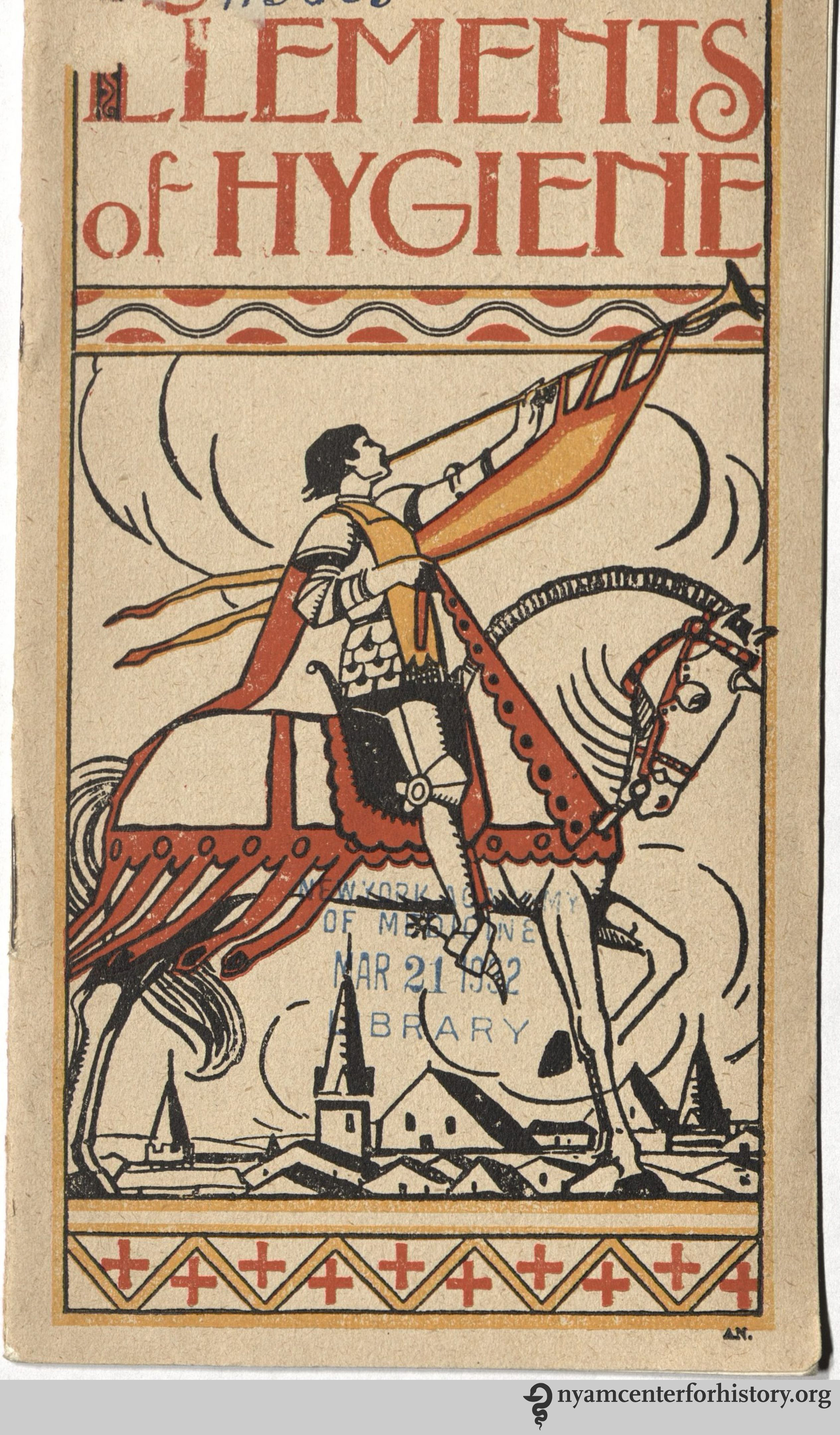
Horseback rider on the cover of Elements of Hygiene, circa 1921.
Horseback rider on the cover of Elements of Hygiene, circa 1921.

There’s also hope for hypochondriacs (here, described as usually male) and hysterics (usually female). The hypochondriac is urged to ride “an easy-gaited animal” first thing in the morning at a canter, with the caution that the patient stop before the point of fatigue. The result: the hypochondriac gains confidence in his strength, improves digestion and reduces flatulence, here identified as a frequent accompaniment to the disease.6 For the hysteric, writes Durant, the regime of outdoor exercise offers a valuable distraction from the “affections and passions, more intense and less restrained than in man.”7

If you suffer from another affliction not yet described, take heart! Durant argues for horseback riding as a treatment for many other maladies—including anemia, syphilis, and St. Vitus’ Dance.

Durant wasn’t the only New York physician in the late-19th century to champion the curative properties of riding. The prominent New York physician Frank Hastings Hamilton read a paper here at the Academy in 1880, arguing for horseback riding as a remedy for chronic cystitis and for other chronic inflammations.

Though many of his case studies use men, he also argues the pastime has rewards for women. Hamilton suggested that the saddle might lift a chronically inflamed, congested, and “falling uterus” (though presumably not a side-saddle, another win for Lady Mary’s argument against this practice).8

References

1. Stedman, B. “Riding, Cross-Seat and Side-Seat Compared.” The Journal of Scientific Training. Volume 4 (1911): pp.21-22. Accessed online January 6, 2016 at http://bit.ly/1PfstbH.

2. Durant, Ghislani. Horseback Riding from a Medical Point of View. New York: Cassell, 1878.

3. Pancoast, Seth. The Ladies’ New Medical Guide. Philadelphia: n.p. [1890].

4. Durant, pp. 54-55.

5. Durant, p. 63.

6. Durant, p. 86-87.

7. Durant, p. 89. Interestingly, the final section of Durant’s work offers—groan—a horse of another color?  Beginning with the mythological Dactyli of Greek legend, Durant offers a detailed literary account of horse and chariot-racing, spanning the classical era through Sir Walter Scott’s Ivanhoe. Perhaps horse riding paid a key role in whipping the young Herakles into shape for all those labors.

8. Hamilton, Frank H. “The Horse and Saddle. A ‘New Remedy’ for Chronic Cystitis, and for other Chronic Inflammations.” Read before the New York Academy of Medicine, May 20, 1880.

Contemplating Starlight from the Comfort of Your Bed

By Johanna Goldberg, Information Services Librarian

For many centuries, people believed that disease came from dangerous, miasmic night air—the word “malaria” literally means “bad air.” But with the discoveries of true disease causes (malarial mosquitoes, tubercular and other bacteria), people began seeing exposure to fresh air as beneficial rather than detrimental. By the late 19th century, doctors recommended that their patients sleep exposed to the outdoors.1,2

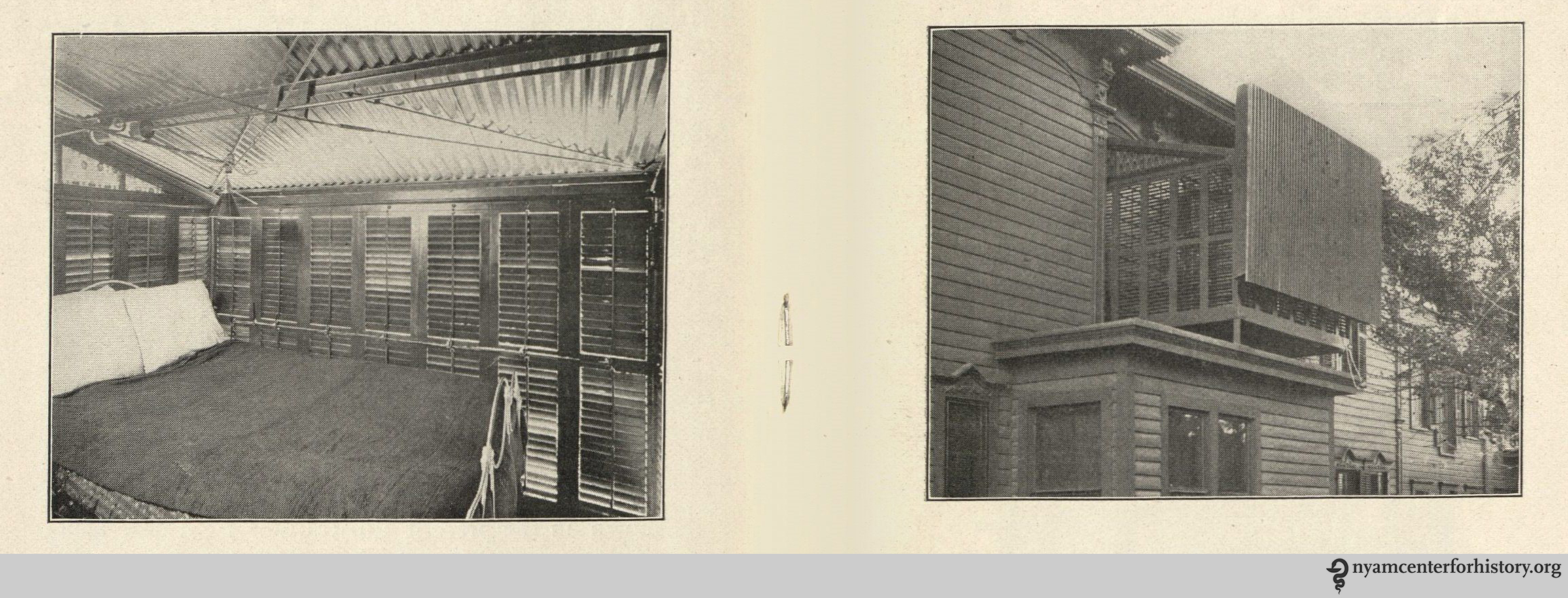
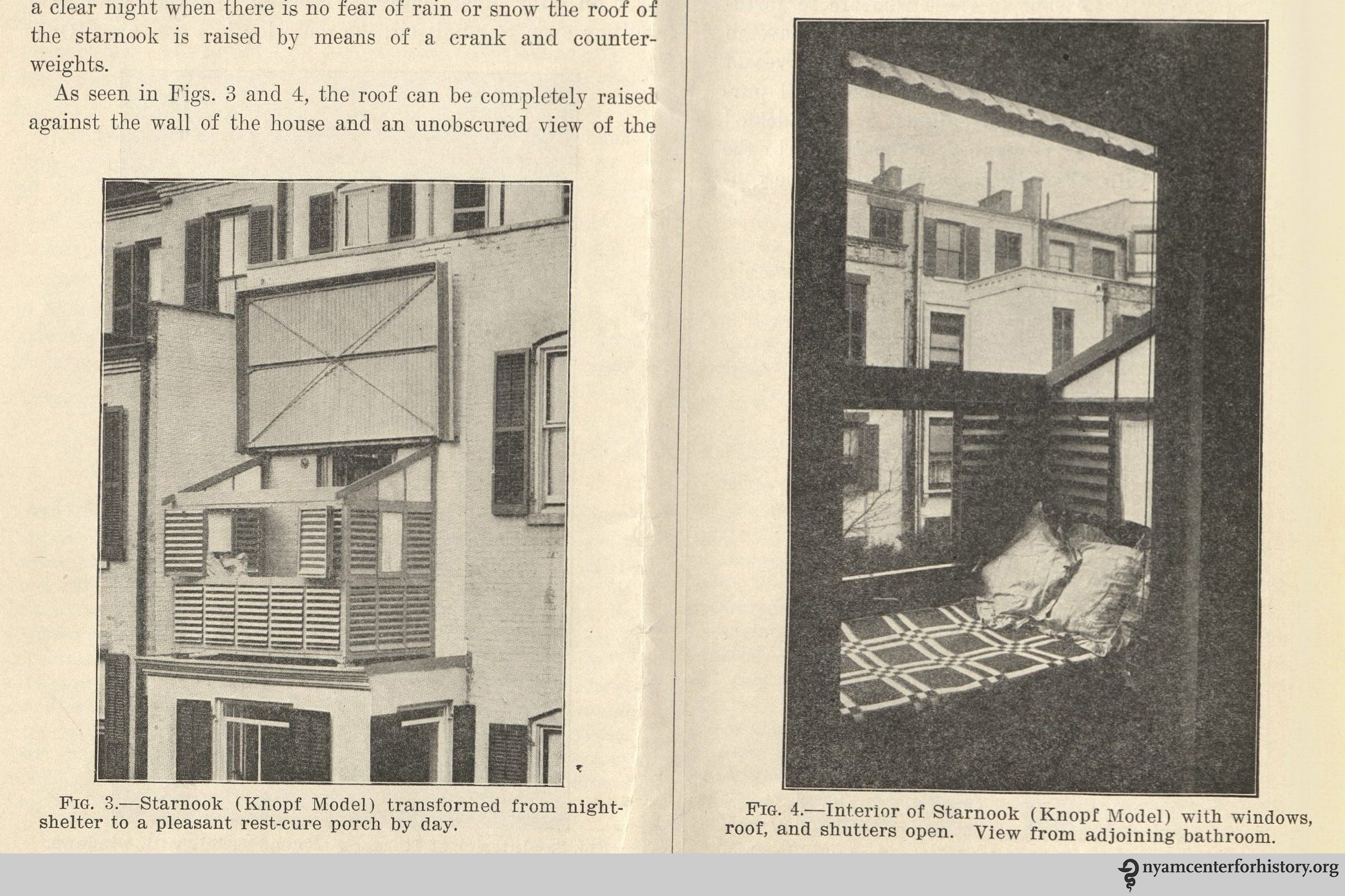
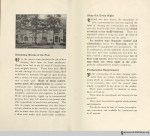
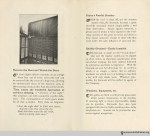
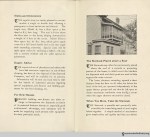
The pamphlet The Starnook: A Call to the Open, published by the Starnook Company circa 1910, answers this call for fresh air by supplying a product. The Starnook could be attached to any exterior building wall to create a ventilated sleeping space, big enough for a single or double bed. Its metal shutter walls could open or shut depending on the weather, as could two sections of its wood slat floors. It offered a “balanced removable roof” that could be raised or lowered through a pulley system, allowing customers to experience “the contemplation of starlit space.”3

Left: The inside of the Starnook with shutters and roof closed. Right: The Starnook seen from outside, with roof open. Images on pages 6 and 7 of The Starnok. Click to enlarge.

Left: The inside of the Starnook with shutters and roof closed. Right: The Starnook seen from outside, with roof open. Images on pages 6 and 7 of The Starnook: A Call to the Open. Click to enlarge.

The company wrote:

“He who sleeps out of doors is supplied with an abundance of oxygen-laden air, Nature’s own restorative for tired nerves. This abundance of pure air, which mankind so vitally needs for perfect health, can be secured by the majority of people in no other way with so little exertion as by sleeping in the open.”

The Starnook had applications for both the healthy and the sick. In the early 20th century, exposure to fresh air was seen as key to treating tuberculosis, then a leading cause of death in America.2 The Starnook served as an alternative to traveling to a sanatorium for treatment.

In publications like John Hopkins Hospital Bulletin,4 The New York Medical Journal,5 and the book Tuberculosis as a Disease of the Masses and How to Combat It,6 Dr. S. Adolphus Knopf, a noted and pioneering tuberculosis researcher,7 sang the Starnook’s praises:

“In presenting this new device to the profession and the public, the inventors trust to have been in a measure helpful not only in solving the problem of outdoor sleeping and outdoor resting for the tuberculous in cities, but also to have given opportunity to other sufferers to recuperate, and to the well and strong to enjoy constant fresh air, at least at night, and enable them to be more frequently in touch with nature than is granted to most city dwellers.”4

Dr. Knopf turned himself into the Starnook’s leading spokesperson. He had one installed at his home, presumably in New York City:

“I have slept in my starnook since October, 1910, and never have I had more peaceful nights, more sound and more refreshing sleep. To lie outstretched in the warm bed, breathing constantly the pure, fresh air, to be able to gaze at the beautiful sky, and watch the starry constellations without any effort, is a sensation which must be felt, for it cannot be described. I am inclined to believe that the most restless and nervous person will soon fall asleep in a quiet starnook.”4

Dr. Knopf's open Starnook.

Dr. Knopf’s open Starnook. In: Johns Hopkins Hospital Bulletin 1911;22(246), page 302. Click to enlarge.

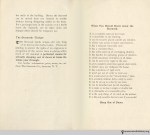
Enjoy the pamphlet in full, below. Perhaps you will become as strong an admirer of the Starnook as Dr. Knopf.

Click an image to view the gallery:

References

1. Hailey C. From Sleeping Porch to Sleeping Machine: Inverting Traditions of Fresh Air in North America. Tradit Settlements Dwellings Rev. 2009;20(9):27–44. Available at: http://iaste.berkeley.edu/pdfs/20.2d-Spr09hailey-sml.pdf. Accessed December 22, 2015.

2. National Library of Medicine. Visual Culture and Public Health Posters – Infectious Disease – Tuberculosis. 2011. Available at: https://www.nlm.nih.gov/exhibition/visualculture/tuberculosis.html. Accessed December 22, 2015.

3. A call to the open sleep under the stars: a delightful health-giving experience to be gained by the use of the Starnook, an attractive open-air bedroom attachable outside any window for use every night in the year. Syracuse: The Starnook Company; 1910. Note that this is the title page title. For the sake of brevity, the cover title is used throughout the text.

4. Knopf SA. The Starnook – a new device for the rest cure in the open air and for outdoor sleeping. Johns Hopkins Hosp Bull. 1911;22(246):301–303. Available at: https://books.google.com/books?id=XcwyAQAAMAAJ&pgis=1. Accessed December 17, 2015.

5. Knopf SA. The Starnook and the window tent; two devices for the rest cure in the open air and for outdoor sleeping. New York Med J. 1911;93(16):761–765. Available at: https://books.google.com/books?id=Z3Y4AQAAMAAJ&pgis=1. Accessed December 22, 2015.

6. Knopf SA. Tuberculosis as a disease of the masses and how to combat it. 7th ed. New York: The Survey; 1911. Available at: https://books.google.com/books?id=5VE5AQAAMAAJ&pgis=1. Accessed December 22, 2015.

7. Reyes A. Finding Aid to the Sigard Adolphus Knopf Papers, 1879-1940. 2004. Available at: http://oculus.nlm.nih.gov/cgi/f/findaid/findaid-idx?c=nlmfindaid;idno=knopf;view=reslist;didno=knopf;subview=standard;focusrgn=bioghist;cc=nlmfindaid;byte=19744711. Accessed December 22, 2015.

Counterfeiting Bodies: Examining the Work of Walther Ryff

By Anne Garner, Curator, Center for the History of Medicine and Public Health

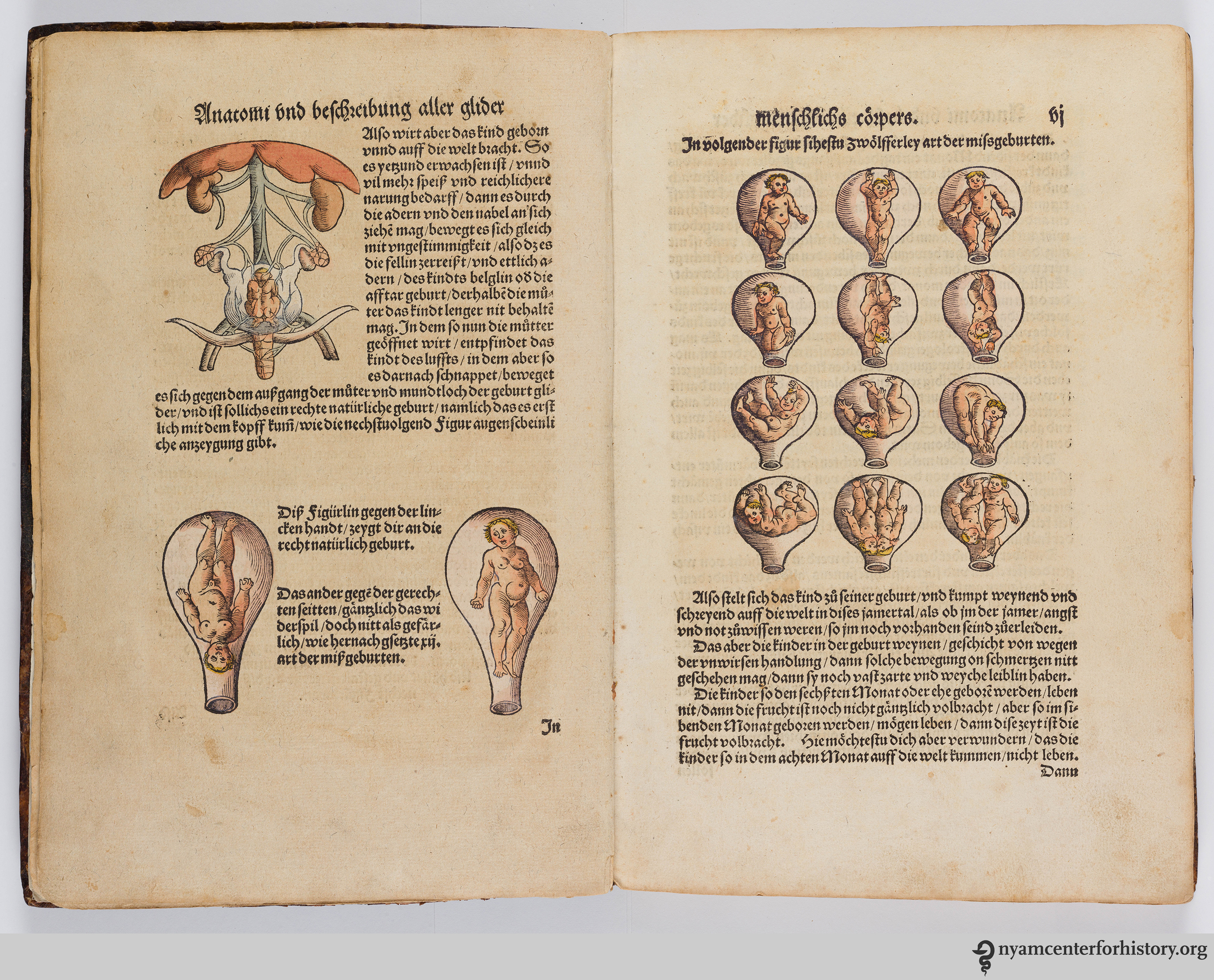
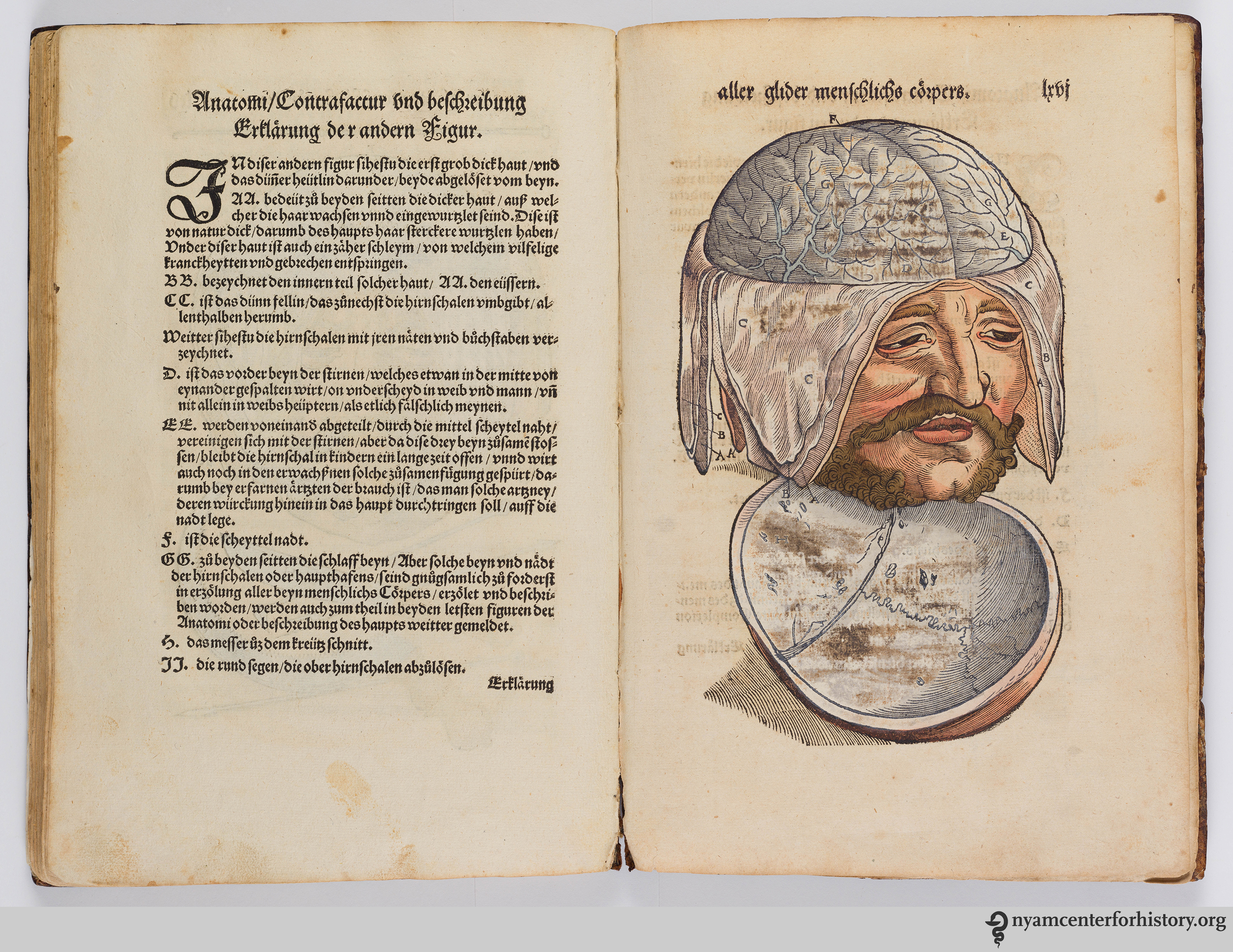
The surgeon Walther Hermann Ryff worked in Strasbourg in the early 16th century. A prolific author, he wrote as many as 65 works on diverse subjects, including architecture, poisons, cookbooks, herbal remedies, obstetrics and mathematics.1 The author’s best known work, Des aller furtrefflichsten, hoechsten und adelichsten Gschoepffs aller Creaturen, was published in Strasbourg in 1541, just two years before the publication of Vesalius’ ground-breaking Fabrica.

Plate 1 of Ryff's Des aller furtrefflichsten, hoechsten und adelichsten Gschoepffs aller Creaturen (1541)

Plate 1 of Ryff’s Des aller furtrefflichsten, hoechsten und adelichsten Gschoepffs aller Creaturen (1541). Click to enlarge.

The text compiles Ryff’s lectures in anatomy and physiology and 42 beautifully hand-colored woodcuts, compiled from a number of Renaissance sources. These images, mostly of bodies or partially dissected bodies, offer what scholar Alexander Marr describes as an immediate “rhetoric of authenticity.”2 Depicted in the counterfeit style, a type of representation common in the 16th century in Northern Europe, the illustrations in this book would have implied first-hand knowledge and discovery. The captions for plates produced in this style used the word “counterfeit” (above, contrafactur) to assert their accuracy as true representations. In this way, Ryff’s book positioned itself as a credible description of anatomy (though its illustrations were far from anatomically precise).

Little is known about Ryff’s training. He seems to have studied pharmacy in Basel, and absorbed much of his considerable medical knowledge by travelling through Europe. He was a successful author, frequently sought after by publishers. Among his peer group of writers, however, he would not have won any popularity contests. To the Swiss scientist Albrecht von Haller, he was a “compiler and polygraph of dubious morals,” and to Vesalius, simply, “the Strasbourg plagiarist.” Leonard Fuchs, the great botanist, whose work was reprinted in Ryff’s name twice, called him an “extremely outrageous, reckless, fraudulent writer.”3 The grounds for their complaints are easily recognizable by examining this volume, which lifts images from Vesalius’s Tabulae Sex (1538), from Eucharius Rösslin’s Der Rosengarten (1513), and from the anatomies of Johannes Dryander (1536), Jacapo Berengario da Carpi (1522), and Lorenz Fries (1518).

Plate 2 Ryff's Des aller furtrefflichsten, hoechsten und adelichsten Gschoepffs aller Creaturen (1541). Images originally from Rösslin’s Der Rosengarten (1513). Click to enlarge.

Plate 2 Ryff’s Des aller furtrefflichsten, hoechsten und adelichsten Gschoepffs aller Creaturen (1541). Images originally from Rösslin’s Der Rosengarten (1513). Click to enlarge.

Plate 3 Ryff's Des aller furtrefflichsten, hoechsten und adelichsten Gschoepffs aller Creaturen (1541). Image originally from Dryander (1536). Click to enlarge.

Plate 3 Ryff’s Des aller furtrefflichsten, hoechsten und adelichsten Gschoepffs aller Creaturen (1541). Image originally from Dryander (1536). Click to enlarge.

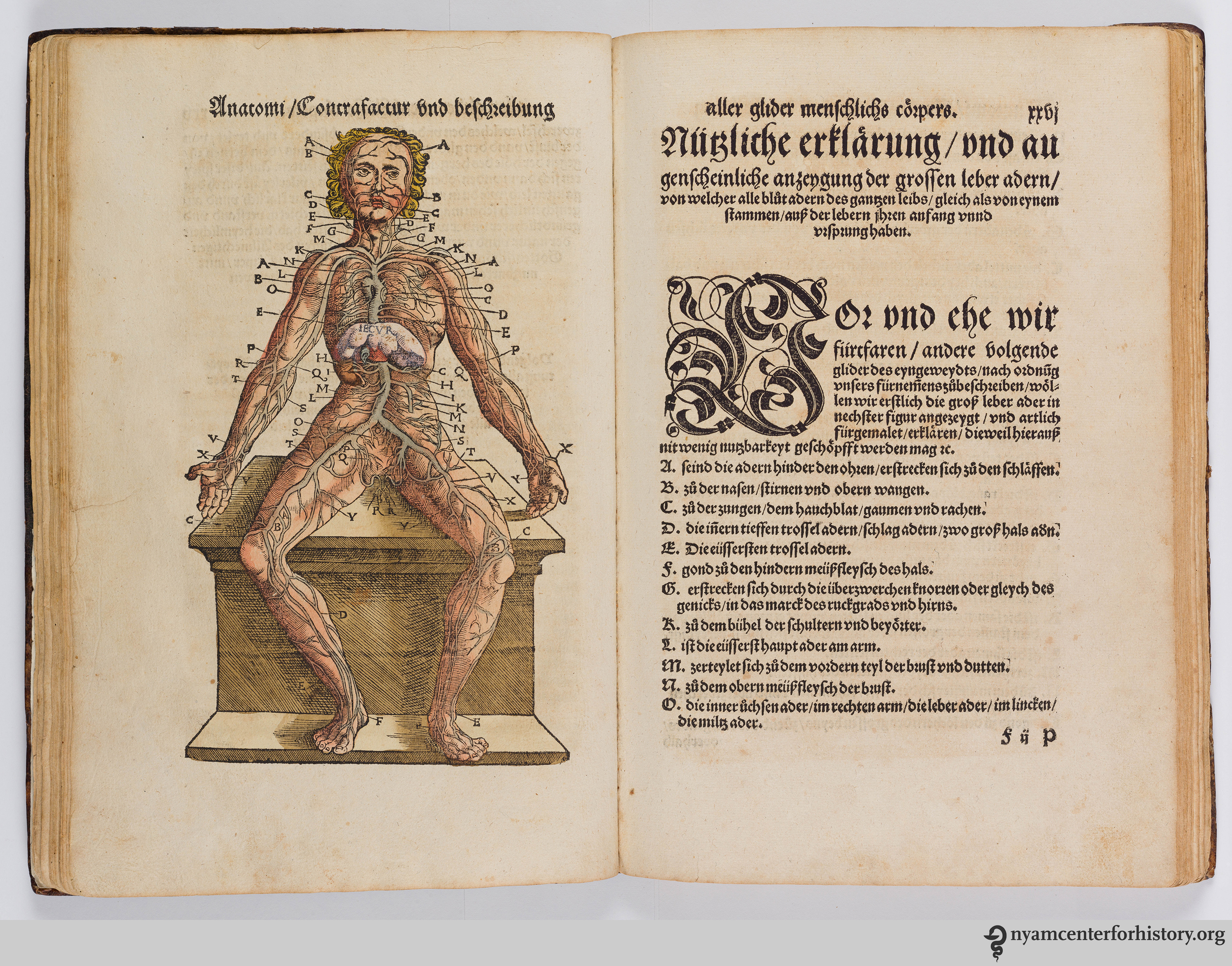
Ryff’s defenders have argued that what today would be regarded as blatant plagiarism was more in keeping with Enlightenment practices of recycling intellectual property. Even so, his appropriations seem to have gone too far in the minds of his peers. In some cases, he modified the images, improving them. The Fries figures were repositioned, and seated on a bench. The Vesalian plates showing the arteries and veins, now beautifully hand-colored, were superimposed on seated outlines of figures, which clarified the position of the vessels in the body.

Plate 4 of Ryff's Des aller furtrefflichsten, hoechsten und adelichsten Gschoepffs aller Creaturen (1541)

Plate 4 of Ryff’s Des aller furtrefflichsten, hoechsten und adelichsten Gschoepffs aller Creaturen (1541). Click to enlarge.

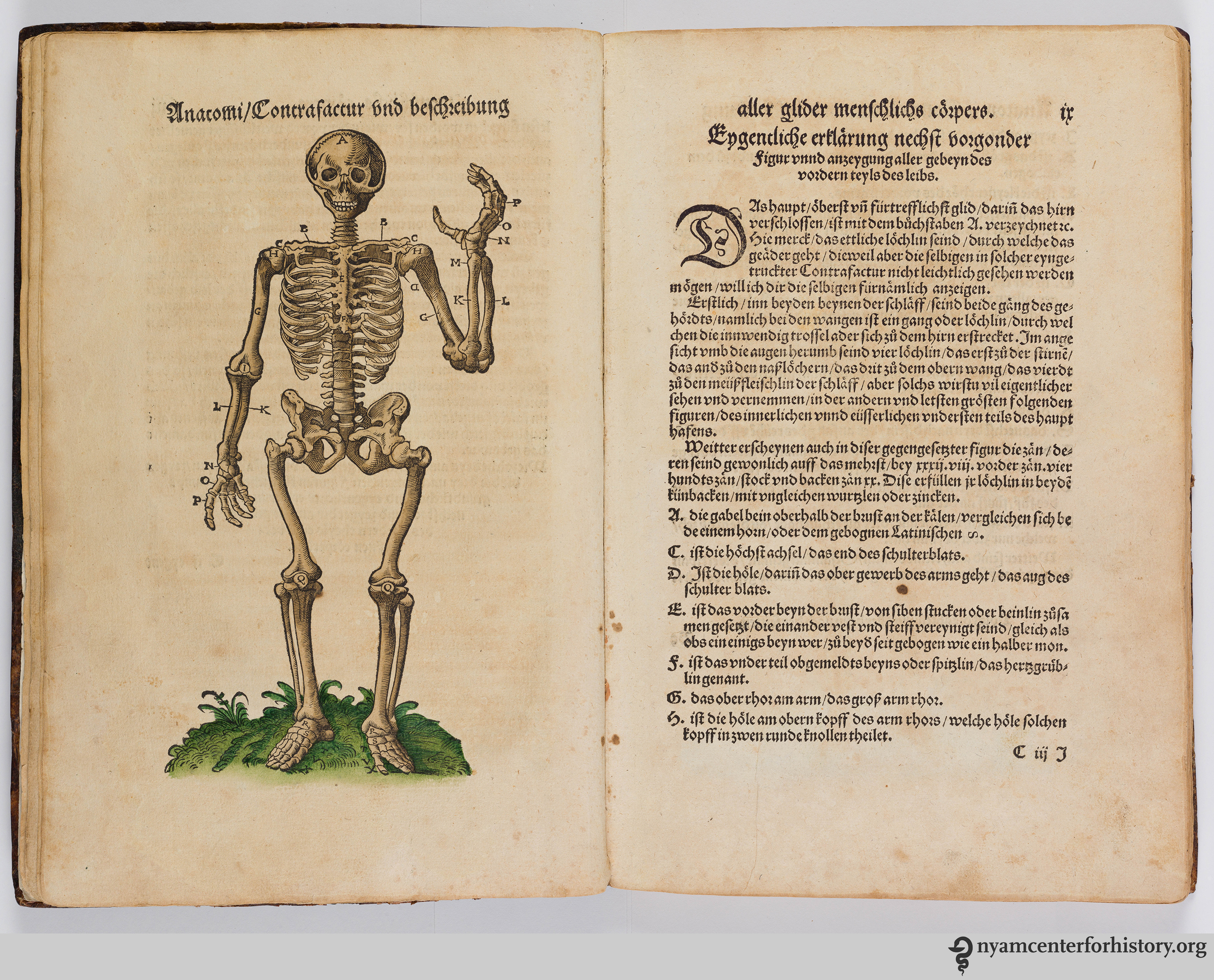
Vesalius’ skeletons fared less well in Ryff’s possession. These were copied directly onto the wood-cut, so that the lettering and the skeletons themselves appear in reverse. The skeletons are depicted with an inadequate number of vertebrate and ribs, and are shown in inferior proportions.

Modified Vesalian skeleton in Ryff's Des aller furtrefflichsten, hoechsten und adelichsten Gschoepffs aller Creaturen (1541)

Modified Vesalian skeleton in Ryff’s Des aller furtrefflichsten, hoechsten und adelichsten Gschoepffs aller Creaturen (1541). Click to enlarge.

Modified Vesalian skeleton in Ryff's Des aller furtrefflichsten, hoechsten und adelichsten Gschoepffs aller Creaturen (1541)

Modified Vesalian skeleton in Ryff’s Des aller furtrefflichsten, hoechsten und adelichsten Gschoepffs aller Creaturen (1541). Click to enlarge.

Ryff directed his 1541 book at the ‘gemeine,’ or common man; it’s composition in vernacular German instead of Latin ensured it would have a wider readership. In this way, it would have been indispensable to new readers as a compilation of Renaissance knowledge about the body.

The book also offers some tantalizing evidence about early printing history. The wood-blocks for this edition were reused for a set of broadsides, issued in both German and Latin editions the same year. They then went to a Parisian printer for new editions of Ryff’s work and for a popular work on surgery.4 The reappearance of the Ryff woodcuts illustrates the practice of passing woodblocks from publisher to publisher, and shows how work published in one city continued to be published and disseminated in others.

References

1. Di Matteo, Berardo. “Art and Science in the Renaissance: The Case of Walther Hermann Ryff.” Clinical Orthopeadics and Related Research 472: 1689-1696. 2014 and Russell, K.F. Walter Hermann Ryff and His Anatomy.” The Australian and New Zealand Journal of Surgery. v.22 no. 1. 1952. pp. 66-69.

2. Marr, Alexander. “Walther Ryff, Plagiarism and Imitation in Sixteenth-Century Germany.” Print Quarterly, 31, 2014. pp 131-143.

3. Roberts, K.B. and J.D.W. Tomlinson. The Fabric of the Body. Oxford: Clarendon Press, 1992; Marr, Alexander. “Walther Ryff, Plagiarism and Imitation in Sixteenth-Century Germany.” Print Quarterly, 31, 2014. pp 131-143; Di Matteo, Berardo. “Art and Science in the Renaissance: The Case of Walther Hermann Ryff.” Clinical Orthopeadics and Related Research 472: 1691.

4. K.B. Roberts and J.D.W. Tomlinson. The Fabric of the Body. Oxford: Clarendon Press, 1992.

Living in the Land of Health

By Danielle Aloia, Special Projects Librarian

As children we learn the basics of hygiene, but as adults sometimes we forget how to keep our bodies strong and healthy. The 1922 children’s book The Land of Health teaches how to stay healthy and prevent the spread of disease through a series of stories, culminating in the tale of how children Tom and Sally become full citizens of the Land of Health. It’s one of a number of books for children in our collection.

A map of thr Land of Health. From Hallock and Winslow, The Land of Health. NY: Charles E. Merrill. 1922.

A map of the Land of Health. From Hallock and Winslow, The Land of Health. New York: Charles E. Merrill, 1922. Click to enlarge.

This book is written as a fairy tale: Dame Nature takes the children on a journey with her five helpers, Mr. Wind, Madam Rain, my Lord Sun, Sir Food, and Lady Sleep. The Christmas Carol/Alice in Wonderland mash-up shrinks the children to a size that fits into Tom’s toy village, where Dame Nature’s helpers take the children on very detailed adventures in the Land of Health. In these chapters, children, and even adults, learn (among a lot of other things) the importance of keeping clothes clean, how waste matter comes out through the skin, and what carrots are made of.

From Hallock and Winslow, The Land of Health. New York: Charles E. Merrill, 1922.

From Hallock and Winslow, The Land of Health. New York: Charles E. Merrill, 1922.

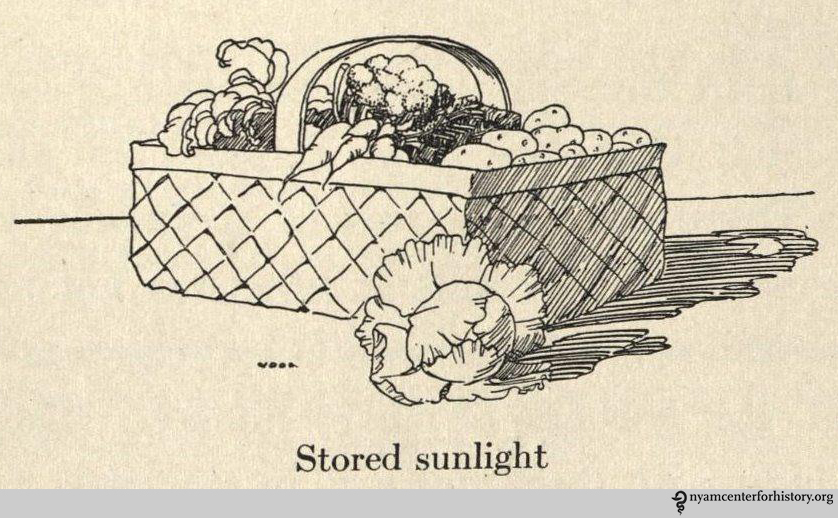
All living things need sunlight to live, vegetables store sunlight. It is this energy “that gives you the power to live and grow and move about.” From Hallock and Winslow, The Land of Health. New York: Charles E. Merrill, 1922.

All living things need sunlight to live and vegetables store sunlight. It is this energy “that gives you the power to live and grow and move about.” From Hallock and Winslow, The Land of Health. New York: Charles E. Merrill, 1922.

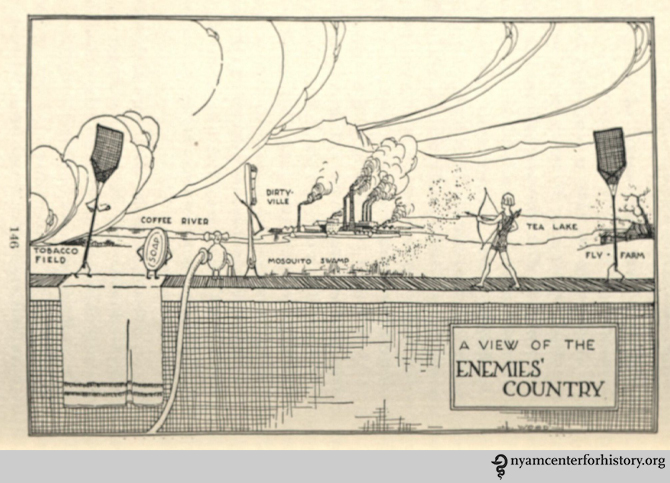
This journey reinforces that by keeping your “body castle” and your surroundings clean you can help make the world a safer place. If a germ happens to finagle its way in, the Board of Health spends its “time guarding the health of the citizens.” At the end of the journey Tom and Sally are outside the village in “Dirtyville,” where the flies live that carry the germs to the Land of Health. They learn that the best way to control their population is to cover garbage cans and clear dirt and rubbish away so they cannot breed.

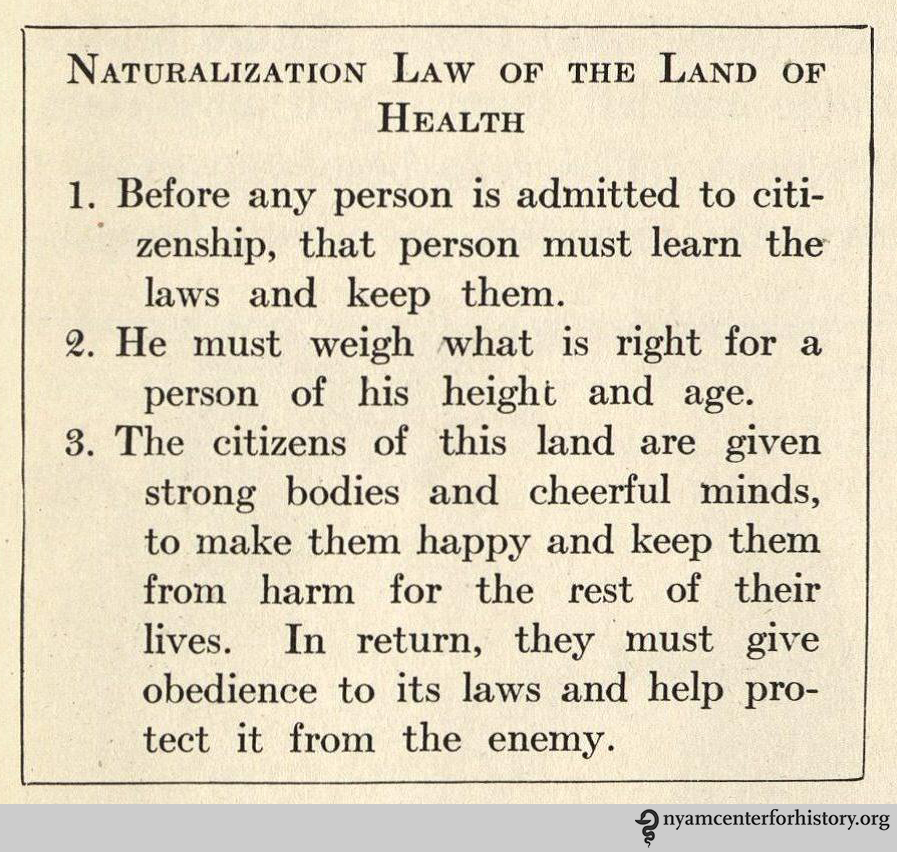
In each chapter, verses help us remember the lessons and a series of questions reinforce positive health behavior. In the end, the children must repeat these verses for Dame Nature to grant them citizenship into the Land of Health.

Some verses that stick in your head:

“I must always breathe fresh air
In rainy weather and in fair”

“Every day I must take pride
In cleaning out myself inside.”

“Coffee, alcohol, and tea,
I know are very bad for me.”

“The proper foods for me to eat
Are simple ones and clean.
A pint of milk each day I need
And vegetables green
The time to eat is during meals
And never in between.”

And questions that make you ponder:

“Make a list of the things you have eaten in the last day or two. Are you building your house of straw and sticks or of bricks?”

“Why should you wear loose clothes?”

“What does the skin do for the body?”

“Why should waste matter be cleared out of the body each morning?”

“How do your hair and fingernails show whether you take pride in your body castle?”

From Hallock and Winslow, The Land of Health. New York: Charles E. Merrill, 1922.

From Hallock and Winslow, The Land of Health. New York: Charles E. Merrill, 1922.

A child can become a full citizen of the Land of Health by following these basic tenets:

  • Breathing fresh air
  • Getting exercise
  • Standing and sitting up straight
  • Drinking four glasses of water a day
  • Bathing at least twice a week and brushing teeth three times a day
  • Eating proper foods (and never between meals)
  • Getting plenty of sun (“If you want the germs to run, / Let them see my Lord the Sun!”)
  • Wearing proper clothes
  • Sleeping 11 hours each night
  • And always being careful
From Hallock and Winslow, The Land of Health. NY: Charles E. Merrill. 1922.

From Hallock and Winslow, The Land of Health. NY: Charles E. Merrill. 1922.

Certainly, these are good rules to live by in the world today. If each of us follows these simple rules we can create a “Happy Village” in which everyone has a chance to thrive and be free from germs and disease. To do that, we need to avoid “Enemies’ Country” (which, sadly for us adults, is where all the coffee and tea lives. Maybe just adults can drink them and still live in the Land of Health?) .

 From Hallock and Winslow, The Land of Health. New York: Charles E. Merrill, 1922.

From Hallock and Winslow, The Land of Health. New York: Charles E. Merrill, 1922.

One of the book’s poetic reminders of how to stay healthy is an excellent verse for the coming cold and flu season:

“Sickness germs I must defeat,
And so I wash before I eat;
I never touch my nose or lips
With pencils coins or finger-tips
I keep away from those who sneeze,
For they may have a germ disease;
And when I cough or sneeze or sniff,
I do it in a handkerchief.”

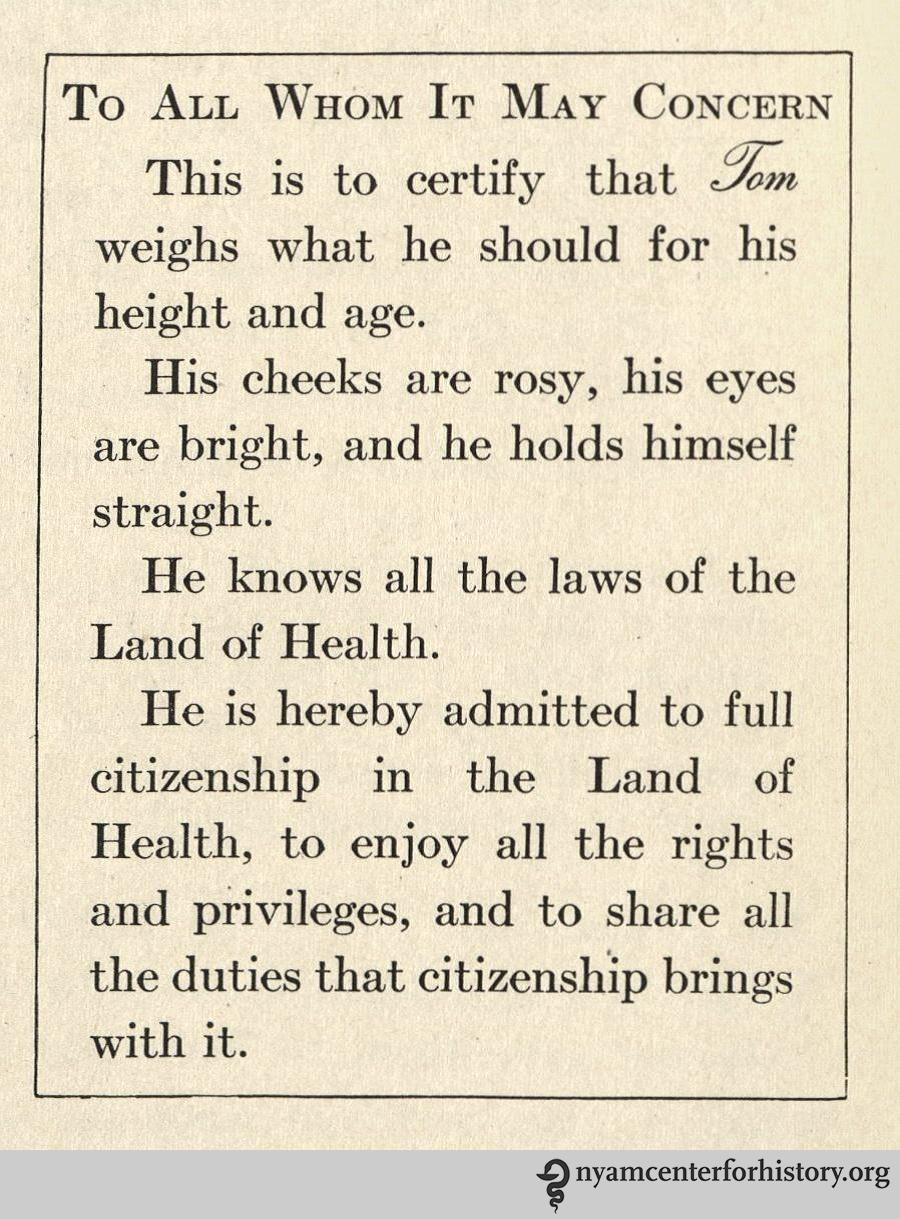
Interested in reading the whole book? It’s available online. Then take the pledge, like Tom, and become a citizen of the Land of Health yourself!

From Hallock and Winslow, The Land of Health. New York: Charles E. Merrill, 1922.

From Hallock and Winslow, The Land of Health. New York: Charles E. Merrill, 1922.

What’s Your Job? Interview with Book Conservator Christina Amato

By Christina Amato, Book and Paper Conservator, with Emily Moyer, Collections Care Assistant

The New York Academy of Medicine Library is well known for its world-class collections and serves patrons from all over the world. We strive to make our collections as visible and accessible as possible, and a lot of work goes on behind the scenes towards this end. The Gladys Brooks Book and Paper Conservation Laboratory fulfills one component of this equation, attending to the physical well-being of collections materials.

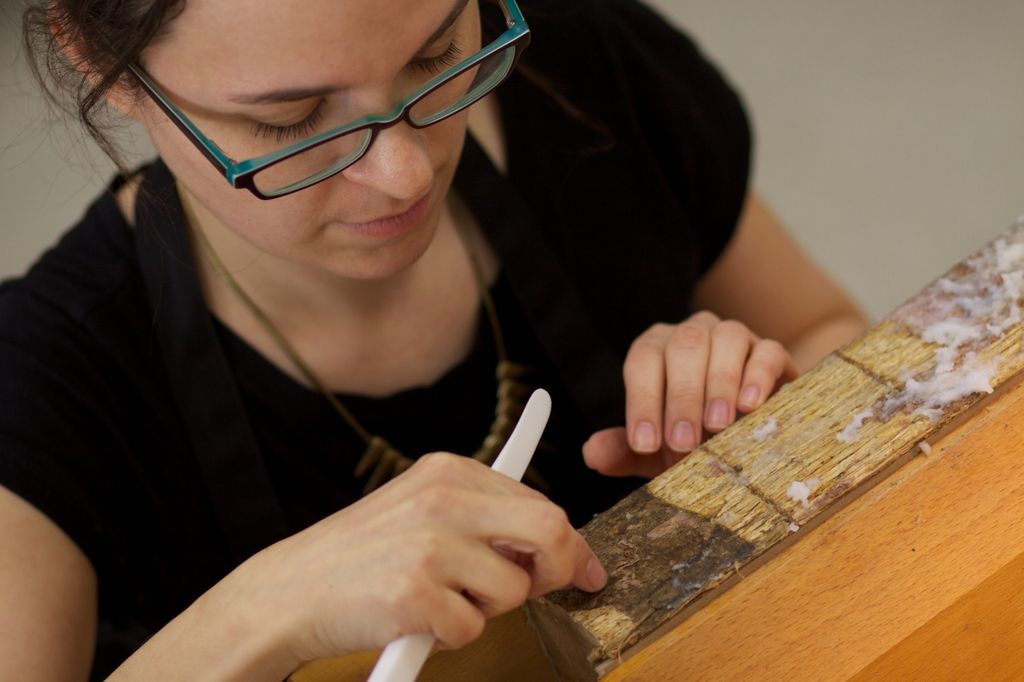
Christina Amato, cleaning old glue from the spine of a book.

Christina Amato, cleaning old glue from the spine of a book.

The Gladys Brooks Book and Paper Conservation Laboratory was created in 1982, and occupies a bright, well-equipped space overlooking Central Park. Currently, one full-time conservator and two part-time collections care assistants work to preserve the collection of over 550,000 volumes. Christina Amato has worked as a book conservator here for approximately three years. Recently, she sat down with Collections Care Assistant Emily Moyer to discuss her work.

EM: How did you get into the field of conservation?

CA: People come to the field from a variety of backgrounds, in part because conservation crosses many disciplines, including science, art history, and studio art. I come from an art background, having received my BA in studio art from Bard College. It was really through an interest in materials (specifically paper, leather, and vellum) that I became involved in bookbinding. I received a diploma in bookbinding from the North Bennet Street School in Boston, which led me to many wonderful internships in book conservation.

There are actually many different possible paths to a career in conservation. The American Institute for Conservation of Historic and Artistic Works (AIC) has compiled a guide to education and training in conservation.

E.M.: Why is conservation important?

Many books that come up to the conservation lab are too fragile to be handled by readers; our work makes these materials accessible. This is important not just for readers that come and use our collection in person, but also for preparation for digitization projects and exhibitions. Much of our work focuses on preventative care, which ensures that materials remain in good condition for current and future use. This can include rehousing (creating enclosures for materials), regulating and monitoring environmental conditions, and disaster planning and response.

E.M.: What are you working on now?

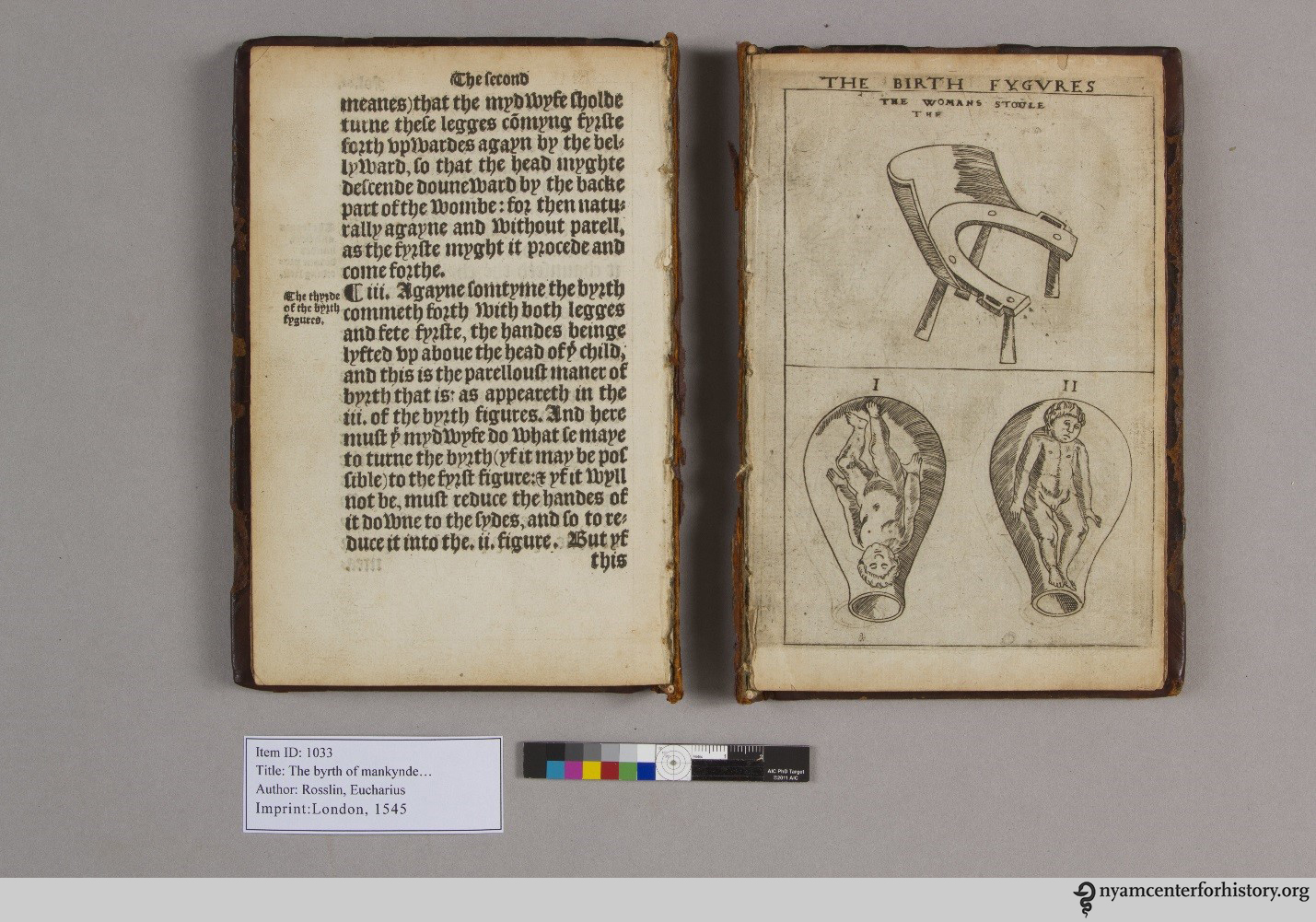
Currently I am working on a copy of The byrth of mankynde, otherwise named The womans booke, by Eucharius Rösslin, London, 1545.  The book arrived in the lab broken in half:

The byrth of mankynde, otherwise named The womans booke, before treatment.

The byrth of mankynde, otherwise named The womans booke, before treatment.

It had been subjected to several unsuccessful attempts to repair the damage over the years. Several layers of Japanese paper had been glued over the spine, and only a few small fragments of the original spine piece were left.

The byrth of mankynde, otherwise named The womans booke, before treatment.

The byrth of mankynde, otherwise named The womans booke, before treatment.

After disbanding, and mending paper tears and fragile edges throughout the text block, I carefully documented the original sewing pattern, so that I could resew it in the same way.

Next, I dyed leather to match the original binding, which I will use to recreate the spine. After it is complete, the book will receive a new, custom enclosure, and will be ready to be used again.

Leather dying in progress.

Leather dying in progress.

E.M.: What are some interesting things you’ve worked on at the Academy?

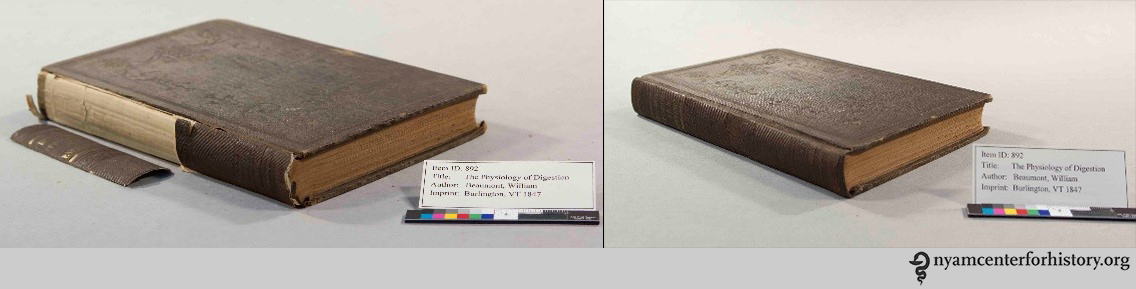
A favorite book that I worked on was a copy of The Physiology of Digestion by William Beaumont, published in Vermont in 1847. Very shortly after I finished working on it, I listened to an archived episode of the Radiolab program called Guts. Our historical collections librarian, Arlene Shaner, spoke of a small, purple, cloth-bound book about digestion; it only very slowly dawned on me that it was the very same book that was on my bench.

Before and after, The Physiology of Digestion, Beaumont, William. Vermont, 1847.

Before and after, William Beaumont’s The Physiology of Digestion, Vermont, 1847. Click to enlarge.

Another favorite was a small volume entitled Geburtshulfliche Taschen-Phantome by Koichi Shibata, published in Munchen in 1892. We were so charmed by this little obstetrics text that we recreated the movable paper baby for a public workshop.

Koichi Shibata, Geburtshulfliche Taschen-Phantome, after treatment (left). The moveable paper baby (right).

Koichi Shibata, Geburtshulfliche Taschen-Phantome, after treatment (left). The moveable paper baby (right).

E.M.: Why do you like working in conservation?

Working in conservation can be very satisfying; the outcome of our work is unusually tangible. Working to preserve materials for (and from!) future readers can be creatively challenging, and requires flexible thinking. I like that it is a profession that combines working with your hands with an intellectual component. And of course, it is very rewarding to take a book that is too fragile to be handled and render it usable again.

“She was in love with another man…” History, Heartbreak, and Hysteria in the Academy Archive (Part 2)

Earlier this week, fall archives intern Doris Straus shared highlights from the collections she processed while at the Academy. Today, she presents the rest of her discoveries.

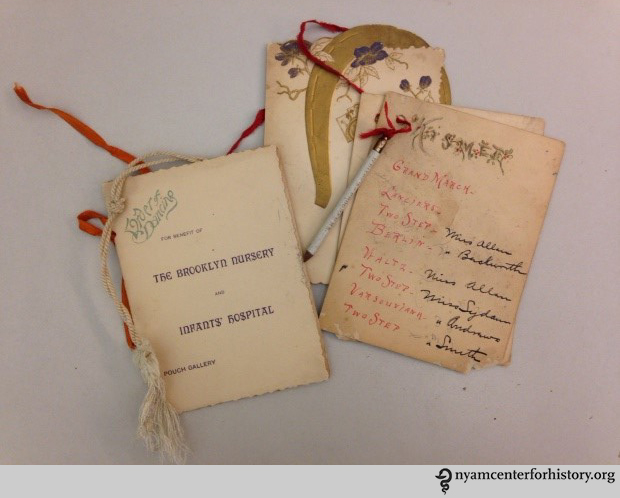
I processed the papers of Dr. Lewis Gregory Cole papers next. Dr. Cole (b. 1874), a radiologist, had an active social life during his time at Columbia College of Physicians & Surgeons. His papers (1892–1954) include a large collection of lively personal correspondence from male and female acquaintances, dance cards, wedding invitations, calling cards (mainly from female friends), and other social ephemera of the late 1890s. The correspondence from his university years and the early years of his career are a fascinating look at social interactions between young men and women at the turn of the 20th century.

Dance cards from the Cole archive.

Dance cards from the Cole papers.

There is an invitation for a bicycle ride and mention of a gift of a box of chocolates to a young lady friend, and years of correspondence from “your true chum, Joe,” who was studying at Cornell and who complains about all the weddings they have to go to. Though there is more personal correspondence here than scientific, numerous papers and correspondence relates to Dr. Cole’s work with roentgenology (radiology). A 1931 letter to Dr. Cole from a fellow radiologist at the Cleveland Clinic requests “a signed photograph of yourself for my collection of eminent radiologists.” Dr. Cole wrote two textbooks, contributed to other texts, and authored more than one hundred articles in medical journals. He also developed a table, known as the “Cole table,” for the diagnosis of duodenal ulcers.

Scientific papers in the Cole archive.

Scientific materials from the Cole papers.

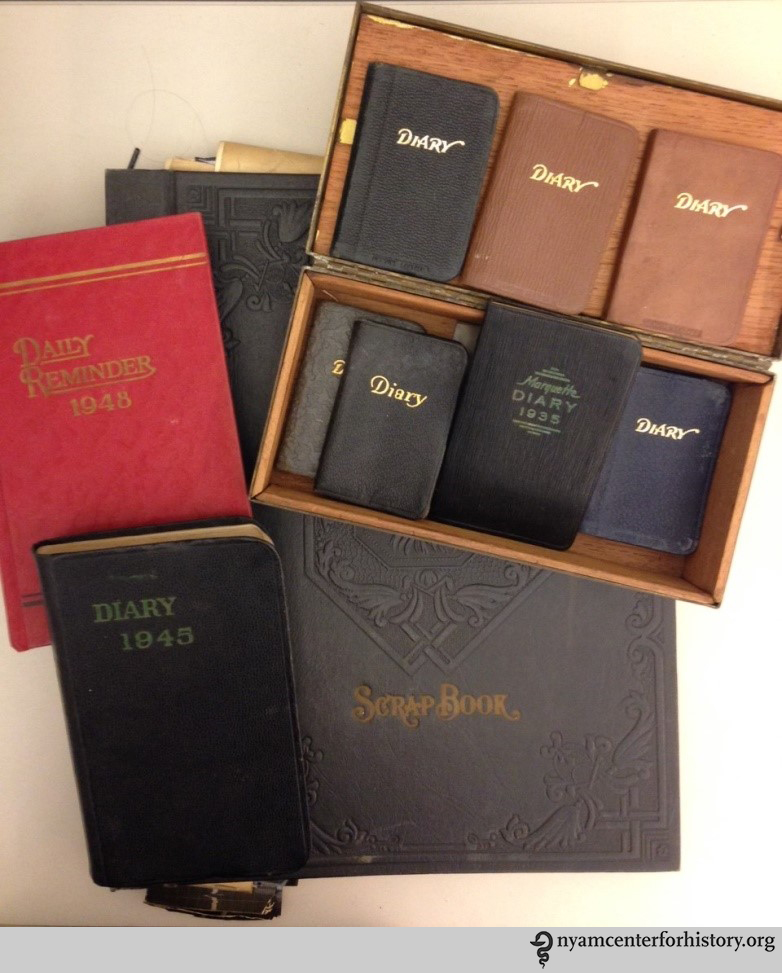
The Dr. Joseph R. Kuh papers, 1935–1994, also contain a great deal of personal correspondence, along with diaries and notes documenting Dr. Kuh’s service during World War II and the Korean War.

Dr. Kuh (1919–2012) was a certified internist and practiced privately from his Manhattan brownstone for many years. Of note in the personal correspondence is the reporting of historic events. A June 6, 1944 letter from Dr. Kuh’s father to both his sons reports the events of D-Day as experienced in the Kuh family apartment on West End Avenue. The letter tells of constant prayers being offered on the radio in addition to the news, and of the major department stores “Stern’s, Lord and Taylor, Franklin Simon” closing early. “Their windows bore a notice ‘Due to D Day, we felt that our customers as well as our employees would want to spend the day in prayer, and so we have closed for the remainder of the day.’” Other newsworthy events include Dr. Kuh’s first wife, Jean, a Barnard student, writing about the plane that crashed into the Empire State Building in July of 1945.

Diaries from the Kuh papers.

Diaries from the Kuh papers.

I also processed the Dr. Alfred Braun papers, 1898–1983. Dr. Braun was a native of Hungary, a Columbia University College of Physicians & Surgeons alumnus who specialized in otolaryngology, and a gifted painter. He was one of the founders and past officers of the NY Physicians Art Club. The collection includes scientific materials, a number of art awards, and correspondence with American businessman Armand Hammer, who appears to have been a friend.

Other personal collections include the Dr. Gustav Aufricht papers, 1922-1963. Dr. Aufricht (1894–1980) was a native of Budapest, Hungary and is considered one of the founding fathers of American Plastic Surgery. He treated wounded soldiers during World War I and studied with the leading practitioners in Europe before arriving in New York in 1923. I also processed the Dorothy Fahs-Beck papers, 1929–1954. Fahs-Beck (1906–2000) was a research statistician who received her doctorate from Columbia University in 1944. Her greatest impact was as an innovator in the areas of human services research and dental practice research. She established the Fahs-Beck Fund for Research and Experimentation in 1993.

The papers and records I had the good fortune to process are wide-ranging collections documenting the struggle to conquer diseases such as tuberculosis, polio, and rickets; record psychiatry and neurology as practiced in the early 20th century; chronicle the development and use of X-rays, vaccines, and antibiotics; record advances in diagnostic and surgical procedures; report evolving diet and nutritional issues for children throughout the mid-20th century; and document the beginnings of AIDS research in the early 1980s—all by organizations and individuals at the forefront of these issues. There is also enlightening correspondence and social ephemera from times long past, which help to complete the picture of a person or an era—even if it is just admiring the gift of a box of chocolates 120 years after the fact.

“She was in love with another man…” History, Heartbreak, and Hysteria in the Academy Archive (Part 1)

By Doris Straus, MSLIS, Pratt Institute, Fall 2015 Archives Intern

“She was in love with another man…” These were literally the first words that I read in a random case file from the Charles Loomis Dana papers of the early 1920s. Obviously this was going to be a collection that would be easy to get lost in.

Dr. Dana’s case files from 1919–1929 comprised the first collection of more than a dozen that I processed for the New York Academy of Medicine as an intern this fall. Here are highlights from about 10 of them, which offer an intriguing look into the history of medicine and society in the 19th and 20th centuries. Contact history@nyam.org if interested in using any of these collections. Please note, some of these collections are on deposit and have specific rules that govern their use. Finding aids to these collections will be available online in early 2016.

Dr. Charles Loomis Dana was born in 1852 in Woodstock, Vermont to an old and prominent New England family. He studied medicine in Washington, DC, and in New York, graduating from Columbia University College of Physicians & Surgeons in 1877. He went on to become a professor of physiology at Women’s Medical College and later of nervous and mental disorders at Cornell Medical College. Dana’s case files include individuals of all ages and from all walks of life—from countesses to schoolboys, stenographers, governors, and laborers. There are also many patients with on-the-job injuries whose examinations were requested by the Department of Labor for workmen’s compensation matters.

A case file from the Charles Loomis Dana papers. The patient name has been removed from the image for privacy.

A case file from the Charles Loomis Dana papers. The patient name has been removed from the image for privacy.

Dr. Dana often worked with Dr. Gladys G. Tallman, director of the psychological laboratory at the Neurological Institute of New York at Columbia University, and her detailed and thorough examinations of many patients are part of the files. The most common diagnosis for men seems to be paranoia and for women, depression, hysteria, and anxiety. Elderly men often suffered from depression as well. However, the range of diagnoses was actually quite wide and included tinnitus, insomnia, neuralgia, asthenia, vertigo, dementia praecox, encephalitis, drug addiction (most often morphine), “traumatic psychosis,” and “weak arches.” Patients came from not only the New York area but from all of the Eastern U.S. and some from as far away as Havana.

Like the range of Dr. Dana’s patients, the variety of subject matter and materials preserved in the collections that I processed is wide. What organizations or individuals choose to save and the way they organize and preserve these materials is fascinating and a big part of the appeal of archival work for me. The New York Pediatric Society records, 1930–2011, contain much of what one would expect to find in the records of a medical society. However, these papers, minutes, and correspondence also document the prevalence of tuberculosis in the 1930s. This documentation is followed by the development and use of the antibiotic streptomycin in the 1940s, and then, decades later, the first appearance of drug-resistant strains of tuberculosis as shown in the 1967 papers of the society and continuing with the rapid rise of those resistant strains into the 1980s. Papers on the polio epidemic of 1944 are also here, as is the evolving research regarding vaccines, diet, and nutrition for children.

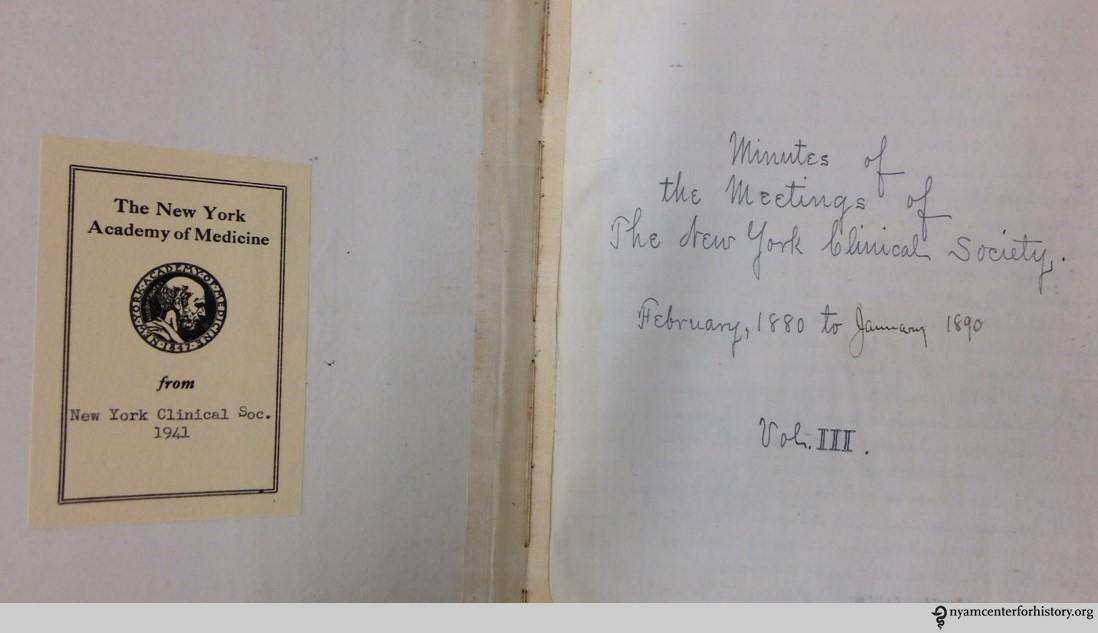
The New York Clinical Society records, 1877–2005, include bound manuscript records of its earliest minutes (1877–1912). At meetings, members offered presentations like the “case of a man with a curious form of venereal disease” and also an “opium habit” (February 22, 1878); a boy with protruding ears who was helped by surgery—“the result is admirable…the lad of 16 years had been subjected to so much mockery at school” (May 27, 1881). On March 25, 1904, “Dr. Gibson presented specimens of gall stones removed from a lady who had symptoms of intestinal obstruction” including “a gall stone about the size of an olive pit.” The minutes of May 27, 1910 document “a peculiar case of typhoid fever” which was “probably not typhoid but ‘New York Fever.’” By the 1980s one of the papers presented included “Orthopedic Aspects of Classical Ballet” and “In-Hospital Nutrition or How to Starve to Death in New York City”—a long way from the gallstone samples of 1904. On October 25, 1982 a paper, “Acquired Immunodeficiency,” was presented—“This recent and fascinating disease picture which has become so prominent in our N.Y. area.” Again, this collection offers primary-source documentation as the story of the epidemic unfolded.

During the 1980s the meetings of the society were held at the Century Club. The menus and wine labels from those occasions have been preserved as well.

"Minutes of the Meetings of the New York Clinical Society."

“Minutes of the Meetings of the New York Clinical Society.”

Other medical society collections that I processed include the New York Cardiological Society records, 1949–1995; the New York Gastroenterological Association records, 1915–1963, which included the reporting of a “surgical member of our group” attempting to “close up the multiple-perforated gut” of a racketeer who had been “badly shot up” in 1943; and the very well organized materials of the American Urological Association, New York Society—the only minutes I processed that were recorded by a stenographer and then transcribed and bound by a transcription service. An enthusiastic 1929 telegram in the collection describes what appears to be a diagnostic procedure for kidney stones: “results unbelievably beautiful.”

Read more about our archival highlights in Part 2 of the blog.

Uncooked Foods and How to Use Them: A History of the Raw Food Diet

By Danielle Aloia, Special Projects Librarian

There are endless diets, ways to prepare foods, and types of foods to eat in the world. One of these is the Raw Food Diet or Raw Foodism. While this may seem like a new age, trendy diet, it has been around for more than a hundred years. As defined in a 1923 American Raw Food, Health and Psychological Club publication, raw food has not “been subjected to the devastating heat of the flame and the consequent devitalizing changes which destroy its freshness and render it so much waste when taken into the human system.”1 Depending on whom you followed in the field, raw food diets could include eggs, milk, vegetables, fruit, and even meat.

Mr. & Mrs. Eugene Christian, authors of the 1904 book Uncooked Foods and How to Use Them, claimed to have cured all their stomach ailments with complete restoration to perfect health after following a raw food diet for a year. They held a seven-course banquet dinner in New York City to bring their theory to public attention—and it worked. They published this book after receiving many inquiries and hoped that it would emancipate women from the slavery of the cook stove and in turn allow her freedom to cultivate her higher faculties. (Not sure they met their goal there.)

The Christian’s dedication page from Uncooked Foods and How to Use Them, which they hoped would allow women to stop cooking by taking up a raw diet.

The Christian’s dedication page from Uncooked Foods and How to Use Them, which they hoped would allow women to stop cooking by taking up a raw diet.

The raw food diet’s most famous proponent was a Swiss nutritionist and physician Maximilian Bircher-Benner. He was also the creator of muesli and a contemporary of John Harvey Kellogg. The original muesli consisted of: “200 grams of apple (mashed) per helping with only a tablespoon of well soaked oats, some finely grated nuts for protein and fat, the juice of half a lemon and a tablespoon of sweetened condensed milk.”2 He believed that these foods contained all the energy the human body needed to sustain itself.

In Meyer-Renschhausen and Wirz’s 1999 article about Bircher-Benner they explained that:

“The core of Bircher-Benner’s therapeutic programme was his dietary plan, which promoted raw food and carbohydrates over cooked food and animal protein…He called this a revolutionary diet, and that it was because, first, it turned prevalent bourgeois culinary values upside down, and second it contradicted the medical thinking of the day, which stressed the value of animal protein above all else.”3

In his book, The Prevention of Incurable Disease, Bircher-Benner argued that faulty nutrition was the root cause of incurable diseases.4 He outlined the mistakes “civilised people” make in their diets. His three biggest arguments were: “Change in Quality of Food by Heat,” “The Excessive Consumption of Protein,” and “Disregard of the Foodstuffs as a Whole.” The following diet is included in his book:

From: Bircher-Benner, Max Oskar. The Prevention of Incurable Disease. London : John Miles; 1938.

From: Bircher-Benner, Max Oskar. The Prevention of Incurable Disease. London : John Miles; 1938.

Conservatively cooked vegetables are cooked at less than 145⁰ F. According to Stella McDermott, author of The Metaphysics of Raw Foods (1919), heating food at or above 145⁰ F destroys certain properties of plant life.5 When foods are heated, but not cooked, little, if any, chemical change takes place.6

In her book, McDermott includes this chart on the nutritive values of raw foods. She explains that the discovery of the vitamin revolutionized “man’s understanding of foods, and theory of diet. Heretofore the value of a food has been determined by its power to give heat and energy. Now it is being determined as essential or non-essential to man according to its richness in Vitamines.”7

From: McDermott, S. Metaphysics of Raw Foods. Kansas City, Mo. : Burton Pub. Co.; [c1919]. Click to enlarge.

From: McDermott, S. Metaphysics of Raw Foods. Kansas City, Mo. : Burton Pub. Co.; [c1919]. Click to enlarge.

Raw food diets may not have been the panacea for fixing incurable diseases or getting women out of the kitchen, but the benefits of including raw foods in your diet cannot be denied. Eating lots of fruits and vegetables lowers blood pressure (BP) and cholesterol levels. According to Chan et al., “Among commonly consumed individual raw vegetables, tomatoes, carrots, and scallions related significantly inversely to BP. Among commonly eaten cooked vegetables, tomatoes, peas, celery, and scallions related significantly inversely to BP.”8

A more recent study suggests that “consumption of a strict raw food diet lowers plasma total cholesterol and triglyceride concentrations, but also lowers serum HDL cholesterol and increases tHcy concentrations (a protein associated with heart attack, stroke and blood clots) due to vitamin B-12 deficiency.”9

While it is necessary to eat your fruits and veggies, it’s also advisable to have a well-rounded diet that includes all the essential nutrients that sustain the body.

References

1. Estes SL. Raw Food and Health. Chicago: American Raw Food, Health and Psychological Club; [c1923].

2. Meyer-Renschhausen E, Wirz A. Dietetics, health reform and social order: vegetarianism as a moral physiology. The example of Maximilian Bircher-Benner (1867-1939). Med Hist. 1999;43(3):323-341.

3. Ibid.

4. Bircher-Benner Max Oskar. The Prevention of Incurable Disease. London: John Miles; 1938.

5. Christian E., Christian MG. Uncooked Foods & How to Use Them; New York: The Health-culture company; 1904.

6. McDermott S. Metaphysics of Raw Foods, Kansas City, Mo.: Burton Pub. Co.; [c1919].

7. McDermott S. Metaphysics of Raw Foods, Kansas City, Mo.: Burton Pub. Co.; [c1919].

8. Geleijnse JM. Relation of raw and cooked vegetable consumption to blood pressure: the INTERMAP study. J Hum Hypertens. 2014;28(6):343-344. doi:10.1038/jhh.2014.13.

9. Koebnick C, Garcia AL, Dagnelie PC, et al. Long-term consumption of a raw food diet is associated with favorable serum LDL cholesterol and triglycerides but also with elevated plasma homocysteine and low serum HDL cholesterol in humans. J Nutr. 2005;135(10):2372-2378.

Building The Knick: New Hospitals of the Turn of the Century

By Paul Theerman, Associate Director, Library and Center for the History of Medicine and Public Health

“In mid-nineteenth-century America it was well understood that, aside from an occasional emergency, none but the truly indigent would voluntarily enter a hospital . . . . By the First World War all this had changed. Respectable Americans were beginning to find their way into hospitals—especially, but not exclusively, for surgery. . . . The hospital was being integrated into medical care as it already had been into medical education and the structuring of elite careers. Hospital budgets, physicians’ practice patterns, attitudes towards science, charity, and the prerogatives of class . . . interacted to transform the early twentieth-century hospital.”1

These factors—budgets, physicians, science, charity, and class—are all themes of The Knick, which focuses first on the hospital as a backdrop, then as an institution, and finally as a building. Part of the narrative arc in season two is the decision to build a new Knickerbocker Hospital uptown. This fictional plot point is in line with historical developments at the turn of the century.

For example, in the first decade of the 20th century, the new Mount Sinai Hospital could stand in for the uptown Knickerbocker. Founded in 1852 in west Midtown, Mount Sinai Hospital moved in 1872 to the East 60s, and then to its current location on Fifth Avenue at 100th Street in 1904, on the Upper East Side abutting Harlem. The city’s population moved north, and the hospital moved to follow the people, taking advantage of new buildings to advance hospital architecture generally. Under the guidance of one of America’s premier hospital administrators and builders, Dr. S. S. Goldwater, Mount Sinai developed state-of-the-art buildings to support modern, advanced medical care.2

Postcard showing Mount Sinai Hospital, 1910.

Postcard showing Mount Sinai Hospital, 1910.

Mount Sinai Hospital is only one example of a great wave of hospital building at the turn of the century, not only in the United States, but also in Western Europe. The change can be seen through books and journal articles promoting and hoping to guide the process. At one end of the scale in hospital building was Alfred Worcester’s Small Hospitals: Establishment and Maintenance (1894, 1905, 1909), which included Suggestions for Hospital Architecture, with Plans for a Small Hospital, by William Atkinson. Worcester had no compunction about calling this “The New Hospital Movement,” and linking it to professional nursing and surgical advances. The detailed hospital plans in this book provided for an institution of about 50 beds, with possible expansion to about 75.3

The other end of the scale can be seen in The Planning of a Modern Hospital, by Dr. Christian R. Holmes, chairman of the Board of Hospital Commissioners of Cincinnati, Ohio. In an address given at Teachers’ College of Columbia University in 1911 and published in 1917, Holmes discussed the new large urban hospital.4 He promoted the virtue of hospital architecture as a separate study and competency, giving three reasons: “Hospital construction differs from every other kind of building,” due to the ever-changing and progressive nature of medicine and sanitation, and thus requires “unusual care and foresight”; often “the men placed in charge . . . have not the slightest knowledge of the needs of a hospital”; and “the architect is often selected for reasons other than his knowledge.” Holmes supplied a typology of hospitals—pavilion, block, corridor, and composite—and then went into detail on planning a patient ward, including lighting, heating, ventilation, and bed placement and spacing, and including a room for clinical teaching.

Mount Sinai ward unit design. Figure 21 in The Planning of a Modern Hospital.

Mount Sinai ward unit design. Figure 21 in The Planning of a Modern Hospital.

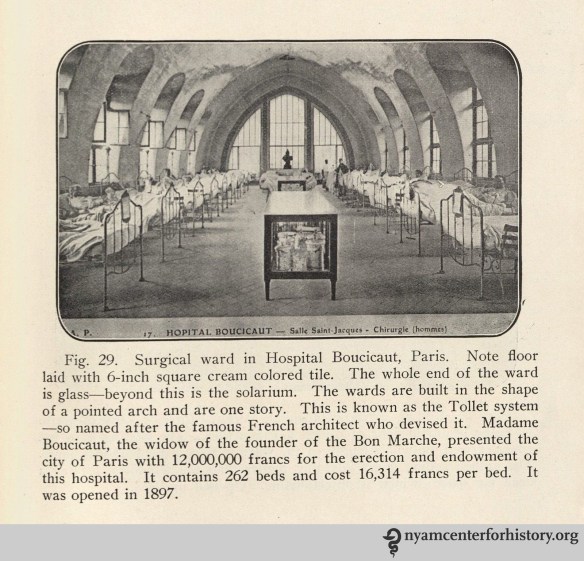
In addition to general wards, he also provided specific modifications for patients with contagious diseases; neurological conditions, including alcoholism; and venereal and dermatological diseases. He included operating theaters—a major reason for seeking a hospital at the time, and an important source of income. And he went into the specifications for all the supporting structures: kitchens, dining halls, and dormitories for staff, laundry, power plants, and of course, administration. Holmes illustrated his book with 74 photographs, elevations, and plans of large, well-known hospitals from around the United States and Western Europe. Given his background, many illustrations showed the Cincinnati General Hospital, completed in 1915, but he also included classic institutions such as the Rudolph Virchow Hospital, Berlin (completed 1906), New Royal Infirmary, Manchester (completed 1908), the Johns Hopkins Hospital, Baltimore (completed 1889), the Mount Sinai Hospital, New York (completed 1904), and Hôpital Boucicaut, Paris (completed 1897).5

Hospital Boucicaut. Figure 29 in The Planning of a Modern Hospital.

Hopital Boucicaut. Figure 29 in The Planning of a Modern Hospital.

The Knick touches on issues of its time as well as of ours. The New Hospital Movement was in ascendancy more than a hundred years ago, when the show is set. But who can deny that our own time has witnessed a new hospital movement, characterized by consolidation and closures, as institutions and their buildings adapt to the new financial, social, and medical worlds of the 21st century.

References

1. Charles Rosenberg, The Care of Strangers: The Rise of America’s Hospital System (New York: Basic Books, Inc., 1987), p. 237. See also Guenter B. Risse, Mending Bodies, Saving Souls: A History of Hospitals (New York and Oxford, Oxford University Press, 1999).

2. “Two Hospitals, Two Presidents,” chapter 9 of The First Hundred Years of the Mount Sinai Hospital of the City of New York, 1852–1952, by Joseph Hirsh and Beka Doherty (New York: Random House, 1952).

3. Alfred Worcester’s Small Hospitals: Establishment and Maintenance, with William Atkinson, Suggestions for Hospital Architecture, with Plans for a Small Hospital (New York: John Wiley and Sons, 1909), pp. 1, 3, 114.

4. Christian R. Holmes, The Planning of a Modern Hospital (Detroit: The National Hospital Record Publishing Company, [1917]).

5. Holmes, The Planning of a Modern Hospital, pp. 3–13, and figures 1, 22–24, 27, and 33–74, which refer to the Cincinnati General Hospital, and figures 2, 7, 16, 21, 29, 30, and 31, which refer to the other hospitals mentioned.