Coughing, Sneezing, or Spitting Will Not Be Permitted

By Johanna Goldberg, Information Services Librarian

As the United States experiences high flu activity, we thought we’d look back on the 1918 flu pandemic, which lead to the deaths of 50 million people worldwide, including nearly 675,000 people in the United States.1

The first case of the so-called Spanish Influenza in the United States originated at Boston’s Commonwealth Pier on August 28, 1918.2 On September 3, it landed in nearby Brockton, Mass., where the disease became widespread by the middle of the month.
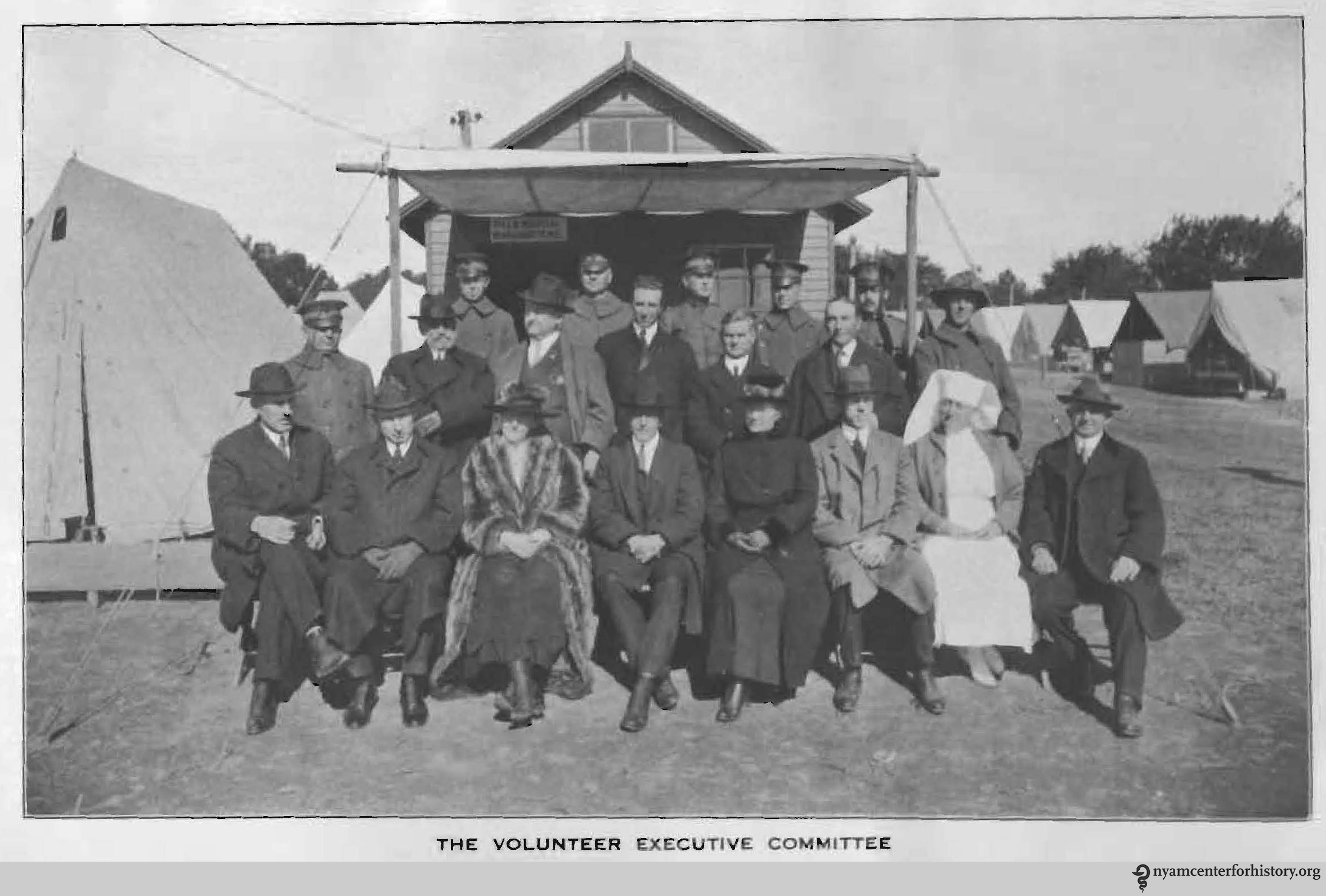
Brockton’s Volunteer Leaders

Ernest A. Burrill detailed the efforts of the city in Brockton’s Fight Against Influenza. One problem faced was a lack of food—sick parents could not cook for children, and residents were afraid to enter infected homes. A well-organized food department came to the rescue, preparing food at a community kitchen and delivering it to 388 sick people at its peak on October 10.2

Brockton officials established a field hospital to centralize medical staffing. “A tented city grew up over night,” and within days of its opening, patients moved from area hospitals to the tents. During its two weeks of operation, the field hospital treated more than 300 patients. The food department provided the makeshift hospital with “5 dozen ham sandwiches, 3 quarts chicken stew, 2 dozen cakes, 32 quarts of gruel, 27 quarts of broth, 35 quarts of milk, 9 loaves of bread, in addition to jellies, preserves, etc.”2

Brockton’s Field Hospital

The flu peaked in Chicago in mid-October. A month earlier, an ambitious public health campaign instructed residents to cover their mouths when sneezing and coughing.  In a 1918 report, Commissioner of Health John Dill Robertson wrote, “The danger of uncovered coughing and sneezing has probably been so thoroughly impressed upon the people of the City of Chicago that fruit will be borne from this source for years to come.”3 (Chicagoans, is this fruit still being borne?)

A poster from Chicago’s Public Health campaign, presumably released prior to the Health Department closing the theaters.

In Chicago as in much of the country, “places of amusement were closed” at the peak of the pandemic. “This included theaters of all kinds, cabarets, dance halls, athletic meets, and everything of this kind. People were advised to go home and to get nine hours of sleep, on the theory that rest was the best preventive medicine that could be had. In fact, by cutting out all these night assemblages there was no place for the people to go and they had to remain home.”3

In addition, Chicago and other cities banned public funerals. In Chicago, only 10 mourners, not including clergy, could attend for fear of spreading the disease from the family of the deceased and through contact with infected premises.

Chicago churches, schools, and workplaces remained open, although clergy were instructed to keep services short and officials closely monitored school conditions. “Nothing was done to interfere with the morale of the community,” wrote Dill.  The Health Department did require closing, thorough cleaning, and subsequent inspection of places of public assembly.3
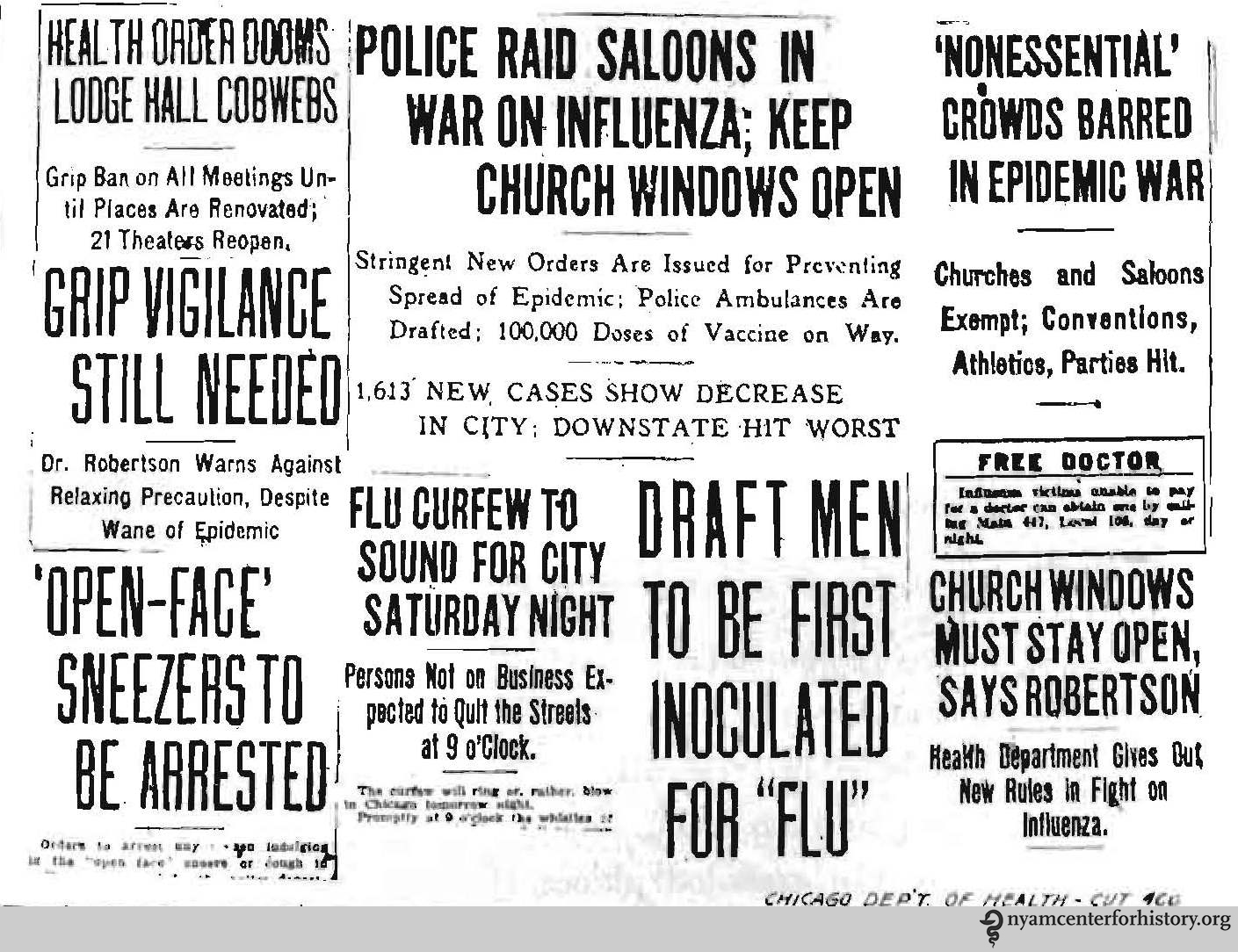
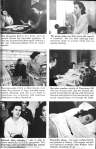
A selection of captions from Chicago newspapers.

Scientists had developed a vaccine for pneumonia, which often co-occurred with the flu in 1918, and health officials distributed 174,264 doses in Chicago once determining the severity of the pandemic.3  The Brockton report indicates that the New York City Health Department prepared a vaccine for the flu strain, but it was not yet available to them.2

While the current flu outbreak does not compare to the 1918 pandemic, we can learn from earlier experiences. Cover your mouth, do what you can to avoid contact with sick people, and be grateful that you can get vaccinated.

For more on the 1918 flu, visit http://www.flu.gov/pandemic/history/1918/

References

1. Flu.gov. (n.d.). Pandemic Flu History. Retrieved January 17, 2013, from http://www.flu.gov/pandemic/history/index.html#

2. Burrill, E. A. (1918). The story of Brockton’s fight against influenza. Brockton: Press of Nichols & Eldridge.

3. Robertson, J. D. (1918). A report on an epidemic of influenza in the city of Chicago in the fall of 1918. Chicago: Dept. of Health.
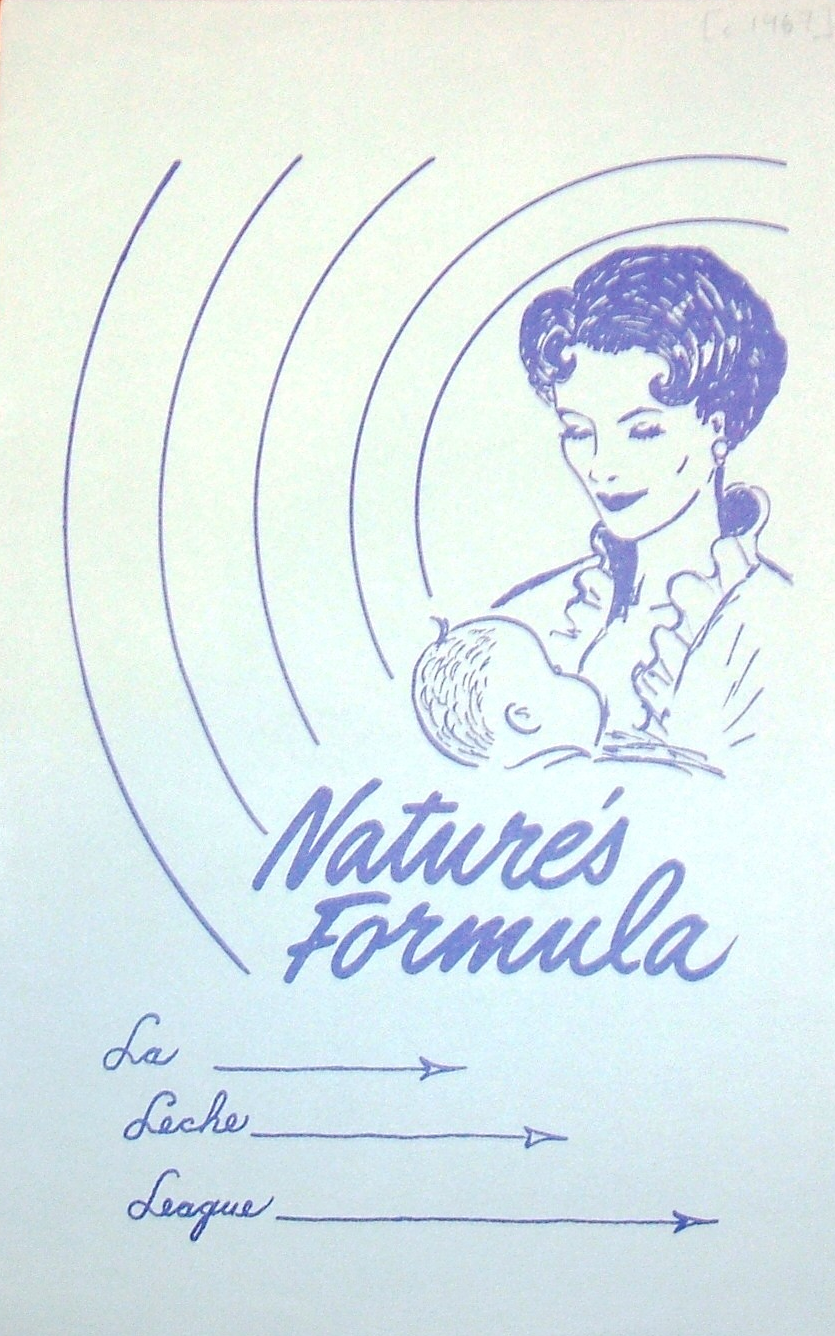

“Nature” and Motherhood

By Arlene Shaner, Acting Curator and Reference Librarian for Historical Collections

Image courtesy of Jessica Martucci.

Image courtesy of Jessica Martucci.

Our special mini-series issues related to environmental history, A World Not Quite Fatal: New Views on the History of Environmental Health, continues this Thursday, January 17, 2013, with a talk by Jessica Martucci from Mississippi State University about breastfeeding and fears of environmental contamination. Both human and animal studies from the mid-20th century suggested that toxins such as DDT might be concentrated in mother’s milk and could be transmitted to their babies. The La Leche League published a pamphlet called “DDT and Mother’s Milk” in 1972, encouraging mothers to continue to breastfeed their babies despite these concerns. Professor Martucci will look at how discussions surrounding the possible transmission of toxins through breastfeeding formed part of a larger conversation about both the “nature” of motherhood and infant feeding and a developing movement of environmental activism.

Jessica Martucci is an Assistant Professor in the History Department and Gender Studies Program and is associate member of the Center for the History of Agriculture, Science, and the Environment of the South at Mississippi State University. She received her B.A. in Biology and Environmental Studies at Oberlin College, and her M.A. and Ph.D. in the History and Sociology of Science at the University of Pennsylvania. She is currently finishing her first book project, Back to the Breast: Natural Motherhood and Breastfeeding in the 20th Century.

To register for this event, click here.

History Night: Seeking Submissions

RBR deskThe New York Academy of Medicine (NYAM) Section on the History of Medicine and Public Health is pleased to announce its Third Annual History Night to be held on April 8, 2013, 6:00 pm – 8:00 pm. The event will take place at NYAM located at 1216 Fifth Avenue at the corner of 103rd Street.

We are inviting all those interested in presenting to submit papers on topics in the history of medicine and public health for consideration. Papers submitted previously at other educational events are eligible for submission. The time allotted for those papers chosen for presentation will be 15 minutes, with an additional 3-5 minutes for Q & A.

A panel of members of the NYAM Section on the History of Medicine and Public Health will select the papers to be presented.

The submission deadline is February 1, 2013. Papers may be submitted electronically to Donna Fingerhut at dfingerhut@nyam.org. Questions may be directed to Donna at 212-419-3645.

Symbols in a Life of Psychic Tension

Gallery

This gallery contains 5 photos.

By Johanna Goldberg, Information Services Librarian Forget the articles: Advertisements can be the most interesting part of medical journals from decades past. The ads below, published in the American Journal of Obstetrics and Gynecology between 1940 and 1970, show how … Continue reading

Putting Asthma on the Map

By Arlene Shaner, Acting Curator and Reference Librarian for Historical Collections

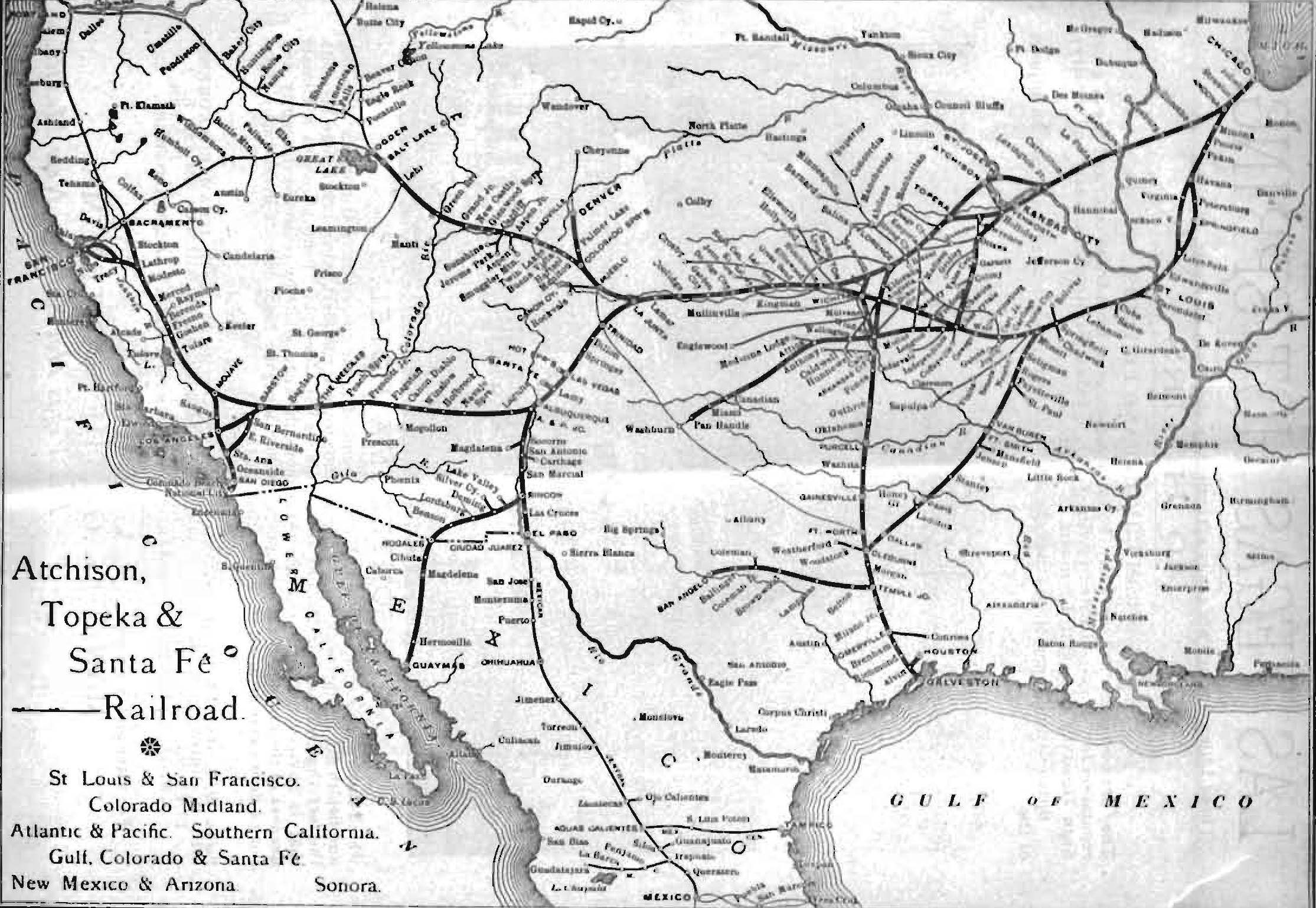
Southwest Map

Map from The South-west and New Mexico for phthisis, weak lungs, asthma, bronchitis, etc. Chicago: American Health Resort Association, 1891.

On Wednesday, December 12, 2012, Carla Keirns, MD, PhD, from the Stony Brook University School of Medicine will present this year’s John K. Lattimer Lecture, “Putting Asthma on the Map: Weather, Pollen, Pollution and the Geography of Risk.”

Dr Keirns will discuss how the patient’s environment has been central to the prevention and treatment of asthma since antiquity, and how, beginning in the 19th century, physicians learned to use measurements of humidity, sunlight and rainfall to predict places and seasons that would be safe for asthmatics. During the same period, indoor and outdoor risks such as pollen and dust began to mark regions and spaces as risky or dangerous, and led to efforts to escape attacks through travel or fortifying the home environment against triggers. Recent efforts to predict or create safe places have turned again to the outdoors, both through national regulation of air pollution and the efforts of minority communities and their academic and activist partners to document the disproportionate environmental risks faced by their members.

Register for the event here.

“Die Free”: Black Soldiers in the Civil War

By Lisa O’Sullivan, Director

Surgeon's Certificate for  Dick Parker Wills 1903

Surgeon’s Certificate for Dick Parker Wills 1903

More than 200,000 African men served in the Union Army’s United States Colored Troops during the Civil War. Among them were James Wills, Mack Wills, Dick (Wills) Parker, Andy Wills and Richard Wills, who fled the Tennessee plantation of Edmund Wills to join the 4th Heavy Field Artillery of Columbus, Kentucky.

In Die Free: A Heroic Family Tale acclaimed journalist Cheryl Wills explores the story of her great-great-great grandfather, Sandy Wills, and his companions. In unearthing her family history, she uncovers the discrepancies, disparities, and decisions “great and small, careless and deliberate” that impacted the treatment and care of black soldiers.

Black soldiers died from disease at a disproportionate rate to their white compatriots, and, as documented in Die Free, their higher burden of mortality continued after the end of the war. Evidence from medical records and surgeon’s certificates indicates that many black soldiers also struggled to have their conditions taken seriously and to be granted pensions.

We are delighted to be welcoming Cheryl Wills to the New York Academy of Medicine on December 10. She will appear in discussion with the renowned Lincoln scholar Harold Holzer, to explore the experiences of her family, and reflect on the ongoing legacy of the discrimination they suffered.

Discover more about Die Free here. In addition to their service as soldiers, African Americans also acted as nurses, surgeons and hospital workers during the Civil War. Some of these contributions are explored in Binding Wounds, Pushing Boundaries, an exhibition at the National Library of Medicine.

Voices from the AIDS Epidemic

By Johanna Goldberg, Information Services Librarian

State of Florida Department of Health and Rehabilitative Services, 1987.

State of Florida Department of Health and Rehabilitative Services, 1987.

Today, health care professionals can use multiple tests to detect HIV infection. Where available, drugs therapies allow people to live with HIV for many years before developing AIDS. Of course, this was not always the case. In commemoration of World AIDS Day on December 1, we are revisiting some of the voices published in the early years of the epidemic.

In 1982, 14 doctors presented their front-line experiences at an international symposium, the proceedings of which were published in book form the following year. Their frustration with their inability to successfully treat their young patients rings out clearly.

“Thirteen of 42 patients in our series have already died. Nationwide, half of the patients have died.” Half of their patients with “Pneumicystis carinii pneumonia (PCP) , the most common infection,” responded to the administered drug . “However, excluding three who are still being treated, only two patients who had PCP are presently alive, even though six recovered from their initial infection.” In the ten patients with Cytomegalovirus (CMV) infection, eight died. “Only one, a 22-year-old man with CMV pneumonia, has recovered.” As the authors go on to say, “treatment remains a knotty problem.”

At another symposium, also published in book form, Dr. Kevin M. Cahill, the senior member of the New York City Board of Health, applauded the efforts of individual doctors and nurses, in addition to the “superb work” of the Gay Men’s Health Crisis.  But he chastised the inaction of the “organized medical community.”

“When a fatal infection had struck down veterans attending an American Legion convention, health professionals across the country joined in the search for a solution. When women using tampons became ill with toxic shock syndrome, medical societies and research centers immediately focused their enormous talents on that problem. But when the victims were drug addicts and poor Haitian refugees and homosexual men, their plight did not, somehow, seem as significant to those expected to speak for the health professions. No major research programs were announced, and until it became clear that the disease could spread to the general population through blood transfusions, organized medicine seemed part of the conspiracy of silence.”

Where are we today? Even with so much knowledge about prevention, the CDC estimates that 50,000 people in the United States become newly infected with HIV each year; about 33,000 people receive AIDS diagnoses. In the United States, HIV incidence in people aged 13-29 rose 21 percent between 2006 and 2009.

Prevention education remains essential. Visit the CDC’s Act Against AIDS page or World AIDS Day’s website to find out more about current prevention and testing measures.

For a year-by-year timeline of the HIV/AIDS epidemic in the United States, visit AIDS.gov.

Sources:
Cahill, K. M. (1983). The AIDS epidemic.  New York: St. Martin’s Press.

Centers for Disease Control and Prevention. (2012). Basic Statistics. Retrieved November 28, 2012, from http://www.cdc.gov/hiv/topics/surveillance/basic.htm

Gold, J. W. M., Armstrong, D., Sears, C. L., Henry, S., Donnelly, H., Brown, A. E., …Wong, B.(1983). Acquired Immunodeficiency Syndrome: Infection and Neoplasia in Homosexual Men and Intravenous Drug Addicts. In C. S. F. Easmon & H. Gaya (Eds.), Second international symposium on infections in the immunocompromised host (pp. 105–113). London: Academic Press.

Skulls and Surgery

By Lisa O’Sullivan, Director

Row of plaster cast skulls

Plaster casts of skulls held in the NYAM Rare Book Reading Room, some showing signs of trepanation.

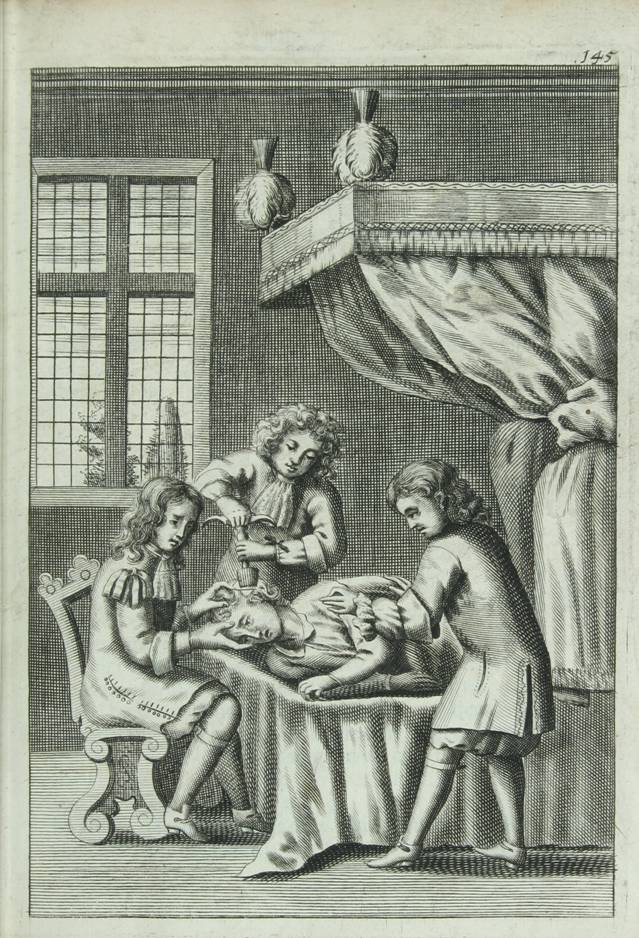
The practice of trepanning, or trepanation, which involved making a hole in the skull, is one of the oldest known surgical procedures. Skulls with holes have been found from the Neolithic period, and the technique continued to be practiced by cultures across the world. The surgeries relieved swelling of the brain and skulls showing bone regrowth indicate that the treatment was survived by many.  The reasoning behind such surgeries changed over place and time, and included questions of spiritual possession, convulsions, fractures and infections.

On Thursday, December 6, the fascinating history of such surgical procedures and the development of surgery, neuroanatomy and the other neurosciences will be explored by Dr. Eugene S. Flamm at the Augustus C. Long Health Sciences Library at the Columbia University Medical Center in a richly illustrated talk “Neurosurgery Before Neurosurgery.”

Image shows trepanning operation

John Browne, A Compleat Discourse of Wounds (London, 1678)

Dr. Flamm is the Jeffrey P. Bergstein Professor and Chairman of the Dept. of Neurosurgery at the Albert Einstein College of Medicine. He is an active researcher and clinician with in interest in cerebrovascular neurosurgery and spinal cord injury. Dr. Flamm is also an ardent book collector, the President of the Grolier Club, a NYAM Fellow and supporter and author of, among other works, From Skulls to Brains: 2500 Years of Neurosurgical Progress, which features many books from the NYAM collection.

More details about the event can be found here. Enquiries about From Skulls to Brains can be directed to NYAM at history@nyam.org.

Pox and Politics

By Rebecca Pou, Project Archvist

Arm with pustules

Edward Jenner. An Inquiry Into the Causes and Effects of the Variolæ Vaccinæ. London:1798.

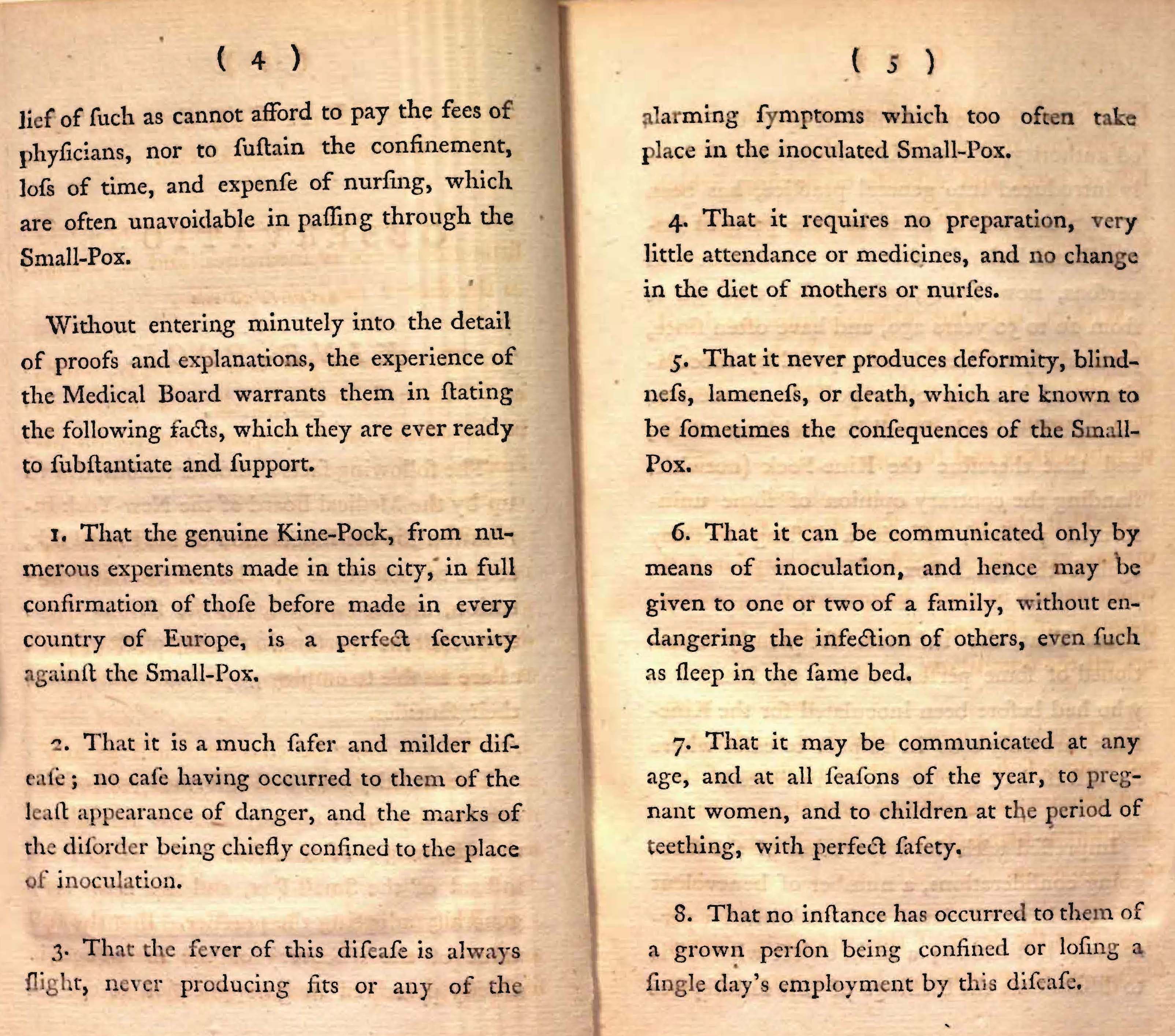
Edward Jenner’s An Inquiry Into the Causes and Effects of the Variolæ Vaccinæ was published in 1798 and organizations encouraging inoculation were quick to form. In 1802, the New York Institution for the Inoculation of the Kine-Pock was established. The Institution issued documents on the advantages of inoculation with cowpox and created a clinic, “a main object whereof is to disseminate the blessings of this disease, free of cost, to the indigent members of the community.”

image of text

New York Institution for the Inoculation of the Kine Pock. Facts and Observations Relative to the Kine-pock. New York: 1802.

Despite massive efforts, smallpox persisted well into the 20th century. It took global vaccination to eliminate the disease in 1977. The story of vaccination programs is as much a political one as a medical, around balancing public health with individual choice. We are pleased to be welcoming Michael Willrich, PhD, to NYAM on Nov 29 to explore the tensions between compulsory vaccination and civil liberties brought into sharp focus in the smallpox epidemics of the late 19th and early 20th centuries. The lecture is free and open to the public. Register here.

In Pursuit of Pure, White, and Deadly

We were lucky enough to have the “Candy Professor,” Samira Kawash, visit the library earlier this year. She generously wrote the following post for us about the book she used in her research.

Poster with text "Sweet delicious but deadly" and image of man eating ice cream cone surrounded by different foods containing sugar.

Anti-sugar poster. Courtesy of the National Library of Medicine.

A few years ago, we started hearing that our current epidemic of obesity might be due to the rapid increase in consumption of high fructose corn syrup (HFCS) since the 1970s. The sharp upturn in both overweight and HFCS certainly suggest some relation, but what is the cause? Some have pointed to the excess calories, others to excess sugar, and some believe it is actually the fructose in HFCS that makes it uniquely “obesegenic.” Are sugar calories, or fructose calories, somehow different from other kinds of calories? Increasingly, advocates of the “carbohydrate hypothesis” are saying, yes, it’s the carbs, or the sugars that are making us not only fat, but sick as well: blame diabetes, heart disease, arthritis, and allergies on too much sugar.

I’m writing a book about the social history of candy, so of course I’m interested in these attacks on sugar. And one thing I’ve learned is that these worries about refined sugar are not new. In particular, back in the 1970s there was a wave of “sugar-phobia” that produced a raft of popular anti-sugar literature like William Duffy’s Sugar Blues. Food historians who have studied this period emphasize one especially influential book by a British biochemist named John Yudkin that summarizes and interprets scientific evidence implicating sugar in a broad range of diseases. So I definitely wanted to get my hands on this book, published as Pure, White and Deadly in Britain in 1972 and as Sweet and Dangerous in the U.S. the next year.

For months, I have been searching high and low for this book. The libraries I normally use didn’t have it. Google tantalized me with a “snippet” but coyly withheld the digitized (and still copyrighted) text. Could I buy a copy? Amazon could only tell me that it’s out of print; nowhere did there seem to be a used volume for sale at any price. And it turns out I’m not the only one who is trying to get their hands on this book. Bookfinder.com’s “Bookfinder Report 2012: Out-of-print and in Demand” ranked Pure, White and Deadly as the 5th most sought after out-of-print book.

And then I found Pure, White and Deadly, in the catalog of the New York Academy of Medicine Library. An email and a subway ride later, the book was in my hands. I couldn’t have been more excited with this uncovered treasure, and I was so thankful for the welcome and assistance offered by the library staff.

I’ve since learned that the NYAM library has been pulling this book off the shelf quite frequently at the request of all sorts of researchers and scholars. I doubt whoever acquired this volume back in the 1970s could have predicted its resurgent interest nearly a half century later. Thanks to the NYAM library, I and many others have been able to read this fascinating and provocative book.

About the author: Samira Kawash’s book on the social history of candy in the United States, titled In Defense of Candy, will be published by Faber and Faber in Fall 2013.