Mother Eve’s Pudding Redux

Image

By Erin Albritton, Head of the Gladys Brooks Book & Paper Conservation Laboratory

Last month, we kicked off National Poetry Month by sharing a rhyming recipe for Eve’s Pudding from our manuscript collection. Although charming, the recipe lacked the level of specificity to which most modern cooks have become accustomed. To solve this problem, cooking teacher and food historian Steve Schmidt (who will be delivering NYAM’s Friends of the Rare Book Room lecture on May 23rd) was kind enough to send along the following adaptation, together with a recipe for Cold Sweet Sauce that is scrumptious when drizzled over the top:

For the pudding:
3/4 cup (3 ounces) fine dry bread crumbs, plus a handful for coating the basin or bowl
1/3 cup plus 1 tablespoon (3 ounces) sugar
1 Tbsp all-purpose flour
1 tsp grated or ground nutmeg
1/2 tsp ground cinnamon
1/2 tsp salt
3 medium (about 1 1/4 pounds) firm, dry apples, such as Golden Delicious
2/3 cup (3 ounces) currants
3 large eggs, beaten until light and frothy
6 Tbsp (3 ounces) unsalted butter, melted and cooled
1 Tbsp strained fresh lemon juice

For the Cold Sweet Sauce:
1 stick of butter
2/3 cup confectioners’ sugar
1-2 Tbsp of brandy or lemon juice
A pinch of nutmeg

Very generously grease a 5- to 6-cup heatproof bowl or pudding basin with butter or solid vegetable shortening. Sprinkle the inside of the bowl with a handful of dry bread crumbs, tilt the bowl in all directions until coated and then tap the excess crumbs out.

Mix the 3/4 cup crumbs, sugar, flour, nutmeg, cinnamon, and salt in a bowl. Peel the apples and grate on the shredding plate of a box grater down to the cores. Stir the apples and currants into the crumb mixture, then the beaten eggs, then the melted butter and lemon juice. Pack the mixture into the prepared bowl, cover tightly with foil, set an upside-down plate on top of the foil, and steam the pudding for 3 hours in sufficient simmering water to reach halfway up the sides of the bow

While the pudding is steaming, make sauce by melting butter and whisking in sugar, brandy and nutmeg. Remove the pudding from the pot and let rest 15 minutes before unmolding. Drizzle (or drench!) with sauce and enjoy.

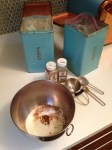
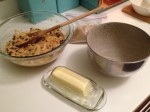
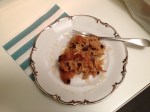
Below is a photo essay documenting one staff member’s kitchen adventure making this recipe (click to enlarge and open photo gallery). The next time you’ve got a couple of hours and find yourself craving a delicious dessert (with a bit of history), give Eve’s Pudding a try . . . you’ll be glad you did!

“Nature” and Motherhood

By Arlene Shaner, Acting Curator and Reference Librarian for Historical Collections

Image courtesy of Jessica Martucci.

Image courtesy of Jessica Martucci.

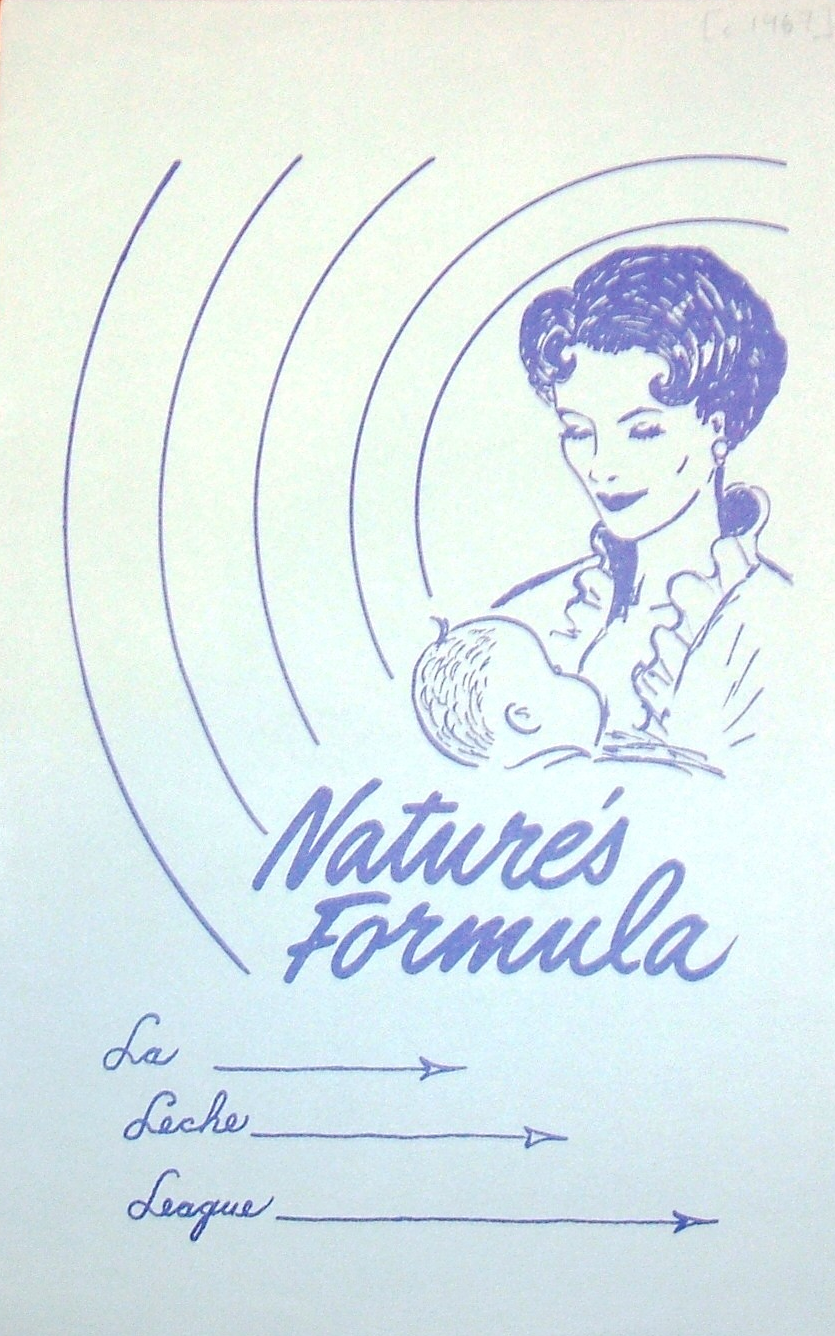
Our special mini-series issues related to environmental history, A World Not Quite Fatal: New Views on the History of Environmental Health, continues this Thursday, January 17, 2013, with a talk by Jessica Martucci from Mississippi State University about breastfeeding and fears of environmental contamination. Both human and animal studies from the mid-20th century suggested that toxins such as DDT might be concentrated in mother’s milk and could be transmitted to their babies. The La Leche League published a pamphlet called “DDT and Mother’s Milk” in 1972, encouraging mothers to continue to breastfeed their babies despite these concerns. Professor Martucci will look at how discussions surrounding the possible transmission of toxins through breastfeeding formed part of a larger conversation about both the “nature” of motherhood and infant feeding and a developing movement of environmental activism.

Jessica Martucci is an Assistant Professor in the History Department and Gender Studies Program and is associate member of the Center for the History of Agriculture, Science, and the Environment of the South at Mississippi State University. She received her B.A. in Biology and Environmental Studies at Oberlin College, and her M.A. and Ph.D. in the History and Sociology of Science at the University of Pennsylvania. She is currently finishing her first book project, Back to the Breast: Natural Motherhood and Breastfeeding in the 20th Century.

To register for this event, click here.

History Night: Seeking Submissions

RBR deskThe New York Academy of Medicine (NYAM) Section on the History of Medicine and Public Health is pleased to announce its Third Annual History Night to be held on April 8, 2013, 6:00 pm – 8:00 pm. The event will take place at NYAM located at 1216 Fifth Avenue at the corner of 103rd Street.

We are inviting all those interested in presenting to submit papers on topics in the history of medicine and public health for consideration. Papers submitted previously at other educational events are eligible for submission. The time allotted for those papers chosen for presentation will be 15 minutes, with an additional 3-5 minutes for Q & A.

A panel of members of the NYAM Section on the History of Medicine and Public Health will select the papers to be presented.

The submission deadline is February 1, 2013. Papers may be submitted electronically to Donna Fingerhut at dfingerhut@nyam.org. Questions may be directed to Donna at 212-419-3645.

Putting Asthma on the Map

By Arlene Shaner, Acting Curator and Reference Librarian for Historical Collections

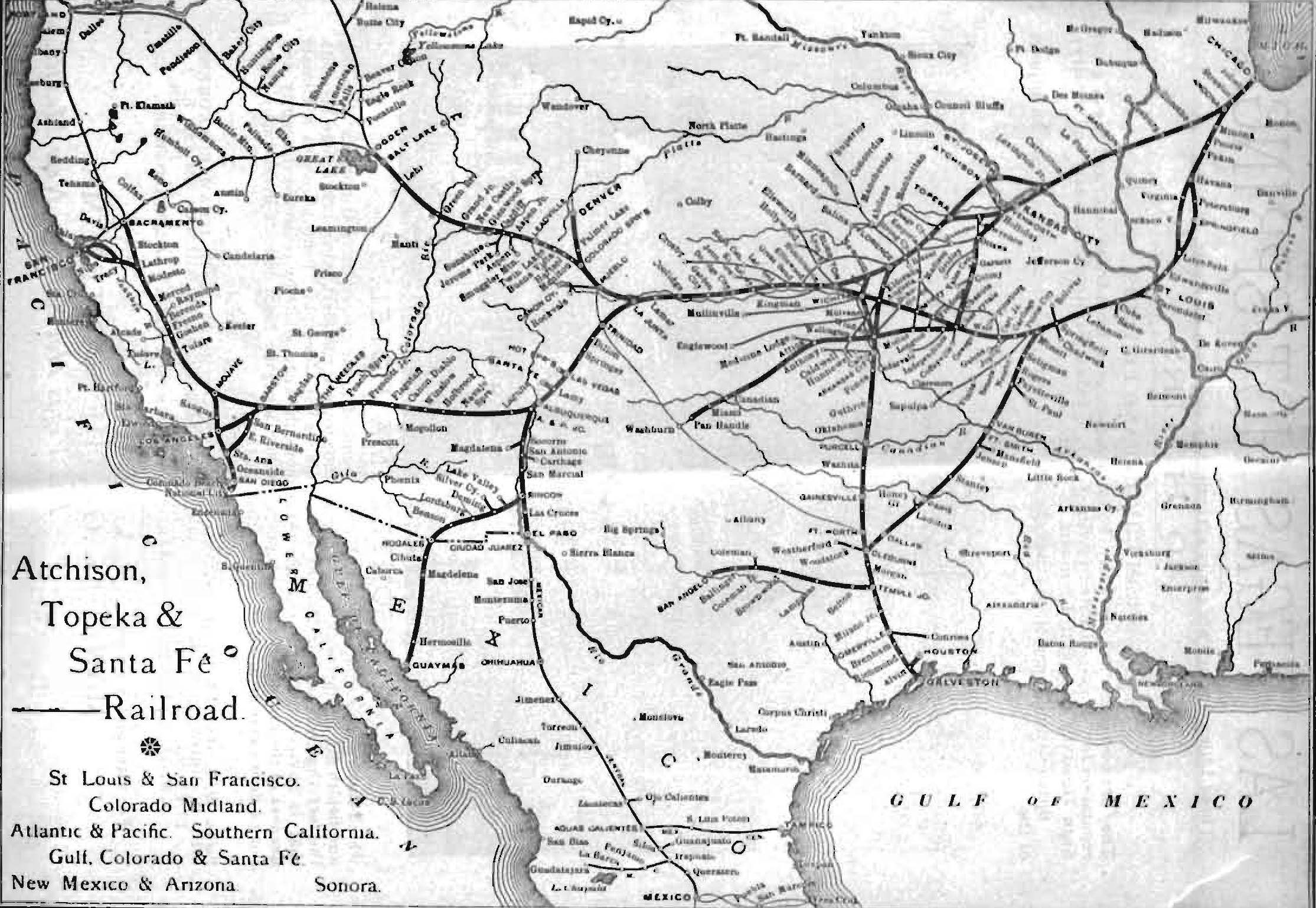
Southwest Map

Map from The South-west and New Mexico for phthisis, weak lungs, asthma, bronchitis, etc. Chicago: American Health Resort Association, 1891.

On Wednesday, December 12, 2012, Carla Keirns, MD, PhD, from the Stony Brook University School of Medicine will present this year’s John K. Lattimer Lecture, “Putting Asthma on the Map: Weather, Pollen, Pollution and the Geography of Risk.”

Dr Keirns will discuss how the patient’s environment has been central to the prevention and treatment of asthma since antiquity, and how, beginning in the 19th century, physicians learned to use measurements of humidity, sunlight and rainfall to predict places and seasons that would be safe for asthmatics. During the same period, indoor and outdoor risks such as pollen and dust began to mark regions and spaces as risky or dangerous, and led to efforts to escape attacks through travel or fortifying the home environment against triggers. Recent efforts to predict or create safe places have turned again to the outdoors, both through national regulation of air pollution and the efforts of minority communities and their academic and activist partners to document the disproportionate environmental risks faced by their members.

Register for the event here.

“Die Free”: Black Soldiers in the Civil War

By Lisa O’Sullivan, Director

Surgeon's Certificate for  Dick Parker Wills 1903

Surgeon’s Certificate for Dick Parker Wills 1903

More than 200,000 African men served in the Union Army’s United States Colored Troops during the Civil War. Among them were James Wills, Mack Wills, Dick (Wills) Parker, Andy Wills and Richard Wills, who fled the Tennessee plantation of Edmund Wills to join the 4th Heavy Field Artillery of Columbus, Kentucky.

In Die Free: A Heroic Family Tale acclaimed journalist Cheryl Wills explores the story of her great-great-great grandfather, Sandy Wills, and his companions. In unearthing her family history, she uncovers the discrepancies, disparities, and decisions “great and small, careless and deliberate” that impacted the treatment and care of black soldiers.

Black soldiers died from disease at a disproportionate rate to their white compatriots, and, as documented in Die Free, their higher burden of mortality continued after the end of the war. Evidence from medical records and surgeon’s certificates indicates that many black soldiers also struggled to have their conditions taken seriously and to be granted pensions.

We are delighted to be welcoming Cheryl Wills to the New York Academy of Medicine on December 10. She will appear in discussion with the renowned Lincoln scholar Harold Holzer, to explore the experiences of her family, and reflect on the ongoing legacy of the discrimination they suffered.

Discover more about Die Free here. In addition to their service as soldiers, African Americans also acted as nurses, surgeons and hospital workers during the Civil War. Some of these contributions are explored in Binding Wounds, Pushing Boundaries, an exhibition at the National Library of Medicine.

Skulls and Surgery

By Lisa O’Sullivan, Director

Row of plaster cast skulls

Plaster casts of skulls held in the NYAM Rare Book Reading Room, some showing signs of trepanation.

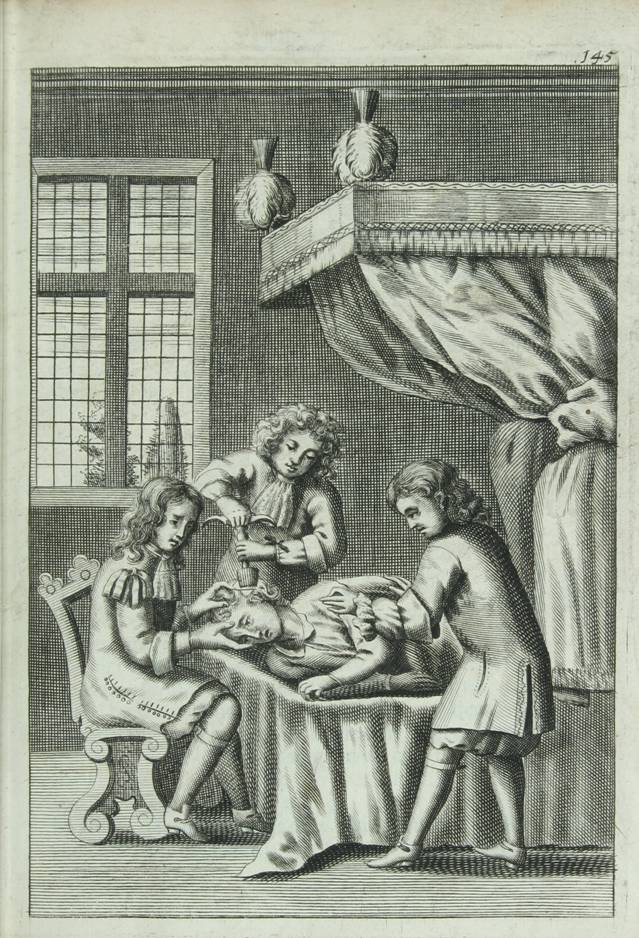
The practice of trepanning, or trepanation, which involved making a hole in the skull, is one of the oldest known surgical procedures. Skulls with holes have been found from the Neolithic period, and the technique continued to be practiced by cultures across the world. The surgeries relieved swelling of the brain and skulls showing bone regrowth indicate that the treatment was survived by many.  The reasoning behind such surgeries changed over place and time, and included questions of spiritual possession, convulsions, fractures and infections.

On Thursday, December 6, the fascinating history of such surgical procedures and the development of surgery, neuroanatomy and the other neurosciences will be explored by Dr. Eugene S. Flamm at the Augustus C. Long Health Sciences Library at the Columbia University Medical Center in a richly illustrated talk “Neurosurgery Before Neurosurgery.”

Image shows trepanning operation

John Browne, A Compleat Discourse of Wounds (London, 1678)

Dr. Flamm is the Jeffrey P. Bergstein Professor and Chairman of the Dept. of Neurosurgery at the Albert Einstein College of Medicine. He is an active researcher and clinician with in interest in cerebrovascular neurosurgery and spinal cord injury. Dr. Flamm is also an ardent book collector, the President of the Grolier Club, a NYAM Fellow and supporter and author of, among other works, From Skulls to Brains: 2500 Years of Neurosurgical Progress, which features many books from the NYAM collection.

More details about the event can be found here. Enquiries about From Skulls to Brains can be directed to NYAM at history@nyam.org.

Pox and Politics

By Rebecca Pou, Project Archvist

Arm with pustules

Edward Jenner. An Inquiry Into the Causes and Effects of the Variolæ Vaccinæ. London:1798.

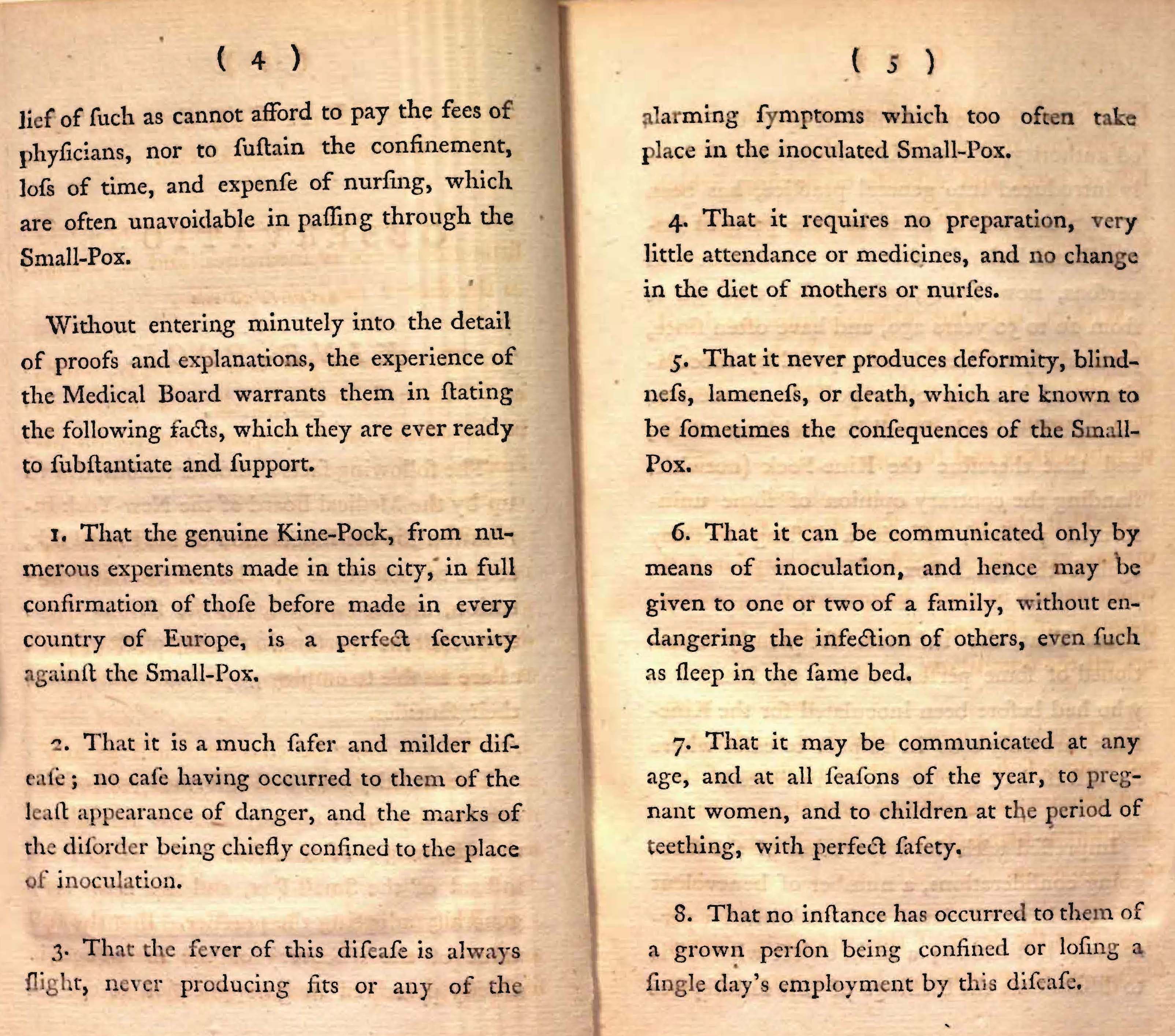
Edward Jenner’s An Inquiry Into the Causes and Effects of the Variolæ Vaccinæ was published in 1798 and organizations encouraging inoculation were quick to form. In 1802, the New York Institution for the Inoculation of the Kine-Pock was established. The Institution issued documents on the advantages of inoculation with cowpox and created a clinic, “a main object whereof is to disseminate the blessings of this disease, free of cost, to the indigent members of the community.”

image of text

New York Institution for the Inoculation of the Kine Pock. Facts and Observations Relative to the Kine-pock. New York: 1802.

Despite massive efforts, smallpox persisted well into the 20th century. It took global vaccination to eliminate the disease in 1977. The story of vaccination programs is as much a political one as a medical, around balancing public health with individual choice. We are pleased to be welcoming Michael Willrich, PhD, to NYAM on Nov 29 to explore the tensions between compulsory vaccination and civil liberties brought into sharp focus in the smallpox epidemics of the late 19th and early 20th centuries. The lecture is free and open to the public. Register here.

Mirroring Medicine: Of Mice and Men

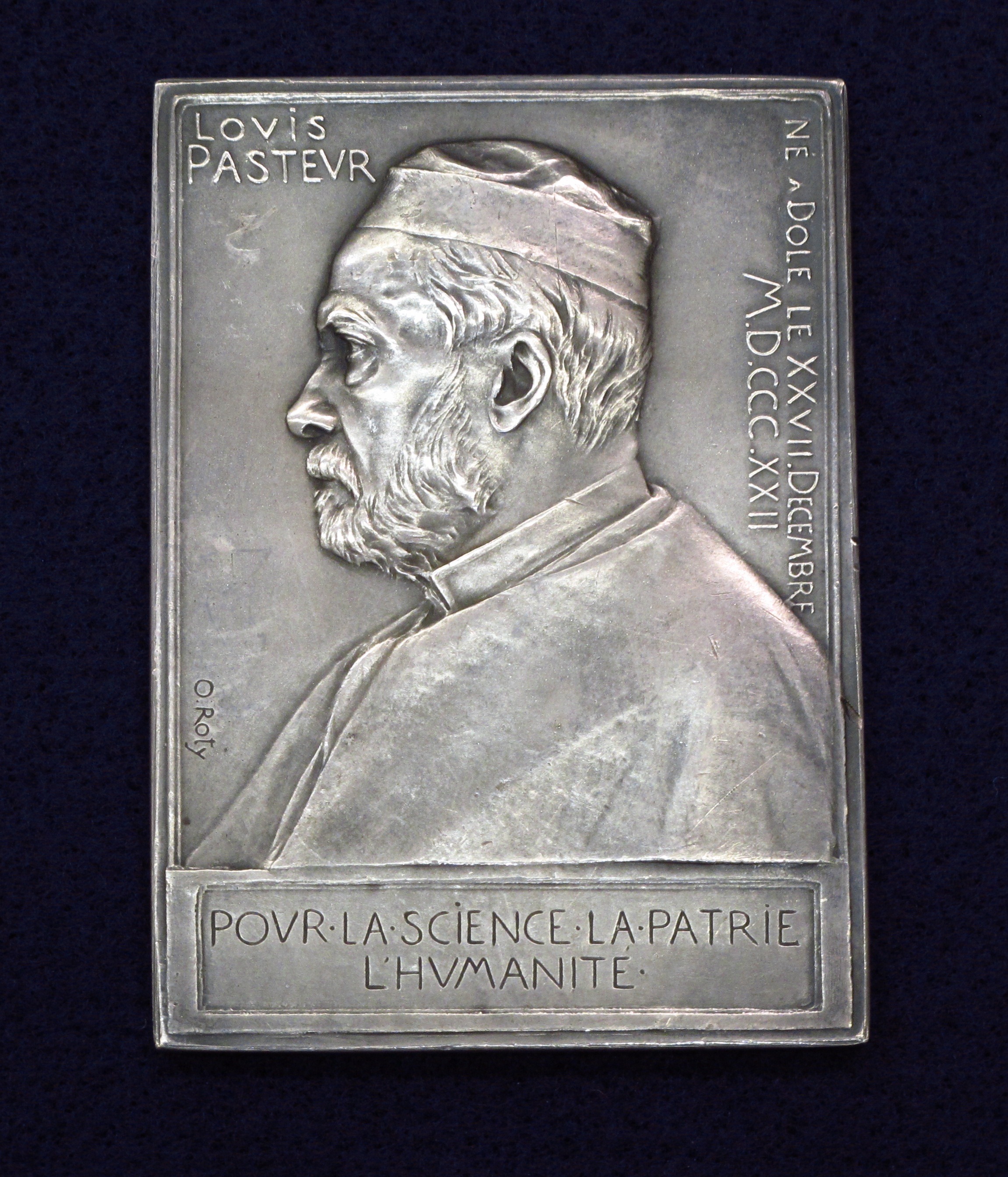
Medal issued to commemorate Louis Pasteur’s 70th birthday, 1892.

Medal issued to commemorate Louis Pasteur’s 70th birthday, 1892.

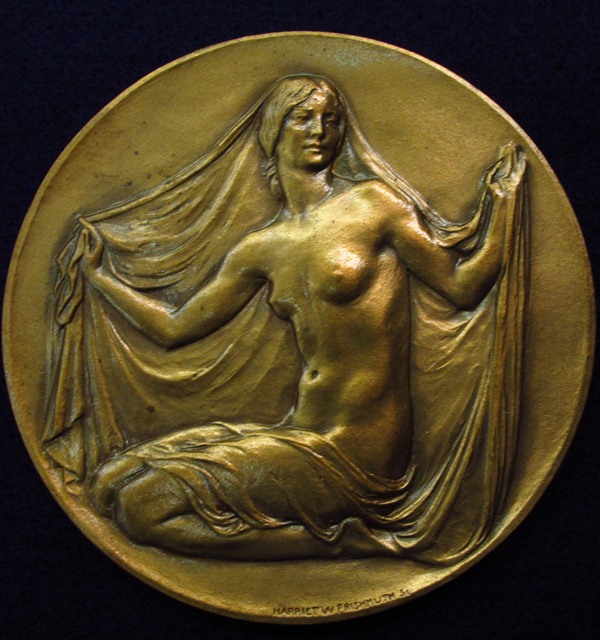
Medals, amulets, badges and prizes play many roles, whether acknowledging significant figures in their fields, commemorating events, or giving insights into beliefs about health. Over 275 medical-themed items from the collection of Dr. Ira Rezak, currently on display at the Augustus C. Long Health Sciences Library at the Columbia University Medical Center, provide a rich and varied exploration of these roles. The objects in the exhibit range from a 70th birthday medal for Louis Pasteur (1892) to a 16th century German amulet used to ward off the bubonic plague, a Canadian medal from 1994 celebrating the role of white mice in medical science, and the New York Academy of Medicine medal by Harriet Whitney Frishmuth, among many other medals representing medicine in New York.

Round medal with female figure, for New York Academy of Medicine.

Medal of the New York Academy of Medicine, 1928, by Harriet Whitney Frishmuth.

The exhibition, Mirroring Medicine, is drawn from Dr. Rezak’s medal collection, formed over 50 years, and one of the most important in private hands. Dr. Rezak is a NYAM Fellow and Professor Emeritus of Medicine at the State University of New York at Stony Brook. The exhibition is on view until January 11, 2013 and is open from 7am to 9pm on Lower Level 2 of the Columbia University Medical Center’s Hammer Health Sciences Center. Individuals without Columbia University or New York-Presbyterian Hospital identification should make arrangements to visit the show by emailing hslarchives@columbia.edu.

Food Tips from the Fairies

By Rebecca Pou, Project Archivist

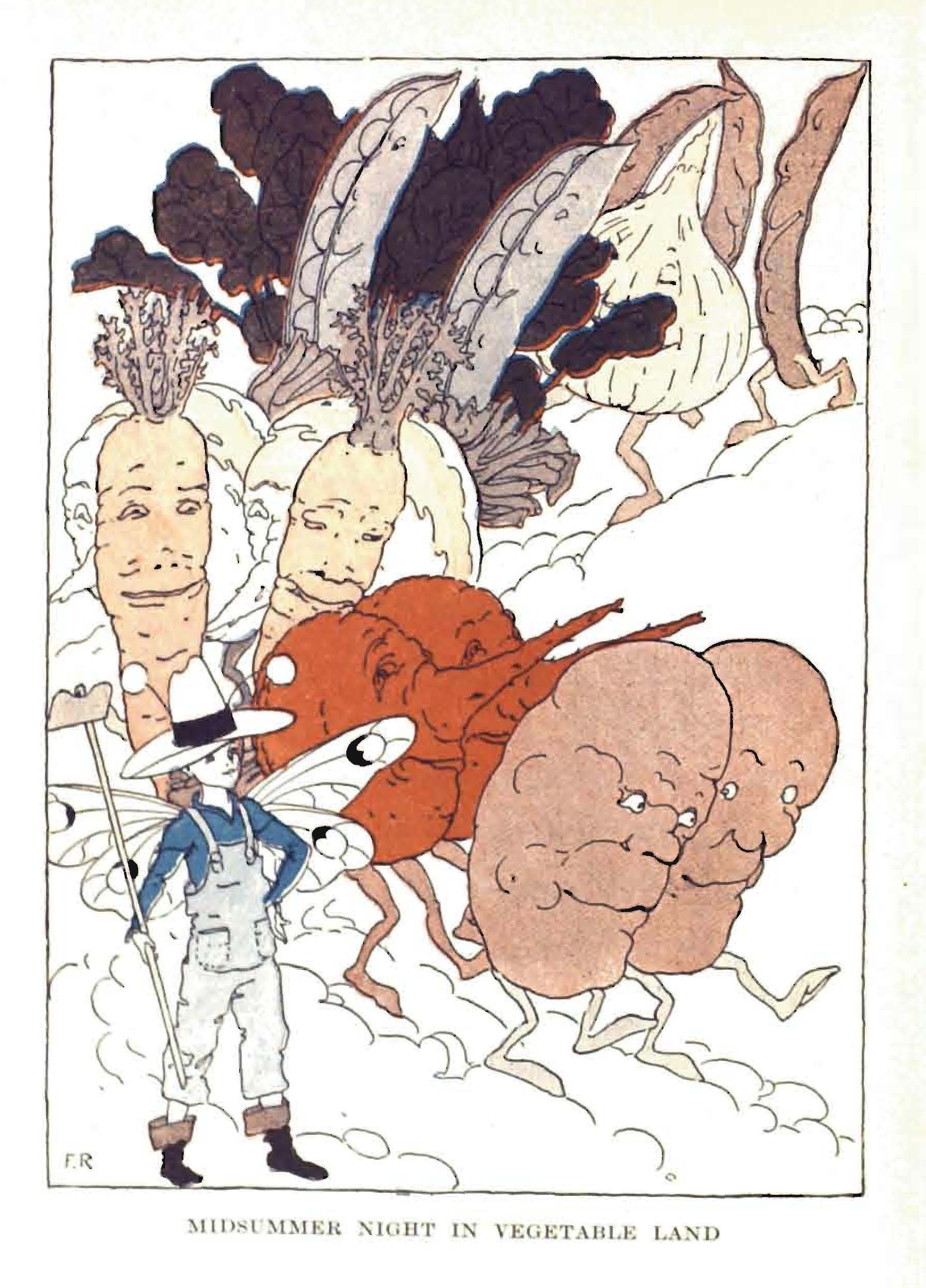
Pairs of vegetables (potatoes, beets, carrots, etc.) marching down a path with a fairyToday we are celebrating Food Day, “a nationwide celebration and movement toward more healthy, affordable, and sustainable food.” Concerns about good food, and encouraging children to enjoy it, are nothing new. In 1921, Dr. Beatrice Slayton Herben’s Jack O’Health and Peg O’Joy: A Fairy Tale for Children included jingles written by students of Public School 15 in New York City such as:

“Sing a song of coffee, rich foods and cakes,
these will make sick children with bad stomach-aches
Sing a song of clean milk, butter, fruit and bread,
these will make strong children with their cheeks all red”

In the story, a succession of health-conscious fairies teach Jack and Peg to follow good health habits throughout the day. They learn to brush their teeth, comb their hair, drink plenty of water, get a good night’s rest, and, of course, eat nutritious food.

When Peg despairs at the thought of a life without cake, the eat-clean-food fairies reassure her that she may have cake after eating fruits and vegetables, but “be careful not to eat too much.” In fact, the fairies tell her, even the fairy queen eats a special cake, made from mist and decorated with stars, which is made just once a year.

Fairies bringing cake to fairy queen

The foods promoted in the book include fresh fruits, carrots, potatoes, spinach, and lima bean soup —all nutrient-dense foods that support health, in line with Food Day’s recommendations.

Many of the lessons in Jack O’Health and Peg O’Joy, are featured in today’s Food Day celebrations. Beyond promoting a healthy diet, Food Day also calls attention to the broader context of food production, such as the environmental impact of farming and food and farm workers’ rights. Learn more about Food Day’s priorities here.

To celebrate Food Day, NYAM, Mt. Sinai, and El Museo del Barrio have organized a Healthy Food Walking tour, highlighting a number of establishments in our neighborhood. These include: Lane Farmer’s Market, Pure Food, Champignon Cafe, Mt. Sinai Greenmarket, El Aquila, El Paso Restaurant, and East Harlem Cafe. The next time you are at NYAM or in the neighborhood, visit these businesses for a healthy bite. The eat-clean-food fairies would be proud.

Mad Cows and Caricatures

By Lisa O’Sullivan, Director

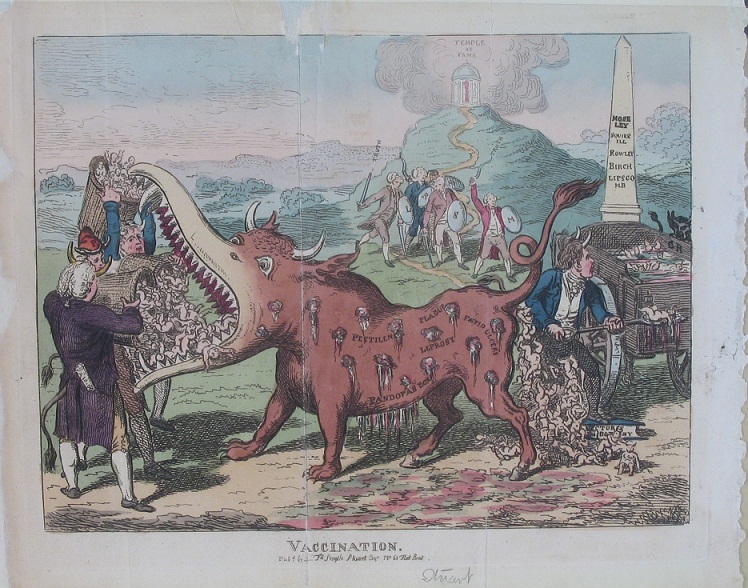
Image of monster being fed infants and excreting them with horns.

Charles Williams caricature c.1802.

This early anti-vaccination caricature shows a monster being fed baskets of infants and excreting them with horns. In the background, four prominent anti-vaccine campaigners, Benjamin Moseley, Robert Squirrell, William Woodville and William Rowley, approach with “swords of truth”. This unusual colored version of the print was originally bound as a frontispiece to the 3rd edition of William Rowley’s 1805 Cow-pox inoculation no security against small-pox infection: with above 500 proofs of failure. One of Rowley’s “above 500 proofs of failure” was the case of a boy whose face, Rowley claimed, was assuming the character of a cow.

Vaccination Williams detail

Horned baby

Next week we look forward to welcoming Mark Largent to explore more recent controversies about childhood vaccination as part of our history of medicine series. Register for this free October 17 event here.